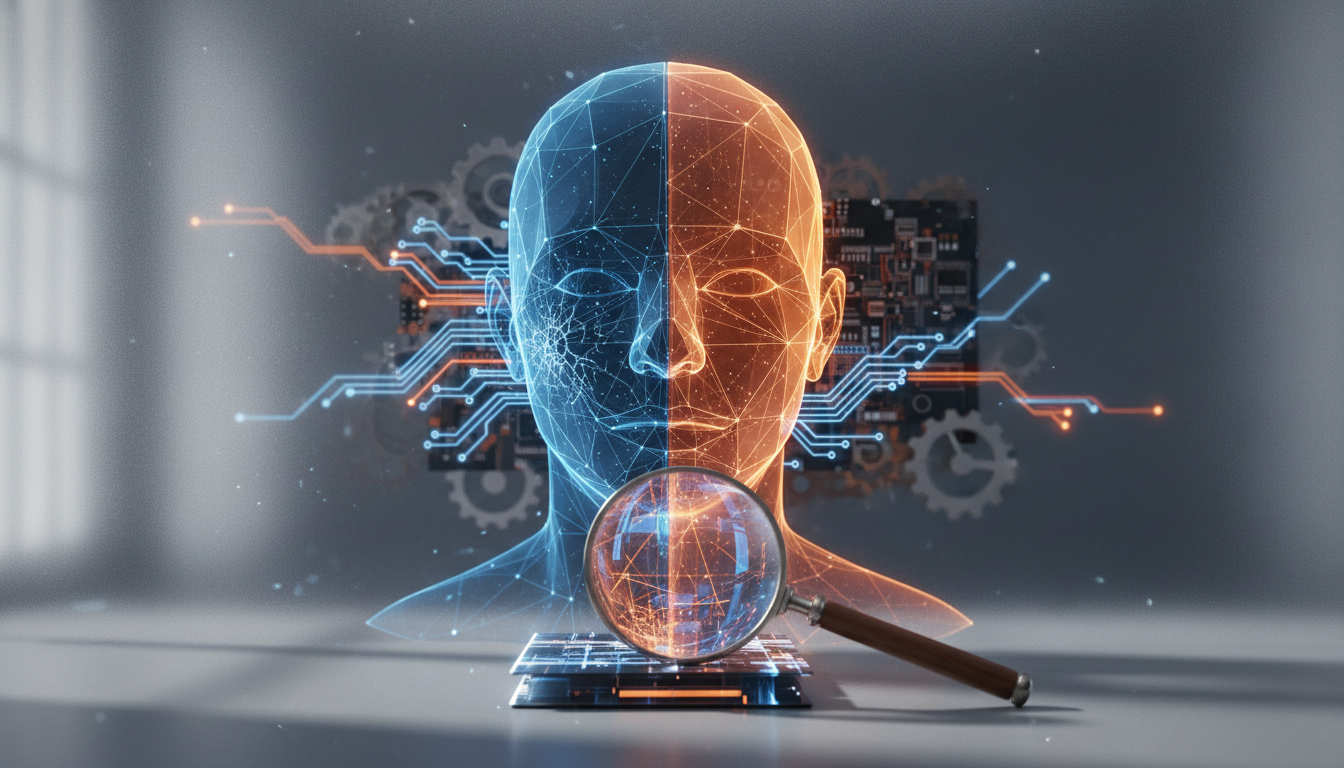

As we step into 2026, the rapid evolution of large language models (LLMs) like those powering conversational AI and content generation continues to reshape the AI landscape. From assisting in medical diagnostics to fueling creative endeavors, LLMs represent a pinnacle of machine learning innovation. However, as a professional in the AI field, I must voice my opinion: while LLMs offer unprecedented opportunities, their unchecked deployment risks amplifying ethical dilemmas that could undermine societal trust in AI technology. This piece explores my balanced view on navigating these challenges without stifling progress.
The Transformative Power of LLMs in Machine Learning
At their core, LLMs are sophisticated neural networks trained on vast datasets, enabling them to generate human-like text and solve complex problems. In my experience, these models have democratized access to advanced AI tools. For instance, educators use them to create personalized learning experiences, while businesses leverage them for efficient data analysis. This isn’t just hype; studies from 2025 show that LLMs have boosted productivity in sectors like healthcare and finance by up to 30%. As someone who’s worked closely with these technologies, I believe their ability to process and synthesize information at scale is a testament to the strides in machine learning.
Yet, this power comes with responsibilities. LLMs don’t operate in a vacuum; they learn from the data we feed them, which often includes biases present in human society. In my opinion, the real strength of LLMs lies in their potential for good, but only if developers prioritize ethical frameworks from the outset. For example, recent updates to open-source neural networks have incorporated bias detection algorithms, a step I applaud as essential for fostering inclusivity.
Navigating the Risks: My Concerns with AI Ethics in LLMs
Despite their benefits, I can’t ignore the shadows cast by LLMs. One major risk is the potential for misuse, such as generating deepfakes or spreading misinformation. In 2026, with elections looming in several countries, I’m particularly worried about how these models could be exploited to manipulate public opinion. This isn’t alarmism; it’s a grounded opinion based on observed trends in AI industry news, where reports of LLM-generated content influencing social media have surged.
Another ethical quandary revolves around data privacy. LLMs require enormous datasets to function effectively, often pulling from user interactions. From my perspective, this raises questions about consent and ownership. Should users have more control over how their data trains these models? I argue yes, and it’s time for the AI community to push for standardized regulations that protect individuals without hindering innovation. Unlike blanket bans, which I view as counterproductive, targeted guidelines could ensure that neural networks evolve responsibly.
- Pros of LLMs: Enhanced efficiency in tasks, accessibility for non-experts, and groundbreaking applications in research.
- Cons: Risk of bias amplification, potential for ethical breaches, and dependency that could lead to job displacement in creative fields.
- Opportunities for mitigation: Implementing robust auditing processes, promoting transparency in training data, and fostering interdisciplinary collaboration between AI experts and ethicists.
In my opinion, the debate often pits innovation against safety, but this is a false dichotomy. We can - and must - pursue both. For instance, companies like OpenAI and Google have started integrating ethical AI certifications, a move I support as it encourages accountability without slowing down development.
A Call for Balanced Innovation: My Vision for the Future
Looking ahead, I envision a future where LLMs are not just tools for efficiency but pillars of ethical AI practice. As an advocate for responsible machine learning, I believe we need to invest in education and research that addresses these risks head-on. Governments and tech leaders should collaborate on global standards, perhaps through initiatives like the AI Safety Summit, to ensure that neural networks are deployed with safeguards in place.
Critics might argue that over-regulating LLMs could stifle creativity, but I counter that with evidence from 2025 pilots in the EU, where ethical guidelines led to more trustworthy AI systems without significant delays. In my view, this balance is achievable through iterative testing and community feedback loops, allowing models to improve while minimizing harm.
Ultimately, the AI industry’s growth depends on public trust. If we fail to address these ethical concerns, we risk a backlash that could set back progress in machine learning for years. I’m optimistic, though; by prioritizing ethics in LLMs, we can harness their full potential for a better world.
Conclusion: Embracing Ethical AI for Sustainable Advancement
In conclusion, my opinion on LLMs is clear: they are a double-edged sword that demands careful handling. The benefits in machine learning and neural networks are undeniable, but so are the risks to AI ethics. As we move forward in 2026, let’s commit to a path of balanced innovation - one that celebrates AI’s capabilities while safeguarding against its pitfalls. Only then can we ensure that artificial intelligence serves humanity responsibly.