
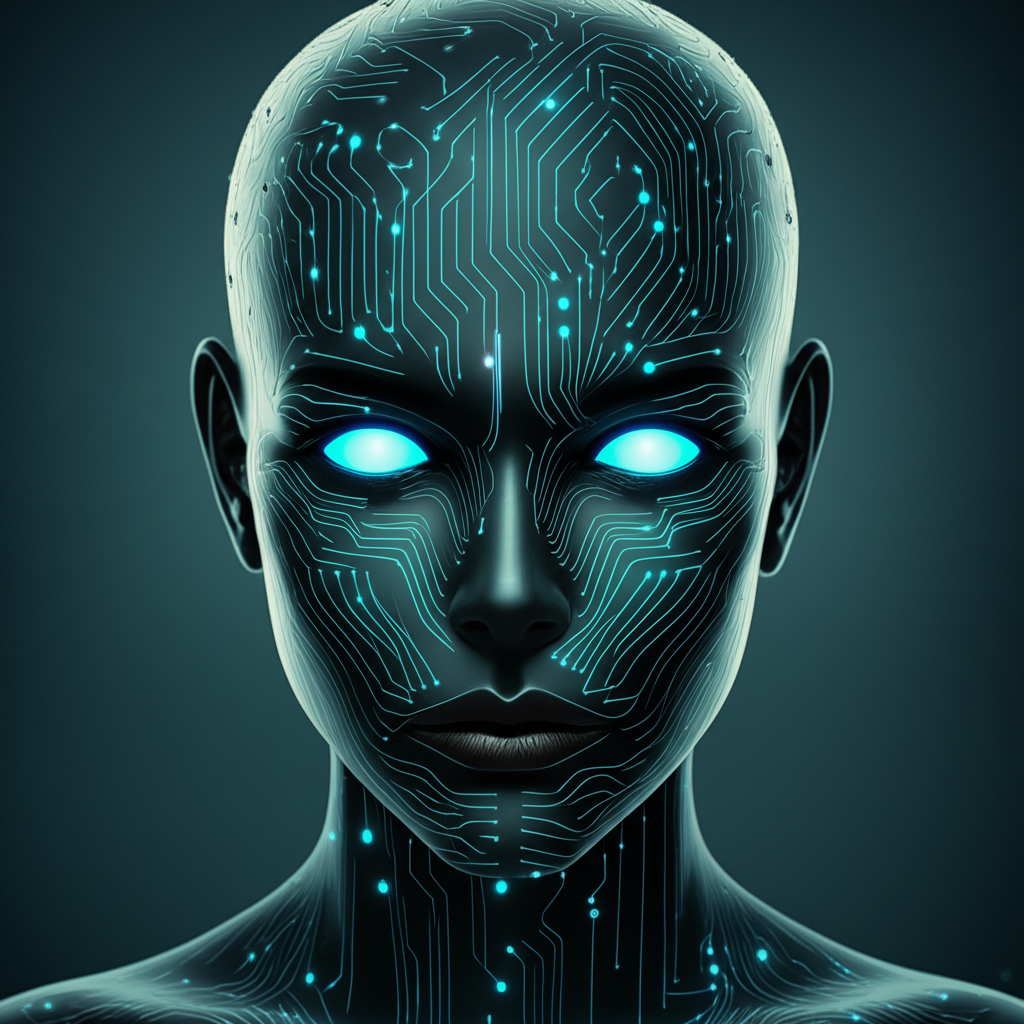
By 2026, artificial intelligence has woven itself into nearly every part of daily life. But with its rise, mental health professionals are seeing a new, troubling problem: A.I. delusions. This condition describes a distortion of reality linked to frequent or emotionally charged interactions with A.I. systems. Following a recent New York Times feature, AiSourceNews.com spoke with psychologists and technology specialists to clarify how A.I. delusions develop, why they're increasing, and why treating them is so challenging.
What Are A.I. Delusions?
A.I. delusions can take several forms, but most stem from a confusion between human and machine behavior. Some people begin to believe their virtual assistants or chatbots truly understand them, sometimes forming intense emotional attachments or even believing these programs are sentient. Others become suspicious, convinced that A.I. systems are monitoring them or manipulating their decisions through targeted ads and personalized recommendations.
Dr. Emily Harper, a clinical psychologist with expertise in technology-related disorders, describes the trend: “We’re seeing patients who spend so much time with A.I. companions that they start to lose track of what’s real and what’s programmed. This can lead not only to social withdrawal but also, in more extreme cases, to persistent false beliefs.”
The Scale of the Problem in 2026
Reliable statistics are still emerging, but early data shows that A.I. delusions are no longer rare. A 2025 American Psychological Association survey found that 8% of U.S. adults reported feeling an unhealthy attachment to A.I. tools, and about 3% showed actual delusional symptoms related to these technologies. Since A.I. adoption has only grown in 2026, mental health professionals believe those numbers are higher now - though precise figures are hard to pin down.
On a global scale, the numbers are even more striking. Statista reports that more than 4.5 billion people worldwide use A.I.-powered applications each day, from voice assistants like Siri to advanced generative models that help with writing and art. Even if only a fraction of these users develop psychological side effects, that still means millions may be affected by A.I. delusions in some form.
Challenges in Treating A.I. Delusions
Treating A.I. delusions isn’t as straightforward as addressing older forms of delusional disorder. The difference is that the source of the problem - A.I. tools and platforms - is everywhere, making it hard for patients to avoid triggers.
Rebuilding Human Connection
Therapists often focus on helping patients reconnect with real people. Dr. Harper explains, “Many of our patients have replaced friendships or even family interactions with A.I. chatbots. Therapy usually starts with simple steps: practicing social skills, attending group sessions, or reconnecting with relatives.” The process is slow, especially for those who have relied on A.I. for years.
Digital Detox Dilemmas
Some clinicians suggest a digital detox, but in 2026, that’s rarely practical. Most jobs, education, and even social events require A.I. interaction. Instead, therapists work with patients to create boundaries - such as limiting non-essential A.I. use or setting specific hours for device-free time. I think the key is moderation, not total avoidance, given how embedded A.I. is in modern routines.
Lack of Specialized Training
Another issue is that many mental health workers haven’t been trained to recognize or treat technology-induced conditions. According to a 2026 World Health Organization report, only 12% of surveyed psychologists felt well-prepared to handle these cases. Most are learning as they go, often consulting with colleagues or seeking out continuing education on A.I.-related mental health problems.
Why Are A.I. Delusions on the Rise?
Several trends have made A.I. delusions more common in 2026. First, today’s A.I. is much more convincing than it was a few years ago. With natural language processing and emotional recognition, some chatbots now simulate empathy or even affection, which makes it easier for users to project feelings onto them.
Second, persistent loneliness plays a role. Cigna’s 2023 study found that 61% of Americans felt lonely at least sometimes, and A.I. companions offer an always-available, judgment-free outlet. But this convenience comes at a cost: over time, some people find it harder to connect with actual humans, and their reliance on A.I. deepens.
Third, A.I. systems are designed to keep people engaged. Many offer rewards - personalized content, instant responses, or positive affirmations - that trigger the brain’s reward circuits. Tech analyst Sarah Nguyen points out, “These tools are built to be addictive. For some users, that engagement tips over into obsession.”
What Can Be Done?
Tackling A.I. delusions will require cooperation between mental health professionals, technology companies, and public agencies. Here are a few steps currently being discussed:
- Educational Campaigns: Governments and nonprofits can run public service announcements about the risks of excessive A.I. use, offering tips for healthy digital habits.
- Industry Standards: Developers might add features like usage reminders or warnings for heavy users, nudge people to take breaks, or provide easy access to support resources.
- Therapist Training: More funding for specialized training could help therapists learn how to spot and address A.I.-related disorders.
Some tech companies have started to respond. For instance, in early 2026, NeuroLink partnered with mental health organizations to create guidelines for responsible A.I. interaction. However, critics say these efforts are still preliminary and need stronger oversight or regulation.
Looking Ahead: A Growing Concern
A.I. technology is advancing quickly, and so are the mental health challenges it brings. While A.I. tools offer clear benefits in fields like medicine and productivity, their psychological risks can’t be ignored. Early intervention and public awareness will be essential to keep A.I. delusions from becoming a larger crisis.
As Dr. Harper says, “We’re not just treating delusions; we’re helping people figure out what it means to be human in a world where machines feel almost alive.” For now, therapists and tech leaders are still searching for the right balance between innovation and psychological safety.
2026 Update
Since most data on A.I. delusions is still preliminary, readers should check for the latest research and public health recommendations as the year goes on. Watch for updates from organizations like the WHO or APA to track progress in treatment methods and awareness campaigns.