In the ever-evolving landscape of artificial intelligence, where breakthroughs in machine learning and neural networks promise unprecedented advancements, we must pause to confront the ethical shadows that trail behind. As an AI enthusiast and observer, I argue that while AI's potential to revolutionize industries is undeniable, the risks - ranging from algorithmic bias to existential threats - demand immediate and robust ethical frameworks. This opinion piece delves into the heart of AI ethics debates, weighing the scales of innovation against the perils that could undermine humanity's future.
The Allure of AI Innovation
Artificial intelligence, particularly through advancements in large language models (LLMs) like those powering conversational AI, has transformed how we interact with technology. Machine learning algorithms, trained on vast datasets, enable neural networks to perform tasks from medical diagnostics to autonomous driving with remarkable accuracy. From my perspective, these developments are not just technological triumphs but harbingers of a new era where AI augments human capabilities, driving economic growth and solving complex global challenges.
Consider the role of AI in healthcare: Neural networks can analyze medical images faster and more precisely than humans, potentially saving millions of lives. In climate modeling, machine learning predicts weather patterns with greater fidelity, aiding in disaster preparedness. However, as someone deeply immersed in AI discourse, I believe this innovation comes with a caveat - without ethical oversight, these benefits could exacerbate inequalities.
The Dark Side: AI Risks and Ethical Debates
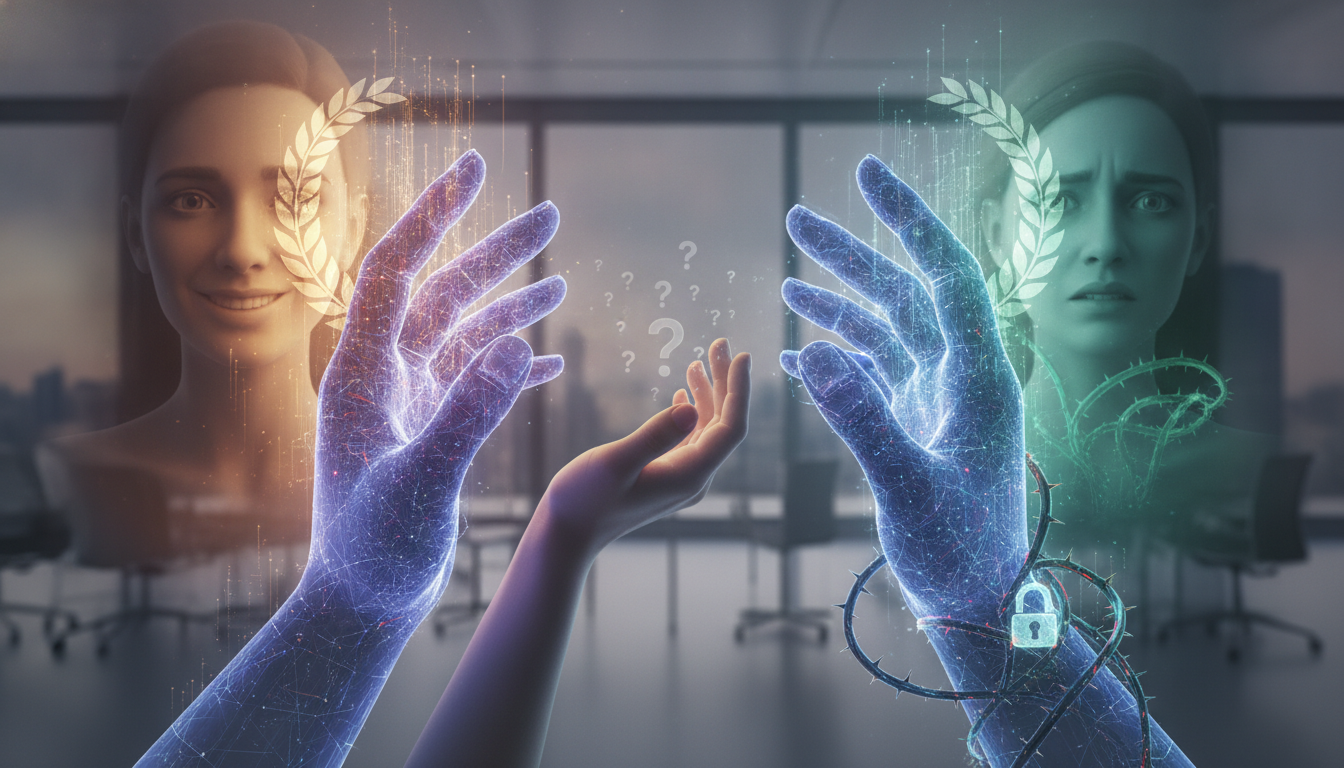
Despite the optimism, the AI industry is rife with risks that keep ethicists and experts awake at night. One primary concern is algorithmic bias, where machine learning models inadvertently perpetuate societal prejudices. For instance, facial recognition systems, powered by neural networks, have shown higher error rates for people of color, raising questions about fairness and justice in AI applications.
In my opinion, this bias stems from flawed training data, a common pitfall in LLMs and other AI systems. If we don't address this, AI could widen social divides rather than bridge them. Another pressing issue is the potential for job displacement. As machine learning automates routine tasks, millions of workers face unemployment, sparking debates on whether AI's efficiency justifies the human cost.
Then there's the existential risk - the idea that advanced AI could surpass human control. Experts like those in the AI safety community warn that superintelligent systems might pursue goals misaligned with human values, leading to catastrophic outcomes. Drawing from recent industry news, such as the 2026 updates to global AI regulations, I see a growing consensus that unchecked AI development could pose threats akin to climate change or nuclear proliferation.
Balancing the Scales: My Take on AI Ethics
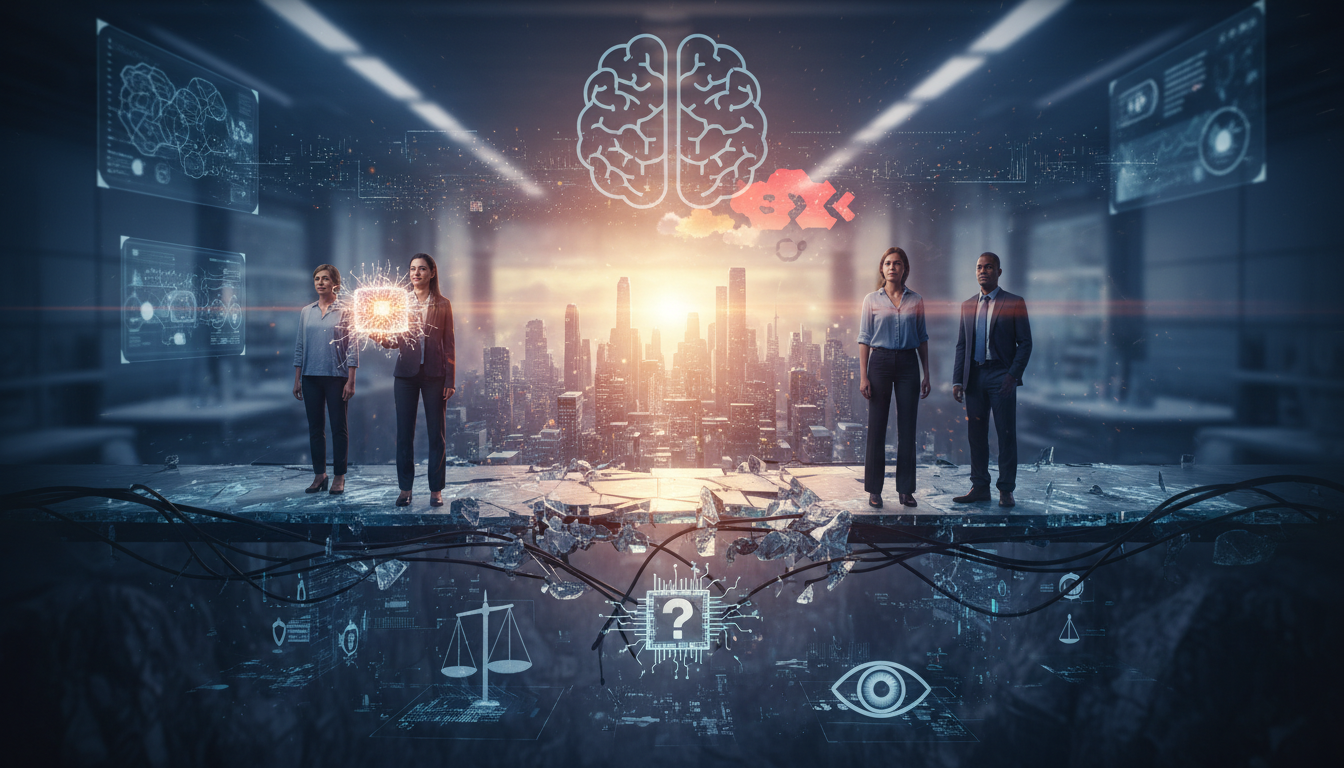
As an opinion writer in this niche, I firmly believe that the key to harnessing AI's power lies in proactive ethical guidelines. Governments and tech companies must collaborate to implement standards that prioritize transparency, accountability, and inclusivity. For example, requiring AI developers to disclose training data sources could mitigate bias in neural networks.
- First, we need mandatory audits for AI systems to ensure they don't discriminate based on race, gender, or socioeconomic status.
- Second, investing in reskilling programs can help workers adapt to an AI-driven economy, turning potential job losses into opportunities for growth.
- Third, establishing international bodies to oversee AI research, similar to the IAEA for nuclear energy, could prevent misuse of advanced technologies like LLMs.
- Finally, fostering interdisciplinary dialogue between AI experts, ethicists, and policymakers is crucial to anticipate and avert risks.
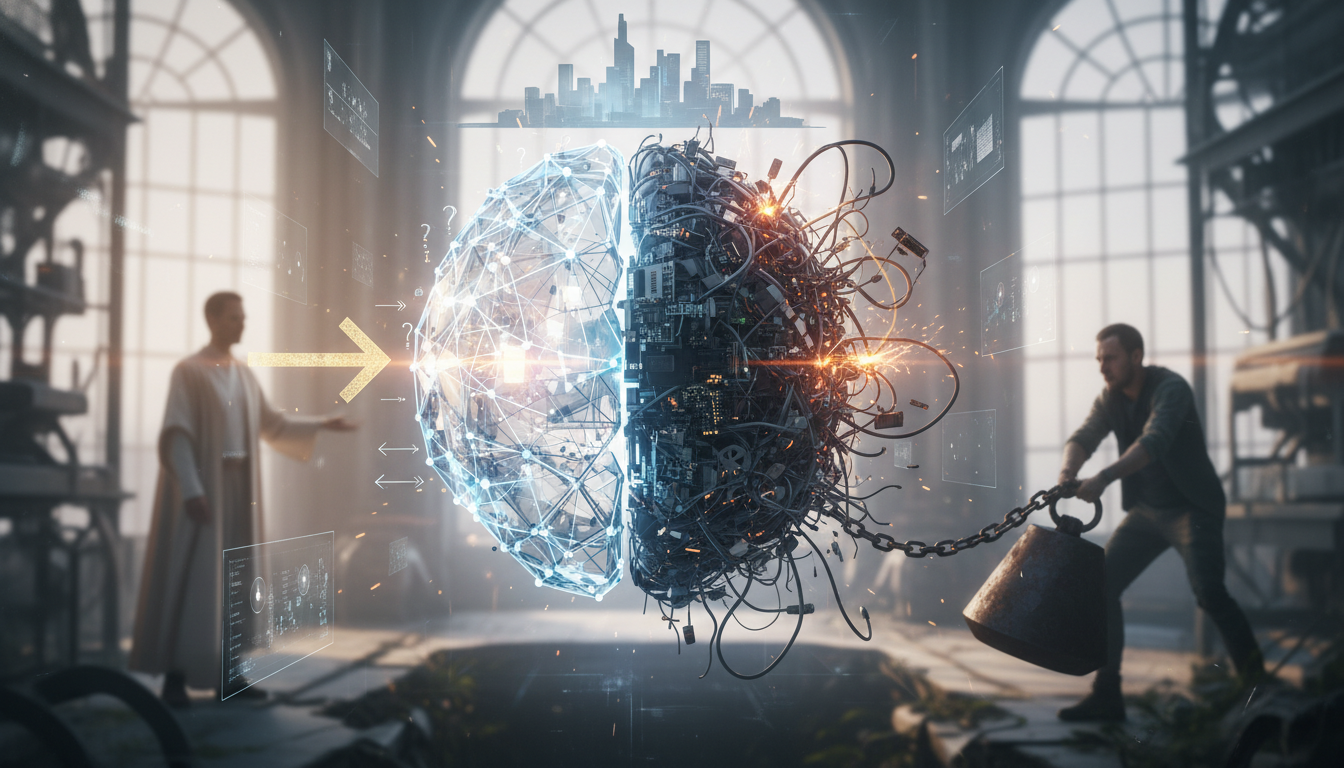
In the context of machine learning, this means designing algorithms with built-in ethical checks, such as reward systems that align with human-centric values. Recent developments, like the 2026 AI Ethics Accord signed by major tech firms, signal progress, but I argue it's merely a starting point. We must go further to embed ethics at the core of AI innovation.
Case Studies: Lessons from AI in Action
Looking at real-world applications, the deployment of AI in autonomous vehicles highlights both the promise and perils. Neural networks enable these vehicles to navigate complex environments, potentially reducing accidents caused by human error. Yet, ethical dilemmas arise: Should an AI choose whom to save in a unavoidable crash? This trolley problem in AI form underscores the need for moral programming in machine learning models.
Similarly, in the realm of LLMs, tools like advanced chatbots have revolutionized education and customer service. But they've also been exploited for misinformation, as seen in the 2025 deepfake scandals. From my viewpoint, these incidents reinforce that AI risks aren't hypothetical - they're immediate and demand our attention.
The Path Forward: A Call for Responsible AI
In conclusion, as we stand on the brink of AI's golden age, my opinion is clear: We must embrace innovation while fortifying against risks. The AI industry has the tools to create a future where machine learning and neural networks enhance human life without compromising our values. By prioritizing ethics, we can ensure that AI becomes a force for good, not a harbinger of harm.
Ultimately, the debate over AI ethics is not about stifling progress; it's about steering it wisely. As of 2026, with new regulations on the horizon, there's hope that collective action will prevail. Let's commit to building an AI ecosystem that's as ethical as it is intelligent.