
As we step into 2026, the artificial intelligence landscape is more vibrant than ever, with neural networks powering everything from autonomous vehicles to personalized healthcare recommendations. As a professional in the AI field, I’ve witnessed firsthand the transformative potential of these technologies. However, in my opinion, our growing dependence on neural networks is fostering unseen risks that could undermine the very innovations we celebrate. This article delves into why we must critically reassess this over-reliance, balancing enthusiasm with caution to ensure a sustainable future for AI development.
The Allure of Neural Networks: A Double-Edged Sword
Neural networks, the backbone of modern machine learning, have revolutionized how we process data and make decisions. From image recognition to natural language processing, these systems mimic the human brain’s interconnected neurons to deliver astonishing results. In my view, their ability to learn from vast datasets has accelerated progress in areas like large language models (LLMs), which now assist in coding, content creation, and even scientific research. Yet, this allure comes with significant pitfalls. Over-reliance on these models can lead to a false sense of infallibility, where we deploy them without adequate scrutiny.
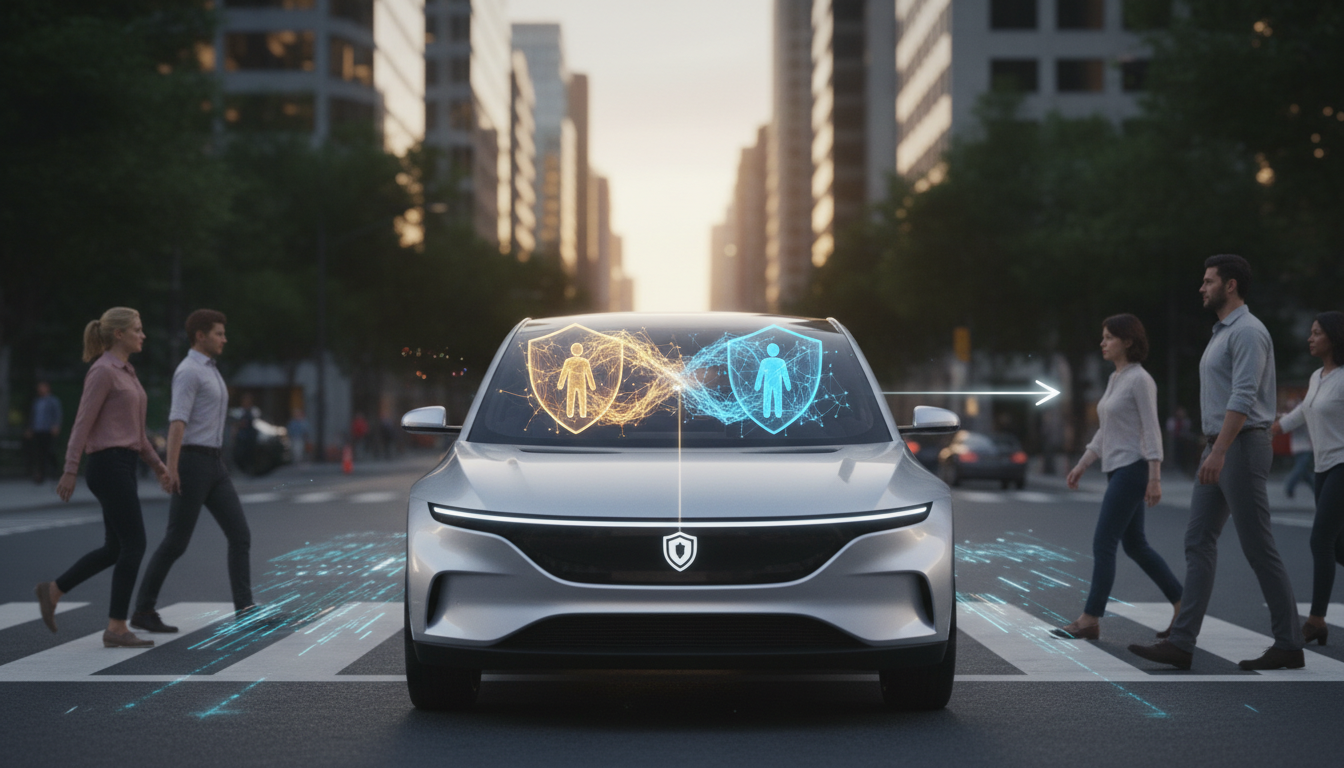
For instance, consider the deployment of neural networks in critical applications such as financial forecasting or medical diagnostics. While they excel at pattern recognition, they often lack transparency in their decision-making processes - a phenomenon known as the "black box" problem. In my opinion, this opacity not only hampers accountability but also amplifies risks. If a neural network misclassifies a medical image, the consequences could be life-altering. We’re seeing this play out in real-time with AI systems in autonomous driving, where minor errors have led to accidents, highlighting the need for more robust safeguards.
Ethical Debates in AI: The Risks of Unchecked Innovation
Turning to the ethical side, the rapid evolution of AI technology in 2026 raises profound questions about bias, privacy, and societal impact. Machine learning algorithms, trained on historical data, often perpetuate existing inequalities. For example, facial recognition systems have been criticized for their lower accuracy rates with certain demographic groups, stemming from biased training datasets. As someone deeply invested in AI’s potential, I argue that ignoring these issues is not just shortsighted but dangerous. We must demand greater diversity in datasets and algorithmic design to mitigate these risks.
Moreover, the proliferation of LLMs like those powering chatbots and virtual assistants brings forth concerns about data privacy. These models require enormous amounts of personal data to function effectively, yet regulations lag behind technological advancements. In my opinion, this creates a breeding ground for misuse, such as deepfakes or unauthorized surveillance. The AI industry must prioritize ethical frameworks that enforce data anonymization and user consent, or we risk eroding public trust. Without proactive measures, the benefits of AI could be overshadowed by scandals that set the field back years.
Navigating AI Risks: A Call for Balanced Development
To address these challenges, let’s explore practical strategies for mitigating risks in AI and machine learning. First, implementing rigorous testing protocols is essential. Neural networks should undergo adversarial testing, where models are exposed to manipulated inputs to reveal vulnerabilities. In my experience, this approach has uncovered flaws in LLMs that could otherwise lead to misinformation campaigns. Additionally, fostering interdisciplinary collaboration - between AI experts, ethicists, and policymakers - can help create comprehensive guidelines.
- Enhance Explainability: Develop tools that make neural networks more interpretable, allowing users to understand decisions and build trust.
- Promote Diversity in AI Teams: Ensure development teams reflect a broad range of perspectives to reduce bias in algorithms.
- Invest in Robust Governance: Governments and companies should establish global standards for AI ethics, similar to those emerging in 2026 for data security.
- Educate the Public: Increase awareness about AI’s limitations to prevent over-dependence and encourage critical engagement.
From an opinion standpoint, the AI industry’s current trajectory feels like a high-stakes gamble. While neural networks have driven unprecedented advancements, such as improving climate modeling through machine learning, the potential for catastrophic failures looms large. We’ve already seen instances where AI systems in stock trading amplified market volatility, underscoring the need for fail-safes. By 2026, if we don’t shift towards more responsible innovation, we could face widespread job displacement or even geopolitical tensions arising from AI-driven cyber threats.
The Path Forward: My Vision for AI in 2026 and Beyond
In conclusion, while I remain optimistic about AI’s role in shaping a better world, my opinion is clear: over-reliance on neural networks without addressing inherent risks is a recipe for disaster. As of May 2026, the industry is at a crossroads, with opportunities for groundbreaking applications in fields like drug discovery and personalized education. However, we must prioritize ethics and risk management to harness these benefits sustainably. Policymakers, developers, and users alike need to advocate for balanced AI development, ensuring that innovation serves humanity rather than endangering it.
Ultimately, the future of AI lies in our hands. By fostering a culture of ethical vigilance, we can mitigate risks and unlock the full potential of machine learning. What are your thoughts on navigating these challenges? Share in the comments below - I’d love to hear from fellow AI enthusiasts.