In the bustling metropolises of 2026, where space is at a premium and sustainability is no longer a choice but a necessity, artificial intelligence is stepping up to transform urban farming. On February 12, 2026, a coalition of tech innovators unveiled a new AI system that leverages large language models (LLMs) to optimize vertical gardens and hydroponic setups. This isn't just another tech gadget; it's a revolutionary tool designed to make city-dwellers self-sufficient in fresh produce while minimizing environmental impact. As we dive deeper into this innovation, we'll explore how AI is reshaping agriculture in urban environments, making it more efficient, accessible, and eco-friendly.
The Dawn of AI in Urban Agriculture
Urban farming has been around for decades, from community gardens to rooftop farms, but 2026 marks a pivotal year with the integration of advanced AI technologies. The recent announcement highlights a system called GreenAI, which uses LLMs to analyze soil conditions, weather patterns, and crop needs in real-time. Unlike traditional methods that rely on manual monitoring, GreenAI processes vast amounts of data to provide personalized recommendations for planting, watering, and harvesting. This breakthrough is not about replacing human farmers but augmenting their capabilities, allowing for precision agriculture in the most unlikely of places - skyscraper balconies and abandoned warehouses.
At its core, LLMs are trained on datasets that include historical farming data, botanical research, and even user preferences. For instance, if a user in a high-rise apartment wants to grow tomatoes, the AI can suggest the optimal light exposure, nutrient balance, and pest control strategies based on local climate data. This level of customization was unimaginable just a few years ago, and it's already showing promising results in pilot programs across cities like Tokyo and New York.
How LLMs Are Powering Smarter Farms
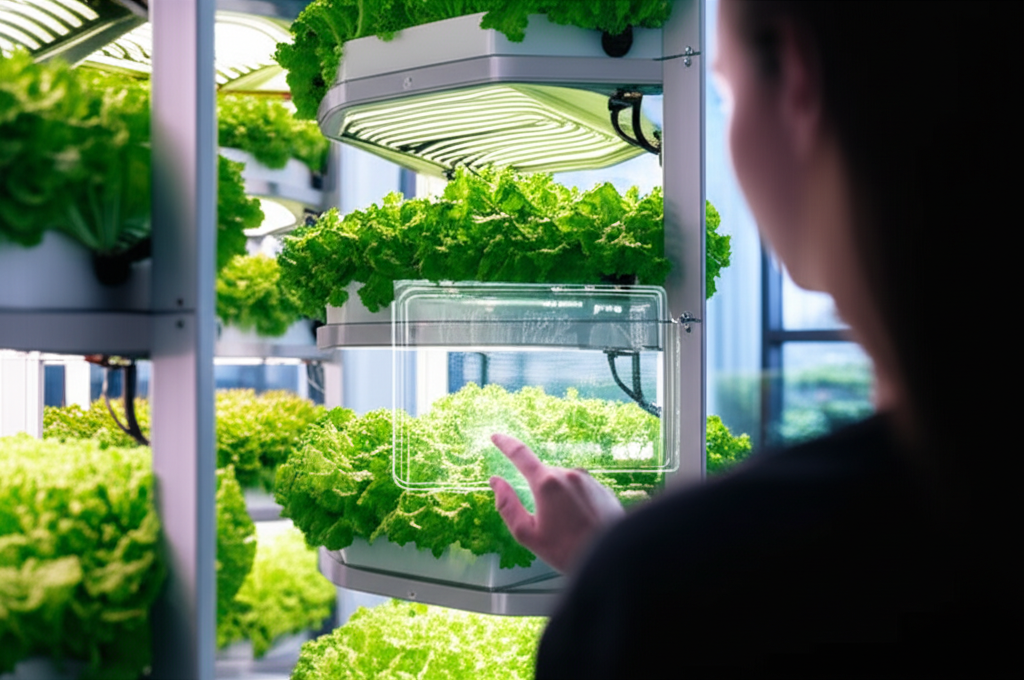
The mechanics behind this AI breakthrough are fascinating. LLMs, known for their prowess in natural language processing, have been adapted here to interpret complex environmental variables. Imagine an AI that can "read" the health of a plant by analyzing images from a smartphone camera and cross-referencing them with a database of plant diseases. This isn't science fiction; it's happening now. GreenAI, for example, uses computer vision integrated with LLMs to detect early signs of nutrient deficiencies or infestations, recommending interventions before issues escalate.
One of the key advantages is resource efficiency. Urban farming often faces challenges like water scarcity and limited land. AI steps in by optimizing water usage through predictive algorithms that forecast rainfall and evaporation rates. In a recent demonstration, GreenAI reduced water consumption in a vertical farm by 30% compared to traditional methods. This not only conserves resources but also lowers costs for urban farmers, making fresh produce more affordable in food deserts.
- Efficient resource management: AI analyzes data to minimize waste in water and fertilizers.
- Personalized growth plans: Tailored advice based on user input and environmental factors.
- Scalability for urban settings: Easily adaptable to small spaces like balconies or community plots.
- Integration with smart devices: Connects with IoT sensors for real-time monitoring.
Beyond the technical aspects, this innovation fosters community engagement. Apps powered by these LLMs allow users to share tips, swap virtual seeds, and even participate in challenges to grow the most sustainable crops. It's a social movement as much as a technological one, encouraging people to reconnect with their food sources in an increasingly digital world.
Challenges and Ethical Considerations
While the potential of AI in urban farming is immense, it's not without hurdles. One major concern is the digital divide: not everyone in urban areas has access to the necessary technology, such as high-speed internet or smart devices. Developers are addressing this by creating affordable, offline versions of the software that can run on basic hardware. Additionally, there's the question of data privacy. LLMs rely on vast datasets, and ensuring that user information - such as location-based farming data - is protected is paramount.
Another ethical angle is the impact on traditional farming communities. As AI-driven urban farms become more prevalent, there's a risk of overshadowing rural agriculture. Advocates argue that this technology could complement rather than compete, by freeing up rural resources for larger-scale production. Moreover, the environmental benefits are clear: by reducing the carbon footprint of food transportation, AI-enabled urban farms can contribute to global sustainability goals.
The Future of AI and Urban Farming
Looking ahead, the 2026 announcement is just the beginning. Experts predict that within the next five years, AI will evolve to include genetic analysis of crops, enabling the development of hyper-local varieties that thrive in specific urban microclimates. Imagine tomatoes engineered to withstand city pollution or herbs that require minimal sunlight for high-rises. This could lead to a renaissance in urban biodiversity, turning concrete jungles into green oases.
Governments and private sectors are already investing heavily. For instance, the European Union has allocated funds to integrate AI farming into smart city initiatives, while startups in Asia are partnering with local farmers to scale these technologies. The economic ripple effects are significant, potentially creating thousands of jobs in tech-agriculture and boosting local economies through increased food production.
From an SEO perspective, keywords like 'AI in urban farming' and 'LLM breakthroughs' are gaining traction, as more people search for sustainable living solutions. This innovation not only addresses immediate needs but also paves the way for a more resilient food system in the face of climate change.
Real-World Success Stories
To illustrate the impact, let's look at a case study from Singapore. In a densely populated city-state, GreenAI has been implemented in public housing blocks, allowing residents to grow their own vegetables. Initial reports show a 40% increase in fresh produce availability, reducing reliance on imports and cutting down on waste. Similarly, in Chicago, community gardens equipped with AI systems have seen yields double, thanks to precise nutrient delivery.
These stories highlight the transformative power of AI, turning everyday urban spaces into productive farms. As we continue to innovate, the key will be inclusive development, ensuring that these technologies benefit all segments of society.
Conclusion: A Greener Tomorrow
As we wrap up, the 2026 AI breakthrough in sustainable urban farming represents a beacon of hope for a world grappling with environmental challenges. By harnessing the power of LLMs, we're not just growing food; we're cultivating a sustainable future. Whether you're a tech enthusiast or a casual gardener, this innovation invites everyone to participate in the green revolution. Stay tuned for more developments, as AI continues to reshape our world in unexpected ways.