As we step into 2026, the intersection of artificial intelligence and agriculture is ushering in a new era of sustainability, transforming how we grow food and manage resources. This article explores the cutting-edge AI technologies that are making farms smarter, more efficient, and environmentally friendly, ensuring a greener future for global food production.
The Urgent Need for Sustainable Agriculture in 2026
In an era marked by climate change and population growth, traditional farming methods are proving inadequate. With predictions of food shortages and environmental degradation, sustainable agriculture has become a global priority. AI is stepping in as a game-changer, offering tools to optimize resource use and minimize waste.
According to recent reports, agriculture accounts for nearly 24% of global greenhouse gas emissions. AI-driven solutions are addressing this by enabling precision farming, which reduces the overuse of water, fertilizers, and pesticides. This not only helps in preserving soil health but also supports biodiversity, making farms more resilient to extreme weather events.
Key AI Innovations Transforming the Fields
AI technologies are being integrated into every aspect of farming, from planting to harvesting. One of the most exciting developments is the use of machine learning algorithms in predictive analytics, which forecast crop yields with remarkable accuracy.
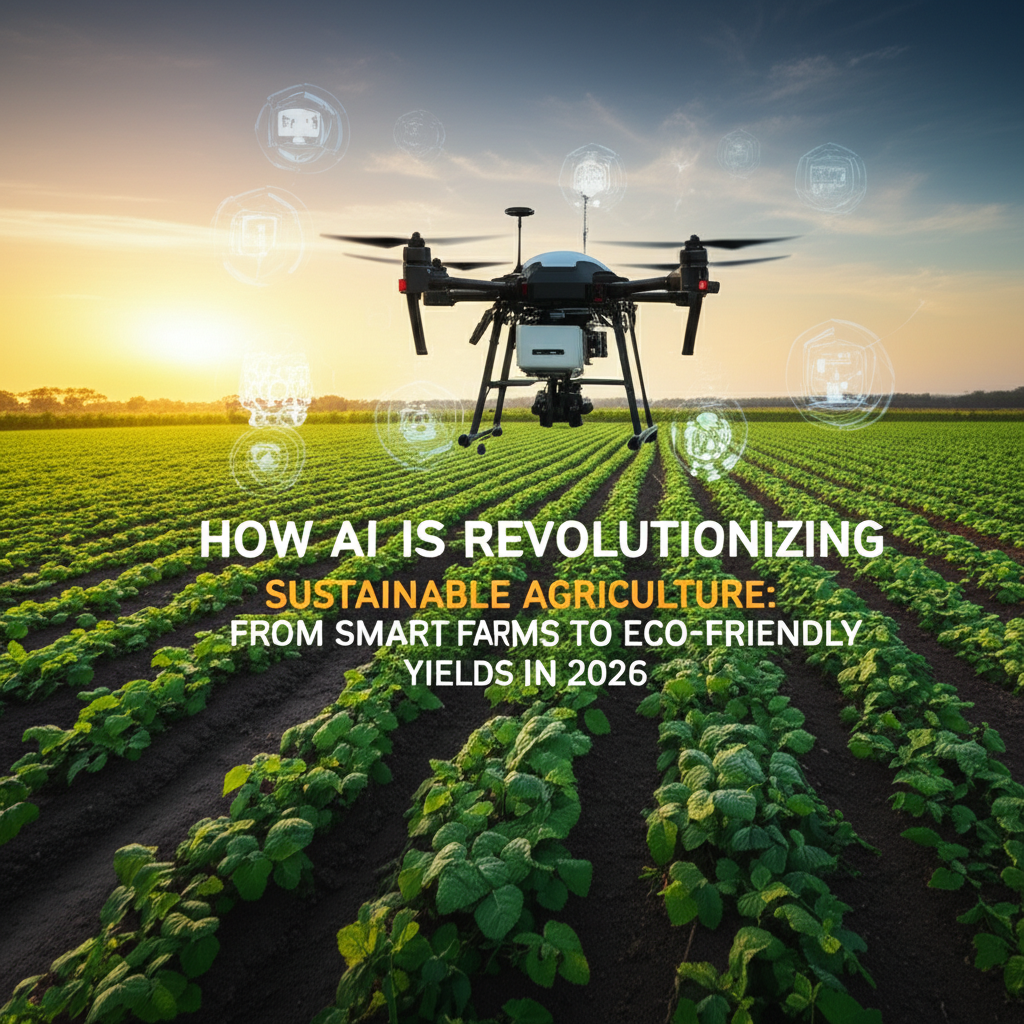
- Drone Technology and AI Imaging: Drones equipped with AI-powered cameras scan vast farmlands, identifying issues like pest infestations or nutrient deficiencies in real-time. This allows farmers to target interventions, reducing chemical usage by up to 50%.
- Automated Irrigation Systems: AI sensors monitor soil moisture and weather patterns, automating irrigation to deliver water exactly where and when it's needed. This conserves water resources, especially in drought-prone areas, and can increase crop efficiency by 20-30%.
- Robotic Harvesting: Advanced robots, guided by AI, perform harvesting tasks with precision, minimizing damage to crops and reducing labor costs. These machines learn from each harvest, improving their efficiency over time.
Moreover, AI is enhancing livestock management through wearable devices that track animal health and behavior, preventing diseases and improving welfare. This holistic approach ensures that the entire agricultural ecosystem is optimized for sustainability.
Benefits of AI in Sustainable Farming
The adoption of AI in agriculture brings a multitude of benefits, starting with increased productivity. By analyzing vast datasets from satellites, weather stations, and on-ground sensors, AI helps farmers make data-driven decisions that boost output without expanding land use.
Environmentally, AI promotes eco-friendly practices. For instance, it aids in carbon sequestration by optimizing planting schedules and crop rotations, which lock carbon in the soil. Economically, smallholder farmers in developing regions are gaining access to affordable AI tools via mobile apps, empowering them to compete in global markets.
- Cost Savings: Farmers can save on inputs like seeds and fertilizers by using AI to predict exact requirements, potentially cutting costs by 15-20%.
- Food Security: With AI, regions affected by climate variability can adapt quickly, ensuring a steady food supply for growing populations.
- Job Creation: While AI automates some tasks, it also creates new roles in tech maintenance, data analysis, and AI system management.
However, these benefits come with challenges, such as the need for reliable internet in rural areas and the high initial investment in AI infrastructure. Despite this, governments and organizations are providing subsidies and training programs to bridge the gap.
Real-World Examples and Case Studies
Around the world, AI is already making a tangible impact on sustainable agriculture. In Europe, companies are using AI to manage large-scale organic farms, where algorithms analyze soil data to recommend natural pest control methods.
In Africa, initiatives like AI-powered mobile apps are helping small farmers in Kenya predict rainfall patterns, leading to a 25% increase in yields for staple crops. Similarly, in Asia, rice farmers in India are employing AI drones to detect early signs of flooding, protecting harvests from monsoon damage.
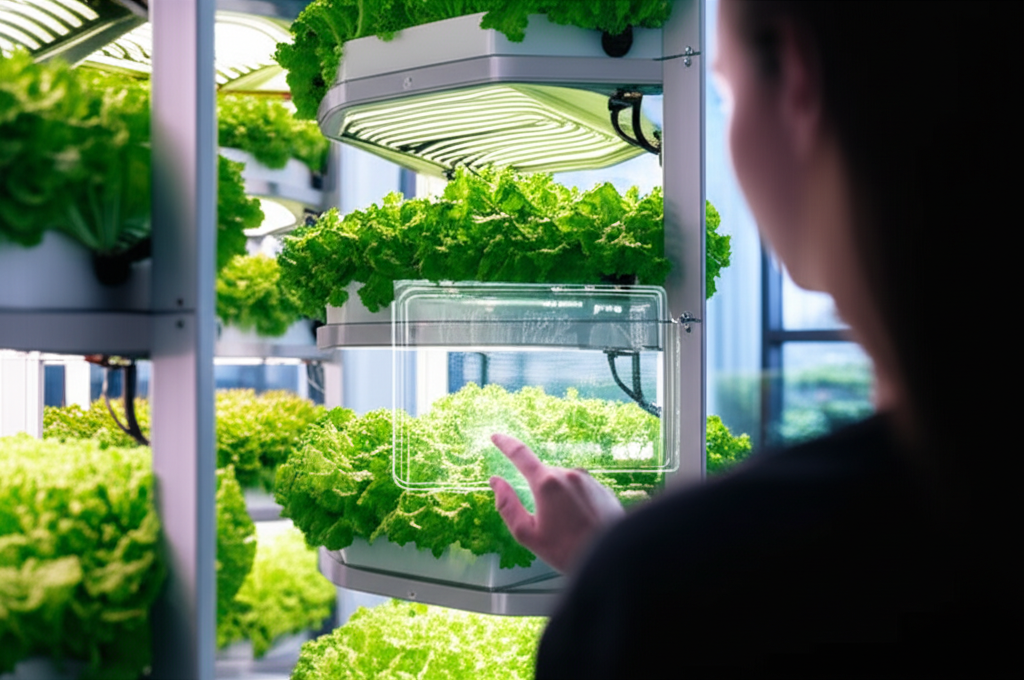
- Case Study: Netherlands' Smart Farms: The Netherlands, a leader in high-tech agriculture, uses AI to create vertical farms that produce more food with less space and water, setting a model for urban agriculture.
- Global Collaborations: Partnerships between tech firms and agricultural organizations are developing open-source AI tools, making them accessible to farmers in underserved regions.
These examples highlight how AI is not just a theoretical concept but a practical solution that's already yielding results, fostering a more sustainable and equitable food system.
Challenges and Ethical Considerations
While the potential of AI in agriculture is immense, it's not without hurdles. Data privacy is a major concern, as AI systems rely on vast amounts of farm data that could be vulnerable to breaches. Additionally, there's the risk of over-reliance on technology, which might displace traditional farming knowledge.
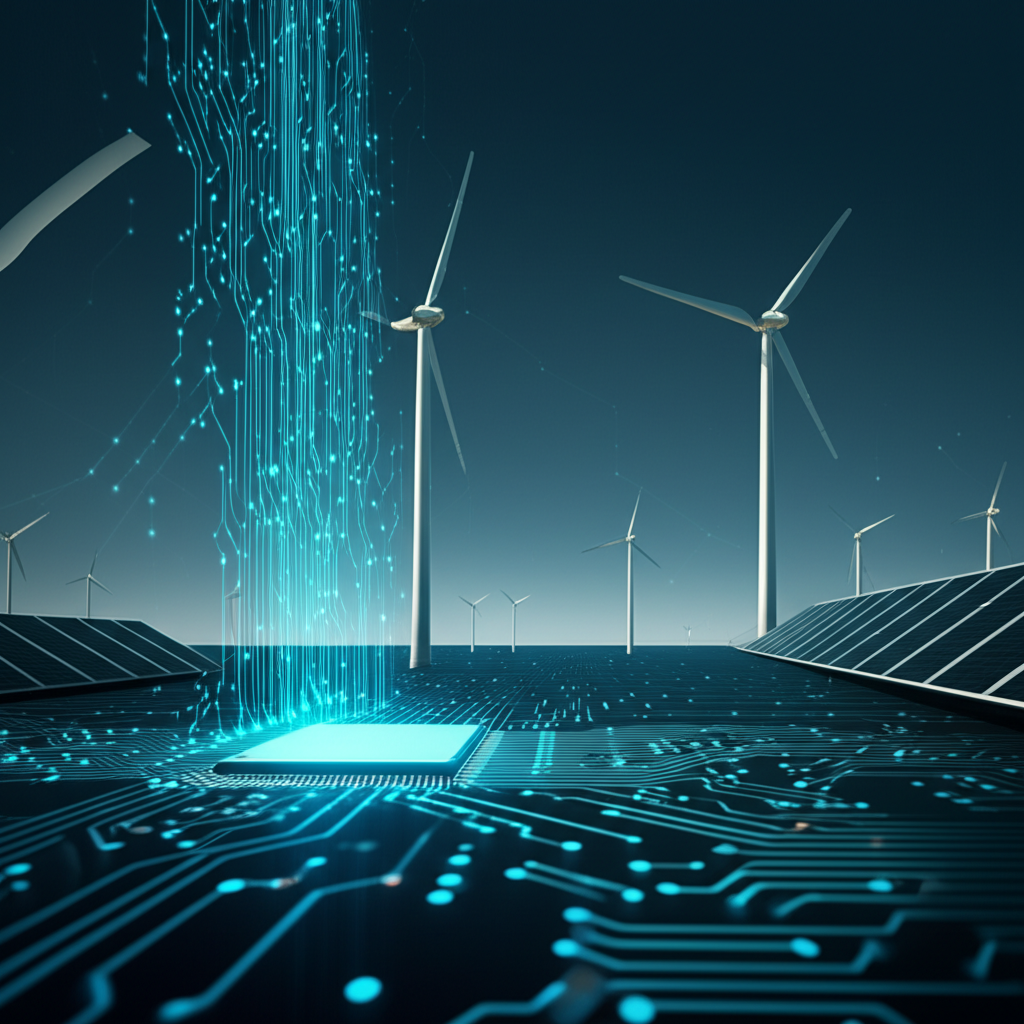
Ethical issues also arise, such as ensuring that AI benefits are distributed fairly across socioeconomic lines. Policymakers are working on regulations to promote equitable access, including AI education for farmers. Moreover, the environmental footprint of AI hardware, like data centers, must be minimized through renewable energy sources.
- Overcoming Barriers: Investments in renewable-powered AI infrastructure and community-based training can address these challenges.
- Future Regulations: Expected global standards will focus on transparent AI algorithms to build trust among farmers.
The Future Outlook: AI's Growing Role in Global Sustainability
Looking ahead, AI is poised to play an even larger role in achieving the United Nations' Sustainable Development Goals, particularly in ending hunger and combating climate change. By 2030, experts predict that AI could help reduce global food waste by 40%, thanks to better supply chain management.
Innovations like AI-integrated biotechnology are on the horizon, enabling the development of drought-resistant crops. As AI evolves, its integration with other technologies, such as IoT and blockchain, will further enhance traceability and efficiency in food production.
In conclusion, AI's revolution in sustainable agriculture is not just about technological advancement; it's about building a resilient, equitable, and environmentally conscious food system for future generations. As we continue to innovate, the key will be collaborative efforts between governments, tech companies, and farmers to ensure these benefits reach everyone.