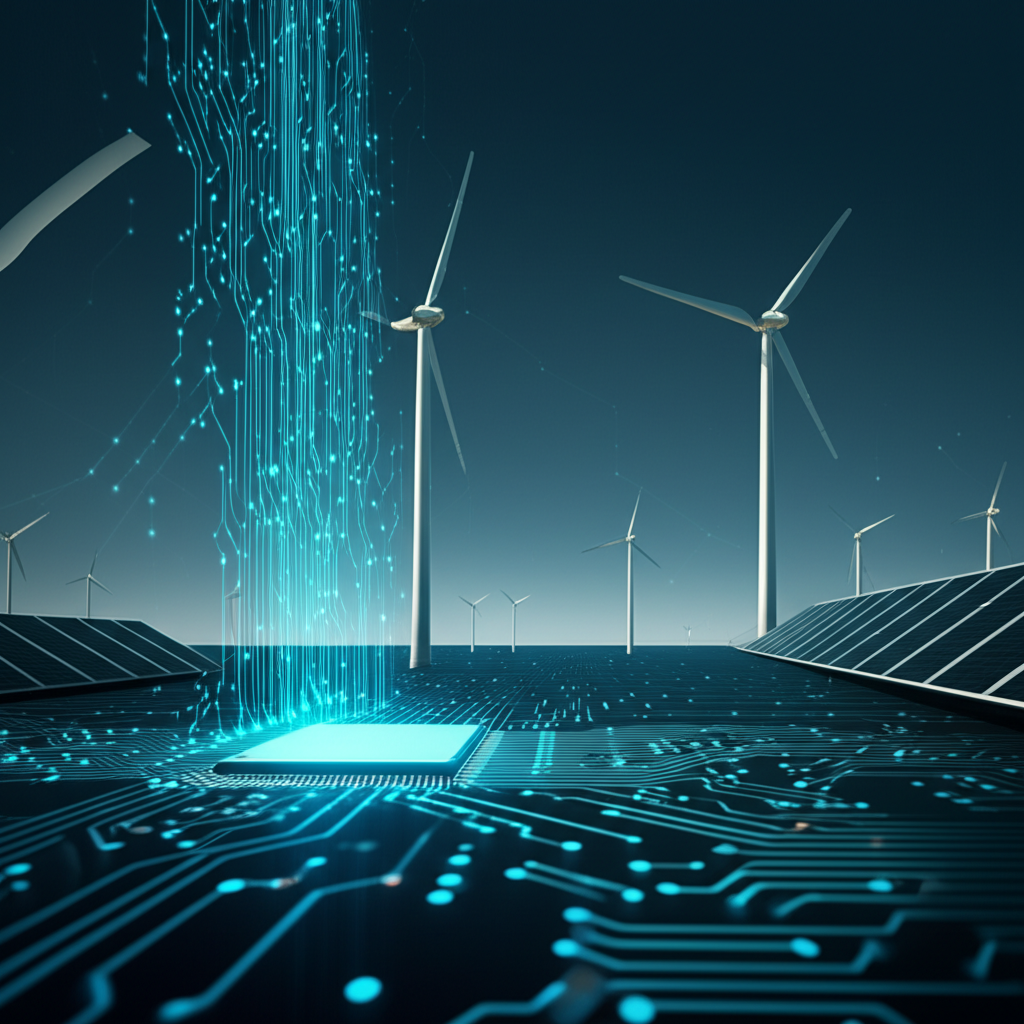
As we step into 2026, the intersection of artificial intelligence and renewable energy is reshaping how we combat climate change and build a sustainable future. Gone are the days when AI was solely associated with chatbots or data analysis; today, it's powering smarter grids, optimizing wind farms, and predicting solar output with unprecedented accuracy. This article explores how AI is becoming a cornerstone of green technology, driving efficiency and innovation in an era of environmental urgency.
The Fundamentals of AI in Renewable Energy
At its core, AI leverages machine learning algorithms, predictive analytics, and real-time data processing to enhance renewable energy systems. For instance, AI can analyze vast datasets from weather patterns, energy consumption, and grid performance to forecast energy production and demand. This not only minimizes waste but also ensures a more reliable supply of clean energy. By 2026, experts predict that AI-driven optimizations could reduce global energy losses by up to 20%, making renewables more competitive against fossil fuels.
One key aspect is the use of AI in smart grids, which integrate various energy sources like solar, wind, and hydro into a cohesive network. These systems use AI to balance loads in real-time, preventing blackouts and maximizing efficiency. As governments worldwide push for net-zero emissions, AI's role in this sector is more critical than ever, offering scalable solutions to complex environmental challenges.
Key Benefits of AI Integration in Renewables
The advantages of incorporating AI into renewable energy are multifaceted, ranging from cost savings to environmental impact. First, AI enhances predictive maintenance for energy infrastructure, identifying potential failures before they occur and extending the lifespan of equipment like turbines and panels. This proactive approach can save billions in maintenance costs annually.
Additionally, AI optimizes resource allocation. For example, in solar energy, algorithms can adjust panel angles based on cloud cover and sunlight intensity, boosting output by 10-15%. Here's a quick list of benefits:
- Improved energy efficiency through real-time data analysis.
- Reduced carbon footprints by minimizing reliance on non-renewable backups.
- Enhanced scalability, allowing small-scale setups to integrate with larger grids seamlessly.
- Job creation in tech-green sectors, fostering economic growth in sustainable industries.
- Better policy-making with AI-generated insights on energy trends and consumption patterns.
Overall, these benefits are accelerating the global shift towards renewables, with AI acting as the catalyst for innovation and widespread adoption.
Challenges Facing AI in Renewable Energy
Despite its potential, integrating AI into renewable energy isn't without hurdles. One major challenge is the high initial cost of AI technologies, including advanced sensors, computing power, and skilled personnel. In developing regions, this can widen the gap in access to clean energy solutions, exacerbating inequalities.
Another issue is data privacy and security. AI systems rely on massive amounts of data, which could be vulnerable to cyber threats, potentially disrupting energy supplies. Moreover, the environmental footprint of AI itself - such as the energy consumed by data centers - poses an ironic challenge. To address this, experts are developing more energy-efficient AI models and advocating for regulations that ensure ethical AI deployment.
Furthermore, there's the need for interdisciplinary collaboration. Bridging the gap between AI developers and energy experts requires standardized protocols and training programs. By overcoming these obstacles, we can unlock AI's full potential in creating a truly sustainable energy landscape.
Real-World Applications and Success Stories
Around the globe, AI is already making tangible impacts in renewable energy. In Europe, AI-powered wind farms use machine learning to predict wind speeds and adjust blade pitches, increasing energy capture by up to 25%. Similarly, in Asia, AI algorithms optimize hydroelectric dams by analyzing water flow and rainfall data, ensuring efficient water usage and flood prevention.
In the United States, a notable project involves AI integrating solar power with battery storage systems. These setups use neural networks to store excess energy during peak production and release it during high-demand periods, stabilizing the grid and reducing costs for consumers. One success story is a consortium of tech firms that deployed AI to manage a network of community solar projects, resulting in a 30% drop in energy bills for participants.
These examples highlight how AI is not just theoretical but actively transforming energy systems. From rural microgrids in Africa to urban smart cities, AI's applications are diverse and adaptable, proving its versatility in various contexts.
The Future Outlook: AI's Expanding Role in Sustainability
Looking ahead to the rest of 2026 and beyond, AI's role in renewable energy is set to expand exponentially. Emerging technologies like edge AI, which processes data on-site rather than in distant servers, will make systems more responsive and less energy-intensive. This could revolutionize off-grid solutions in remote areas, providing clean energy access to millions.
Innovations in quantum AI might further enhance predictive capabilities, allowing for hyper-accurate modeling of climate patterns and energy needs. Governments and private sectors are investing heavily, with global funding for AI in renewables projected to reach $50 billion by 2030. As we move forward, ethical considerations, such as ensuring AI benefits underserved communities, will be paramount.
Ultimately, the fusion of AI and renewable energy holds the key to achieving global sustainability goals. By fostering innovation and collaboration, we can pave the way for a greener, more resilient world.
Conclusion: Embracing AI for a Brighter Future
In conclusion, the rise of AI in renewable energy represents a pivotal shift towards a sustainable 2026 and beyond. By harnessing AI's capabilities, we're not only addressing immediate environmental challenges but also building a foundation for long-term ecological balance. As individuals, businesses, and policymakers embrace this technology, the potential for positive change is immense, making now the perfect time to invest in and advocate for AI-driven green solutions.