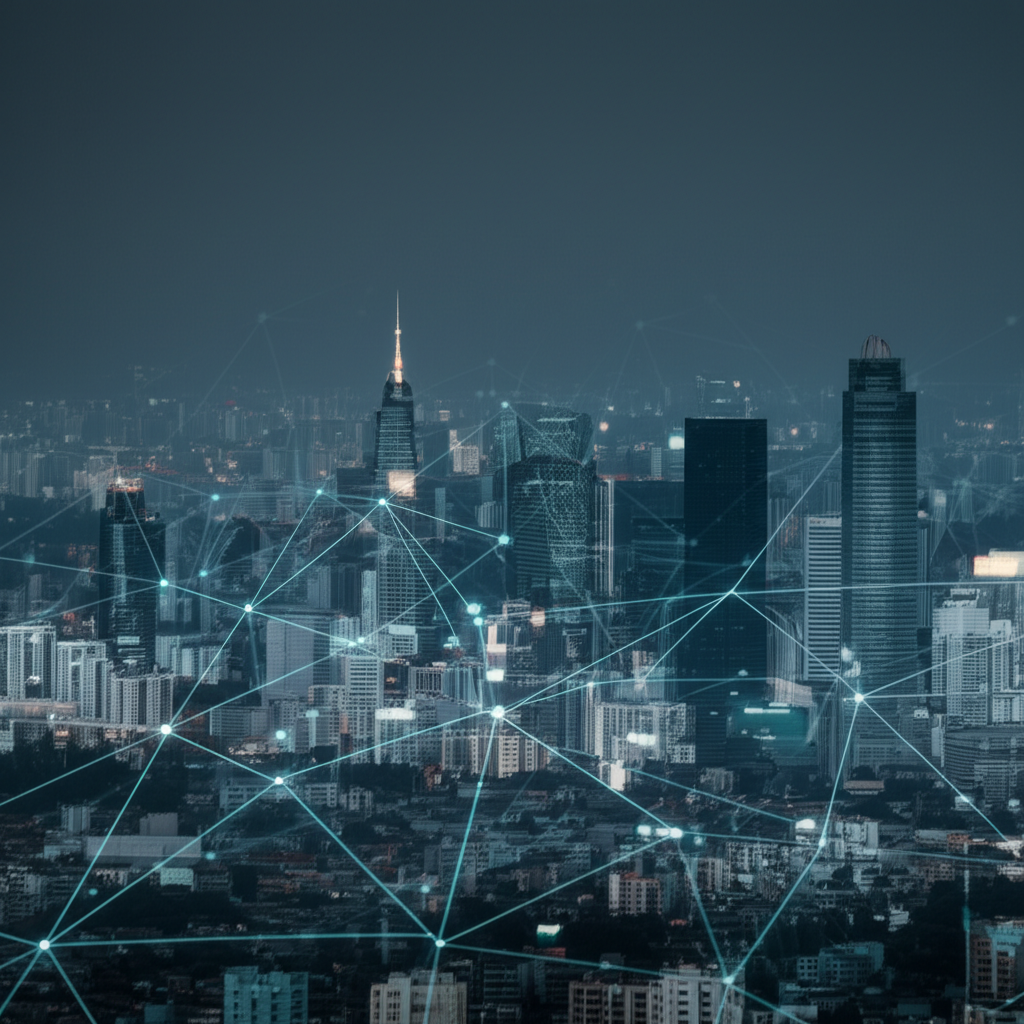
As we step into 2026, the fusion of artificial intelligence with urban infrastructure is reshaping how cities operate, making them more efficient, sustainable, and responsive to citizens' needs. This article explores the latest developments in AI-driven smart city initiatives, highlighting how technology is transforming everyday urban life without the hype of overhyped sectors like AGI debates or market crashes. From optimizing traffic flow to enhancing public safety, AI is quietly becoming the backbone of modern metropolises, promising a greener and more connected world.
What Are Smart Cities and How Does AI Fit In?
Smart cities leverage technology to improve the quality of life for residents, and AI is at the heart of this transformation. By analyzing vast amounts of data from sensors, cameras, and IoT devices, AI algorithms can predict urban challenges before they arise. For instance, AI systems can monitor environmental conditions in real-time, helping city planners address issues like air pollution or energy consumption proactively.
This integration isn't just about tech for tech's sake; it's about creating adaptive environments that evolve with the needs of the population. In 2026, we're seeing a surge in AI-powered platforms that integrate multiple data sources, allowing for seamless decision-making. Cities like Barcelona and Singapore have pioneered these efforts, using AI to streamline operations and reduce waste, setting a global standard for urban innovation.
Key Innovations Driving AI in Smart Cities
The rapid evolution of AI technologies has introduced several breakthroughs that are directly impacting smart city development. One notable advancement is the use of edge AI, which processes data closer to the source, reducing latency and enhancing real-time responses. This means traffic lights can adjust instantly based on current road conditions, minimizing congestion and emissions.
Another exciting area is predictive maintenance for infrastructure. AI algorithms analyze structural data from bridges and buildings to foresee potential failures, preventing costly repairs and ensuring public safety. Additionally, AI-enhanced public transportation systems are optimizing routes and schedules, integrating with ride-sharing apps to provide personalized commuting options. These innovations are not only efficient but also environmentally friendly, aligning with global sustainability goals.
- Edge AI for real-time decision-making in traffic management.
- Predictive analytics for infrastructure upkeep and disaster prevention.
- AI-driven energy grids that balance supply and demand dynamically.
- Integration of AI with IoT for comprehensive urban monitoring.
- Personalized services, like AI assistants in public spaces for navigation and information.
These technologies are being rolled out globally, with collaborations between tech giants and municipal governments accelerating adoption. For example, new AI frameworks are being developed to ensure these systems are scalable and interoperable across different cities.
Benefits of AI in Urban Environments
The benefits of incorporating AI into smart cities are multifaceted, extending from economic gains to social improvements. Economically, AI can boost efficiency by automating routine tasks, freeing up human resources for more creative endeavors. This leads to cost savings for municipalities and stimulates innovation in local economies.
Socially, AI enhances community engagement through apps that allow residents to report issues directly, fostering a sense of ownership and responsiveness. Environmentally, AI optimizes resource use, such as water and electricity, contributing to reduced carbon footprints. However, these advantages come with the need for careful implementation to ensure equity, as not all communities have equal access to these technologies.
- Improved public safety through AI-powered surveillance and emergency response systems.
- Enhanced sustainability by reducing waste and promoting green initiatives.
- Economic growth via smarter resource allocation and job creation in tech sectors.
- Better health outcomes with AI monitoring air quality and disease spread.
- Increased accessibility for people with disabilities through adaptive urban designs.
Overall, these benefits are making cities more livable, but they require ongoing investment in education and training to build a workforce capable of managing these systems.
Challenges and Ethical Considerations
Despite the promising advancements, integrating AI into smart cities isn't without challenges. Privacy concerns are paramount, as the collection of vast data sets raises questions about surveillance and data security. In 2026, governments are grappling with regulations to protect citizen data while allowing for innovation, emphasizing transparent AI practices.
Another issue is the digital divide, where lower-income areas might lag in adopting these technologies, exacerbating inequalities. Ethical considerations, such as bias in AI algorithms, must be addressed to ensure fair outcomes for all residents. For instance, if AI traffic systems favor certain routes, it could unintentionally discriminate against underserved neighborhoods.
- Data privacy and security risks in interconnected urban networks.
- Potential for algorithmic bias affecting resource distribution.
- High implementation costs that burden smaller cities.
- Job displacement due to automation in traditional roles.
- The need for robust cybersecurity to prevent AI system hacks.
To mitigate these, international standards and collaborations are emerging, focusing on ethical AI frameworks that prioritize human rights and environmental protection.
Real-World Examples and Case Studies
Around the world, cities are already reaping the rewards of AI integration. In Tokyo, AI is used to manage crowd flows during events, reducing congestion and improving safety. Meanwhile, in Dubai, AI-powered drones monitor construction sites, ensuring compliance with building codes and enhancing efficiency.
In the United States, cities like Boston are employing AI for predictive policing, which analyzes crime patterns to allocate resources more effectively. These examples demonstrate how AI can be tailored to local needs, from managing natural disasters in flood-prone areas to optimizing waste collection in densely populated regions. The success of these initiatives is inspiring other cities to follow suit, with measurable improvements in efficiency and resident satisfaction.
The Future Outlook for AI in Smart Cities
Looking ahead in 2026 and beyond, the role of AI in smart cities is set to expand exponentially. Emerging trends include the integration of quantum computing for faster data processing, enabling even more complex urban simulations. As AI becomes more autonomous, we can expect self-healing infrastructure that automatically detects and repairs issues.
Furthermore, global partnerships are fostering the development of open-source AI tools, making technology accessible to developing nations. This could lead to a more equitable urban landscape, where cities in Africa and Asia leapfrog traditional development stages. The future holds immense potential, but it hinges on collaborative efforts to address current challenges and build a sustainable framework for growth.
In conclusion, AI's integration into smart cities is a game-changer for urban living, offering solutions to some of the most pressing challenges of our time. By focusing on ethical implementation and inclusive access, we can create cities that are not only smarter but also more humane and sustainable.