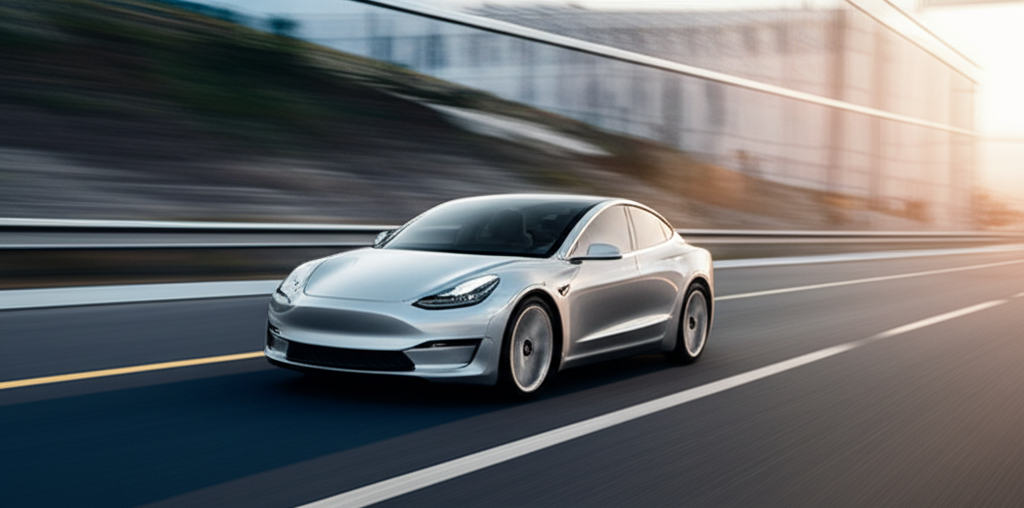
In the fast-paced world of 2026, artificial intelligence is steering the future of transportation like never before. Autonomous vehicles, once a sci-fi dream, are now a reality on our streets, promising to reduce accidents, ease traffic congestion, and transform daily commutes. As we dive into this exciting evolution, we'll explore how AI is making these vehicles not just smarter, but safer for everyone involved.
The Technology Behind AI in Autonomous Vehicles
At the heart of autonomous vehicles lies a sophisticated blend of AI technologies that work in harmony to navigate complex environments. Machine learning algorithms, powered by vast datasets from sensors and cameras, enable these vehicles to perceive their surroundings in real-time. For instance, advanced computer vision systems can detect pedestrians, cyclists, and other obstacles with remarkable accuracy, far surpassing human capabilities in low-visibility conditions.
Key components include LiDAR (Light Detection and Ranging) and radar systems, which provide 3D mapping of the environment. These are integrated with neural networks that learn from millions of miles of simulated and real-world driving data. In 2026, companies are pushing the boundaries with edge AI computing, allowing vehicles to process decisions onboard without relying on cloud servers, thus reducing latency and enhancing reliability. This technological leap is not just about speed; it's about creating adaptive systems that can handle unexpected scenarios, like sudden weather changes or road construction.
Moreover, AI-driven predictive analytics play a crucial role. By analyzing traffic patterns and historical data, autonomous vehicles can optimize routes in real-time, avoiding bottlenecks and promoting fuel efficiency. This isn't just theoretical - tests in major cities have shown up to 20% reduction in travel time, making AI an indispensable tool in modern transportation.
Benefits and Safety Improvements
The integration of AI into autonomous vehicles brings a host of benefits that extend beyond convenience. One of the most significant advantages is enhanced safety. According to recent studies, human error causes over 90% of road accidents, and AI is poised to change that. Autonomous systems can react faster than humans, applying brakes in milliseconds to avoid collisions, and they never get distracted by phones or fatigue.
For commuters, this means fewer injuries and fatalities. In 2026, we've seen a notable decline in accident rates in regions where autonomous vehicles are widely adopted. Beyond safety, AI optimizes energy use, leading to greener transportation. Electric autonomous vehicles equipped with AI can manage battery life more efficiently, reducing emissions and supporting global sustainability goals.
Economic benefits are also profound. AI-enabled ride-sharing fleets can operate 24/7 without the need for human drivers, potentially lowering costs for consumers. Urban planning is evolving too, with AI helping to design smarter cities where traffic flows seamlessly. Imagine reduced congestion in places like New York or Tokyo, thanks to coordinated vehicle movements directed by AI algorithms.
- Improved road safety through real-time decision-making.
- Environmental gains from optimized routing and energy use.
- Economic savings via efficient, non-stop operations.
- Enhanced accessibility for the elderly and disabled.
Challenges and Ethical Considerations
Despite the promising advancements, the rise of AI in autonomous vehicles isn't without hurdles. Regulatory challenges top the list, as governments worldwide grapple with standardizing safety protocols. In 2026, debates continue on liability issues - who is responsible in the event of an accident: the manufacturer, the software developer, or the vehicle owner?
Privacy concerns also loom large. Autonomous vehicles collect enormous amounts of data on driving habits and locations, raising questions about data security and potential misuse. Cybersecurity is another critical area; hackers could potentially take control of vehicles, leading to catastrophic outcomes. Experts are working on robust encryption and AI-based threat detection to mitigate these risks.
Ethically, AI must navigate moral dilemmas, such as the 'trolley problem' - deciding whom to prioritize in an unavoidable accident. Developers are incorporating ethical AI frameworks to ensure decisions align with societal values. Additionally, there's the issue of job displacement for traditional drivers, prompting a need for retraining programs and new employment opportunities in the AI sector.
- Navigating complex regulations and legal frameworks.
- Addressing data privacy and cybersecurity threats.
- Tackling ethical decision-making in critical situations.
- Managing the social impact on employment.
The Future Outlook for AI in Transportation
Looking ahead, the future of AI in autonomous vehicles is bright and full of potential. By 2030, experts predict that fully autonomous fleets could dominate urban transport, integrating seamlessly with public systems like buses and trains. Innovations in AI are also exploring integration with other technologies, such as 5G networks for real-time communication between vehicles, known as V2V (vehicle-to-vehicle) technology.
This could lead to 'smart highways' where infrastructure itself assists in vehicle navigation, further reducing accidents and emissions. In emerging markets, AI-driven autonomous vehicles are bridging the gap in transportation access, providing affordable mobility solutions. As AI continues to evolve, we're on the cusp of a transportation revolution that could redefine how we move, work, and live.
Moreover, ongoing research into quantum AI promises even faster processing for complex scenarios, potentially unlocking levels of autonomy we haven't yet imagined. The key will be collaborative efforts between tech companies, governments, and the public to ensure this technology benefits all of society.
Conclusion: Embracing the AI-Driven Road Ahead
As we stand in 2026, the era of autonomous vehicles powered by AI is not just arriving - it's accelerating. From safer streets to more efficient cities, the advantages are clear, but so are the challenges that demand careful navigation. By addressing ethical, regulatory, and technological hurdles, we can pave the way for a future where transportation is smarter, greener, and more inclusive for everyone.
Whether you're a daily commuter or a tech enthusiast, keeping an eye on AI's role in autonomous vehicles will be crucial. The road ahead is exciting, and with continued innovation, it's one we'll all be glad to travel.