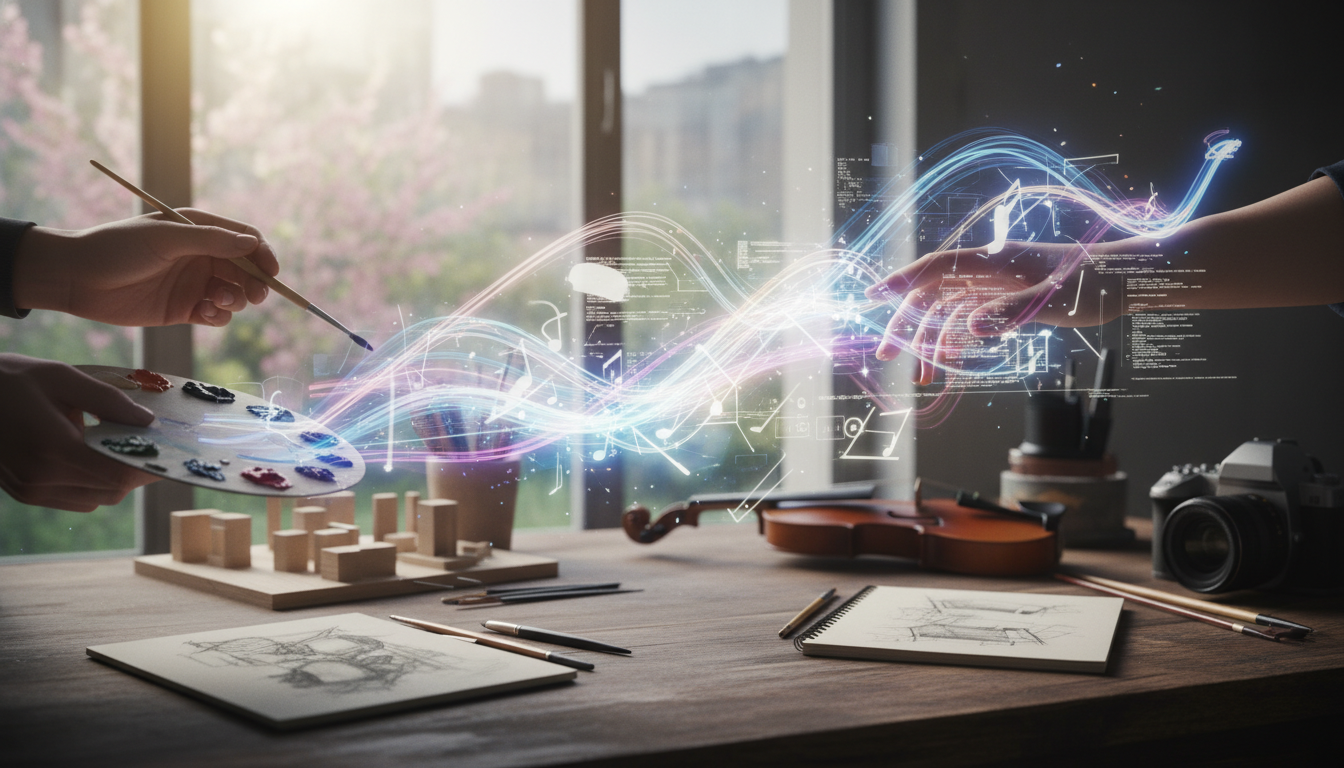
Artificial intelligence has become a fixture in creative fields, but its impact on human imagination remains contested. Now, in 2026, with generative models and large language tools in daily use, the question is whether AI genuinely expands our creative abilities or simply makes us dependent on automated suggestions. I think the answer depends on how these systems are integrated and whether users remain critical about their influence. This article examines both sides of the argument - AI’s ability to support creativity and the risks it poses to authentic innovation - drawing on recent developments in machine learning and neural networks.
The Promise of AI as a Creative Ally
AI has fundamentally changed how people approach creative projects. Sophisticated neural networks can process huge volumes of data to generate ideas, art, and music quickly. For example, since 2023, large language models (LLMs) have helped writers brainstorm plot twists, rephrase sentences, or organize outlines, acting as a digital collaborator rather than a replacement. Artists and designers now use generative tools to experiment with visual styles, even if they lack access to expensive software or formal training.
From my experience, AI often sparks fresh directions. Generative adversarial networks (GANs) have enabled musicians to blend genres, or visual artists to create digital works that would be difficult to produce by hand. In educational settings, AI platforms can offer tailored feedback, allowing students to iterate on their projects and learn from mistakes in real time. This speeds up the creative process, opening doors for people who might have been limited by traditional methods or resources.
What’s interesting is the way AI companies are starting to build ethical guardrails into their products. Some tools restrict their outputs to prompts or drafts, requiring human input for completion. This approach keeps humans at the center of the creative process. As someone who follows AI trends, I see these safeguards as a way to help more people contribute to innovation - whether that’s in digital art, writing, or music - without letting automation take over completely.
The Hidden Risks: AI's Threat to Authentic Innovation
But relying on AI for creativity isn’t without drawbacks. Neural networks trained on massive datasets can produce content that seems novel but is actually a remix of old patterns. In 2025, research from several AI labs showed that LLMs often generate "creative echoes," repeating styles and ideas from their training data. This can make creative output feel formulaic, even if it looks original at first glance.
- Bias amplification: AI models reflect the biases of their training sets. If a tool is trained mostly on Western art or popular genres, it can ignore less-represented voices and styles, narrowing the definition of what counts as creative.
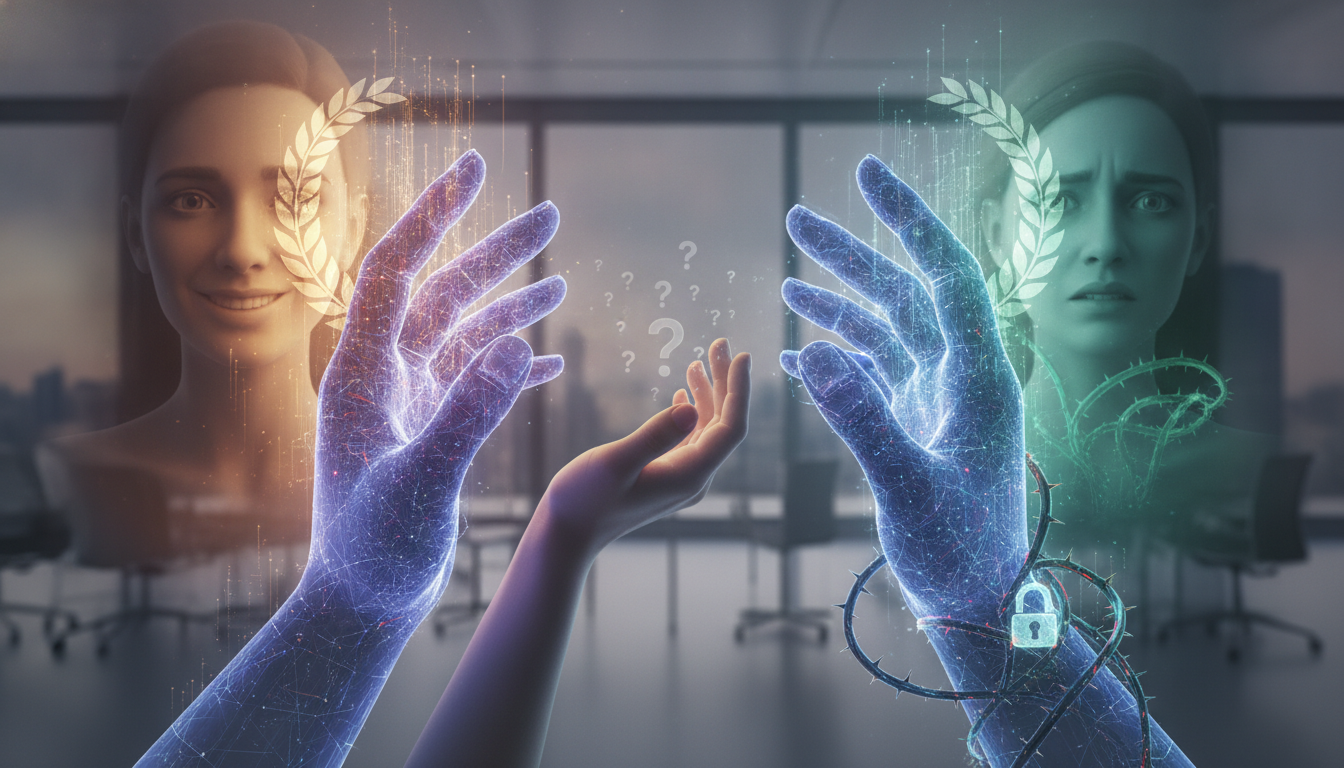
- Over-dependence: If creators get used to AI suggestions, they may stop developing their own ideas. It’s similar to how relying on GPS can erode your ability to navigate intuitively. This could lead to reduced critical thinking and less willingness to take creative risks.
- Intellectual property concerns: AI often generates content by combining elements from existing works. This has led to legal disputes over ownership and attribution, especially in writing and music, which might discourage original contributions or complicate collaboration.
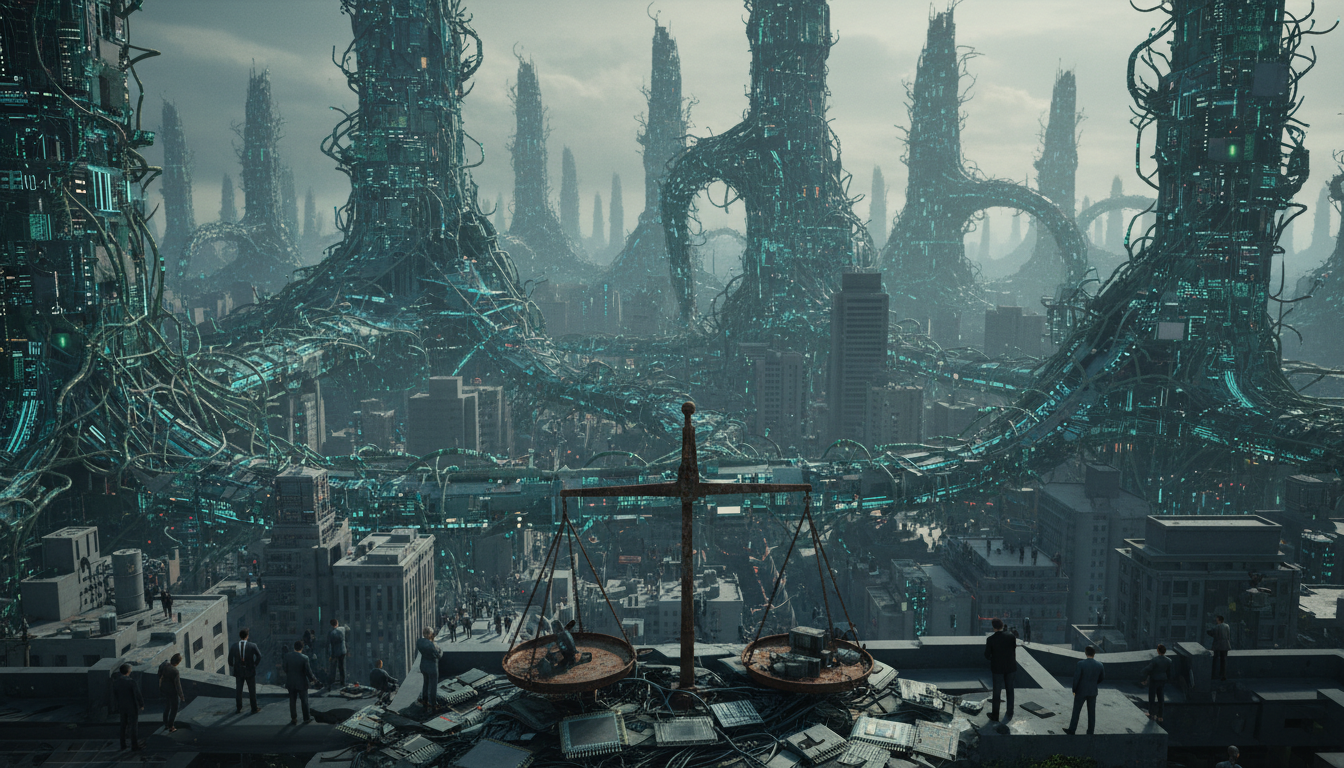
I believe these risks point to the need for a more thoughtful approach to AI integration. While the tech community celebrates faster, more efficient models, we should ask whether these tools really support creativity or just automate it. Neural networks excel at recognizing patterns and remixing ideas, but they rarely produce the kind of accidental breakthroughs that human experimentation yields - like the discovery of new artistic styles or scientific phenomena.
Striking a Balance: My Stance on Responsible AI Integration
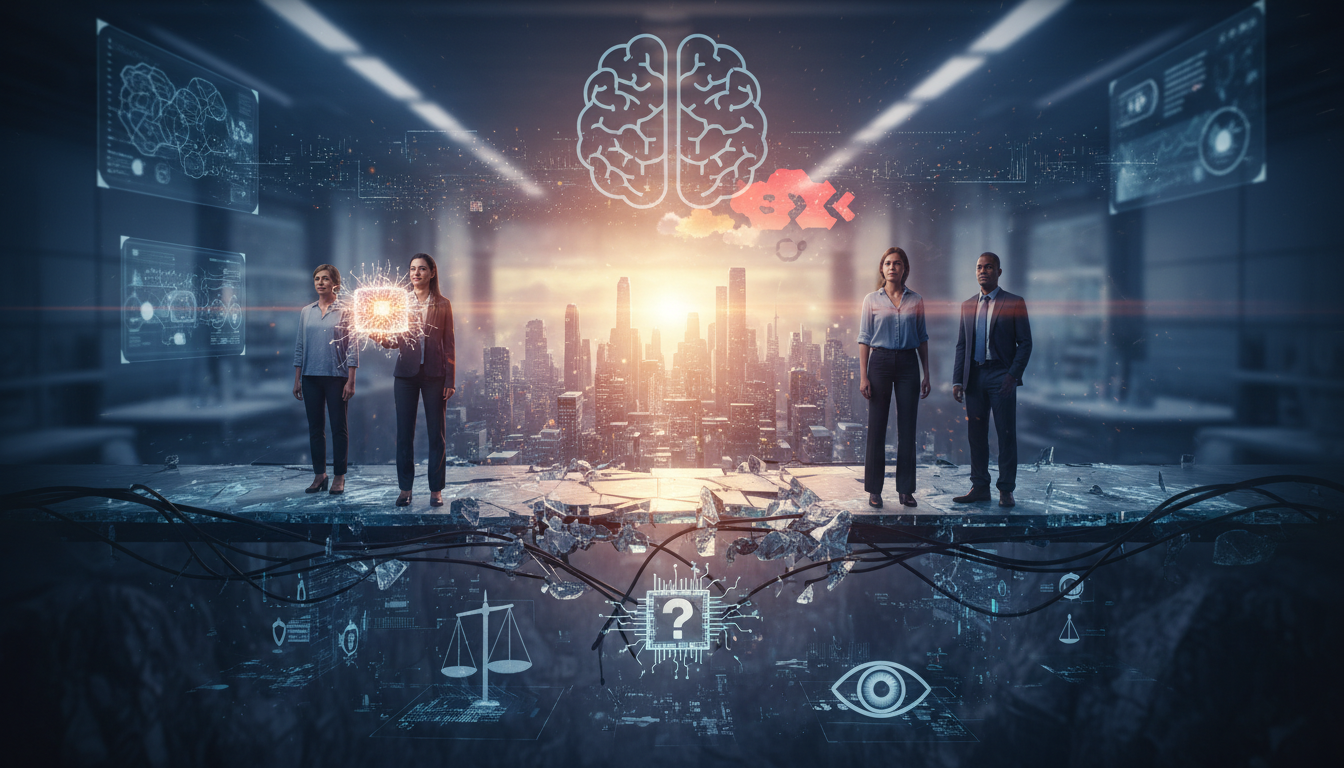
To make the most of AI without sacrificing originality, I recommend treating it as a resource rather than a replacement. Developers and policymakers should require transparency about how models generate creative outputs. For example, "creativity audits" could track whether AI tools encourage diversity and unique ideas or simply repeat what’s popular.
There are practical steps to consider. Educational programs should teach AI literacy, helping users understand how to evaluate suggestions critically and combine them with their own thinking. Researchers can design models that incorporate human feedback in real time, allowing creators to guide the process and preserve authenticity. Collaboration between technologists and creative professionals will be essential - tools built with input from writers, artists, and musicians are more likely to support rather than undermine human creativity.
Personally, I see AI as an extension of our creative toolkit, not a substitute. Used wisely, it can help more people participate in creative work and push boundaries. But if we let automation take the lead, innovation risks becoming formulaic and disconnected from human experience. As we head deeper into 2026, those of us involved in the AI ecosystem need to demand tools that empower rather than overshadow human contributors.
2026 Update
AI-generated content is now widely used in both professional and amateur creative fields. With rapid advances in generative models, readers should check whether their preferred tools offer clear attribution and allow for human editing. Staying informed about new AI features and copyright policies is essential to avoid unintentional plagiarism or bias amplification.
Final Thoughts: Navigating AI and Human Creativity
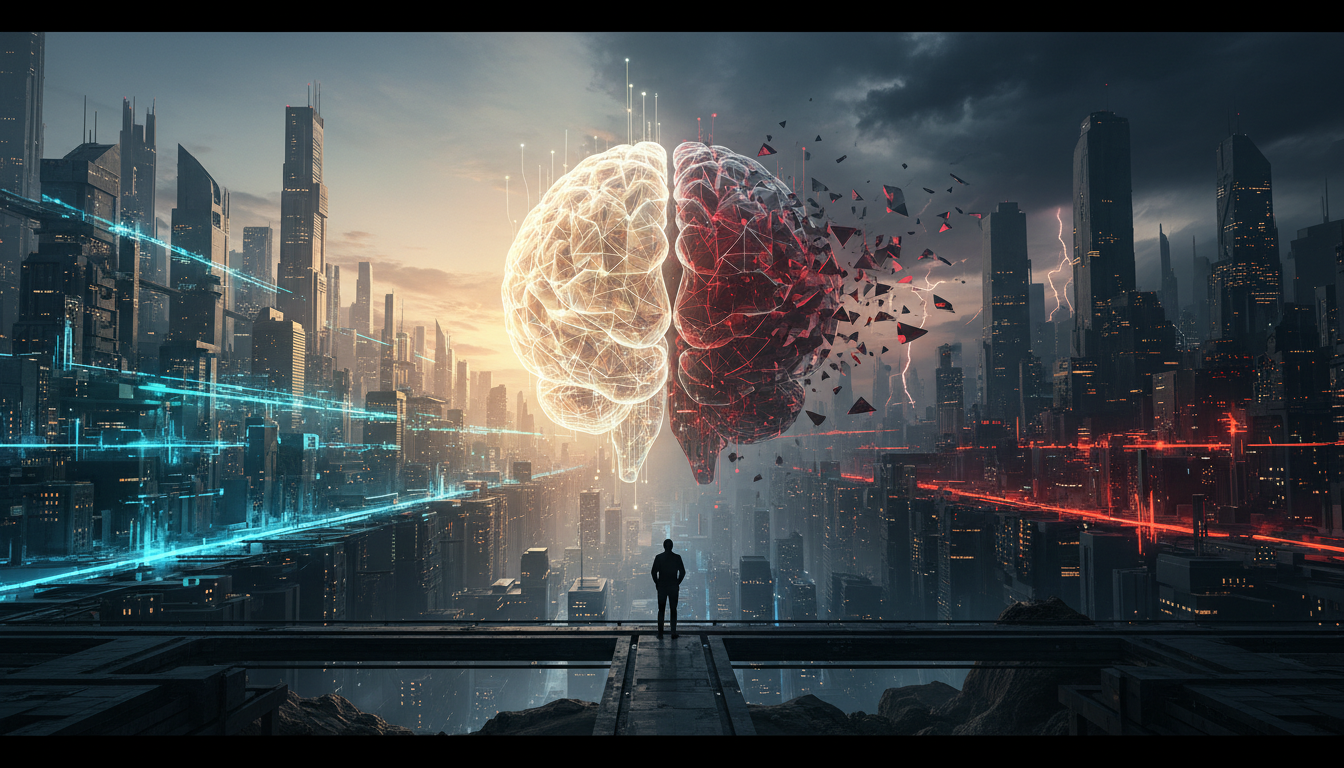
The intersection of AI and creativity is a paradox. Machine learning and neural networks open up new possibilities, but they also carry risks that can undermine the uniqueness of human expression. I think the best path forward is to embrace AI’s benefits while remaining alert to its shortcomings. By insisting on transparency, diversity, and collaboration, we can ensure technology supports rather than replaces creative work. The challenge now is to build systems that expand our imagination without letting algorithms dictate what creativity means.