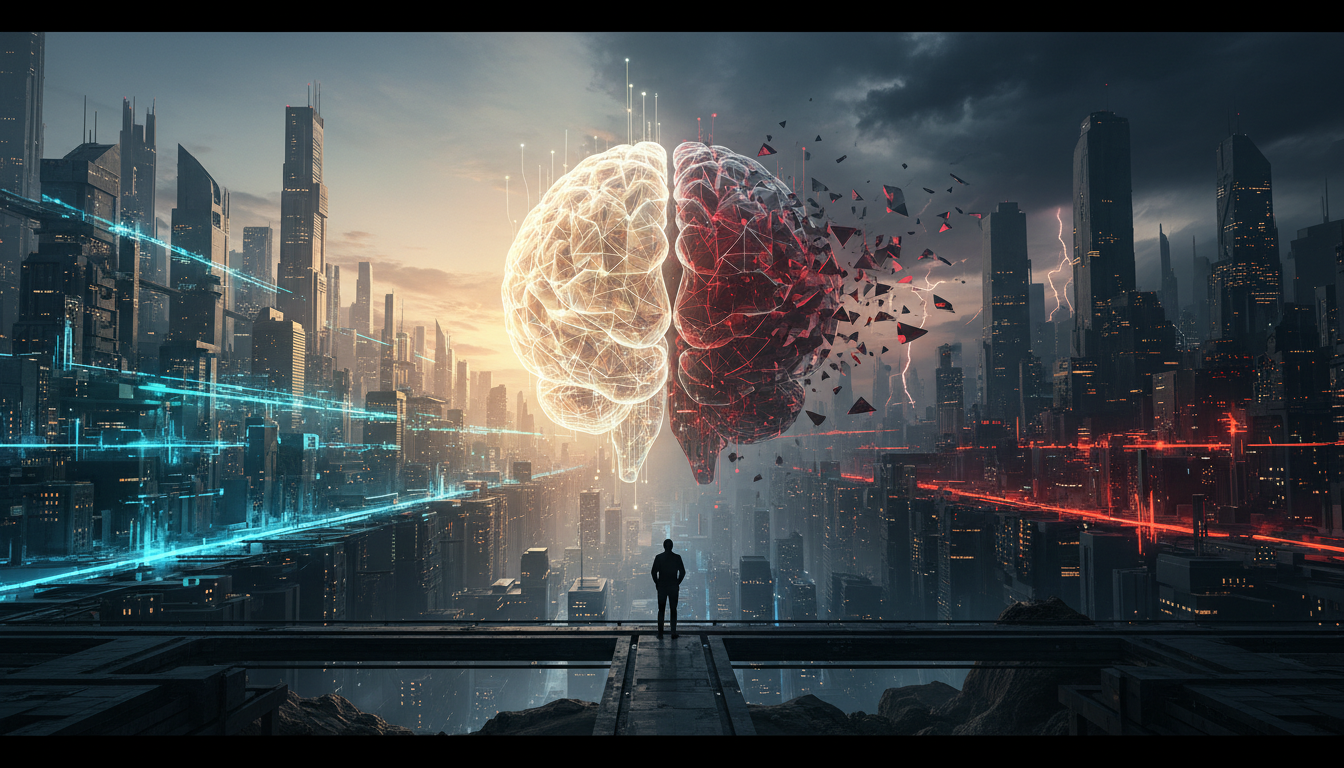

In the rapidly evolving landscape of artificial intelligence, the debate over explainable AI (XAI) has intensified. As we stand in 2026, with neural networks powering everything from autonomous vehicles to medical diagnostics, the question arises: Is XAI a vital safeguard for ethical AI deployment, or does it hinder the very innovation that makes AI transformative? In this opinion piece, I'll argue that while explainable AI is essential for building trust and mitigating risks, an overemphasis on it could stifle the creative potential of machine learning systems.
The Core Promise of Explainable AI
At its heart, explainable AI aims to make the decision-making processes of AI models transparent and understandable to humans. Unlike traditional black-box neural networks, which operate as complex, opaque systems, XAI techniques allow us to peer inside the algorithmic machinery. For instance, methods like LIME (Local Interpretable Model-agnostic Explanations) and SHAP (SHapley Additive exPlanations) break down predictions into human-readable components. This transparency is particularly crucial in high-stakes applications such as criminal justice algorithms or financial lending models, where biased outcomes could perpetuate inequality.
From my perspective, the push for XAI is a direct response to the AI industry's growing pains. We've seen instances where large language models (LLMs) generate harmful content or reinforce stereotypes, highlighting the need for accountability. In 2026, with regulations like the AI Act in full swing, XAI isn't just a nice-to-have; it's a necessity for compliance. However, I worry that mandating explainability for every AI system might create a one-size-fits-all approach that overlooks the nuances of different machine learning paradigms.
The Challenges and Trade-Offs in Pursuing XAI
Implementing explainable AI isn't without its hurdles. One major challenge is the trade-off between model accuracy and interpretability. Advanced neural networks, especially deep learning models, achieve state-of-the-art performance by layering thousands of neurons and connections. Forcing these models to be more interpretable often means simplifying their architecture, which can lead to reduced effectiveness. In my view, this is a significant concern for fields like drug discovery, where even a slight dip in accuracy could delay life-saving treatments.
Moreover, the computational cost of XAI methods can be prohibitive. Techniques that provide explanations require additional processing power, potentially slowing down real-time applications such as autonomous drones or predictive maintenance in manufacturing. As someone who's followed the AI industry closely, I see this as a potential barrier to innovation, especially for startups and smaller firms that can't afford the extra resources. Is it worth sacrificing speed and efficiency for the sake of explainability?
- Pros of XAI: Enhances trust in AI systems, reduces risks of bias, and fosters ethical development.
- Cons of XAI: May compromise model performance, increase development costs, and limit the complexity of AI solutions.
- Real-world example: In healthcare, XAI could help doctors understand AI-driven diagnoses, but it might not be feasible for every neural network-based tool.
Personally, I believe the AI community should adopt a balanced approach. Not every model needs to be fully explainable; instead, we could prioritize XAI for critical applications while allowing more flexibility for exploratory research in machine learning.
The Ethical Imperative Versus Innovation Momentum
Ethically, explainable AI aligns with the broader discourse on AI risks. The potential for unintended consequences, such as AI systems making decisions based on flawed data, underscores the need for human oversight. In 2026, as LLMs continue to evolve and integrate with other technologies like computer vision, the lack of explainability could exacerbate issues like misinformation or privacy breaches. I advocate for XAI as a moral compass, ensuring that AI advancements serve humanity without causing harm.
Yet, from an innovation standpoint, overly rigid explainability requirements might discourage experimentation. Think about the early days of neural networks - their 'black box' nature allowed for breakthroughs in image recognition and natural language processing. If we had demanded full transparency from the outset, we might still be stuck with rule-based systems. In my opinion, the AI industry should invest in hybrid models that combine the power of complex neural networks with selective explainability features, rather than enforcing a blanket policy.
Looking Ahead: A Path Forward for AI Development
As we move deeper into 2026, the future of explainable AI hinges on collaboration between researchers, policymakers, and industry leaders. Initiatives like open-source XAI frameworks are promising, as they democratize access to tools that can make machine learning more interpretable without derailing progress. I envision a world where AI ethics and innovation coexist, with XAI serving as a tool for empowerment rather than a constraint.
In conclusion, while I firmly support the integration of explainable AI to address ethical concerns and risks in machine learning, we must guard against letting it become an unnecessary burden. The key is to strike a balance: prioritize XAI where it matters most, without stifling the creative energy that drives AI forward. Only then can we harness the full potential of artificial intelligence for a better tomorrow.