In a stunning development that has shaken the tech world, SpaceX announced on February 5, 2026, the acquisition of Elon Musk's AI startup xAI in what experts are calling the largest deal of its kind. This merger not only consolidates Musk's ambitious ventures but also signals a new era where artificial intelligence and space exploration converge. As the dust settles, competitors like Google are ramping up their efforts, while Anthropic's latest innovations are causing ripples across European markets. This article dives into the details, exploring the implications for innovation, competition, and the future of technology.
The Record-Setting Acquisition: What You Need to Know
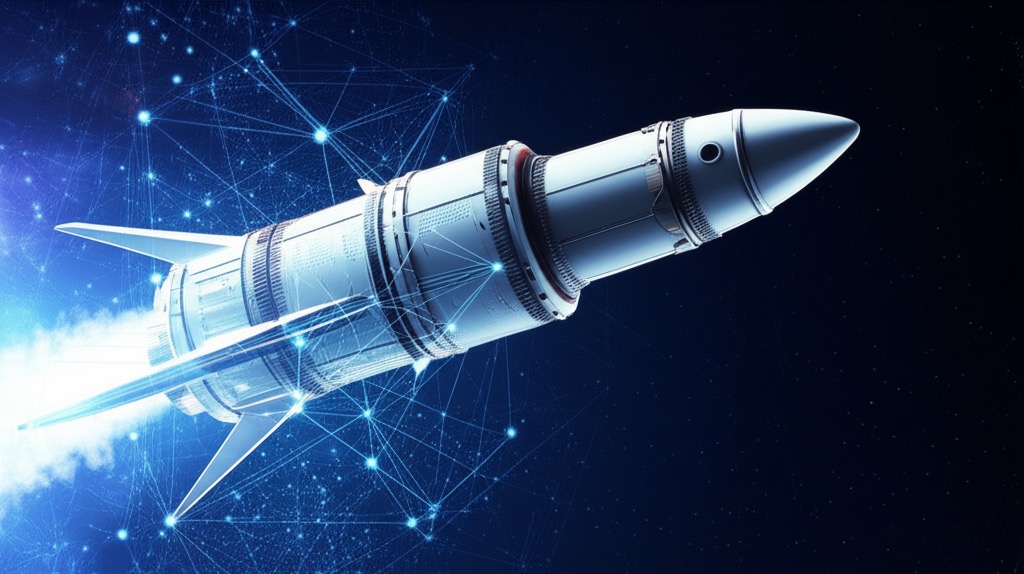
The deal between SpaceX and xAI, valued at an estimated $15 billion, marks a pivotal moment in the tech industry. Elon Musk, who founded xAI in 2023 to challenge big players like OpenAI, has long envisioned integrating advanced AI with space technology. According to official statements, the acquisition will allow SpaceX to enhance its Starlink satellite network with xAI's cutting-edge machine learning algorithms, potentially revolutionizing global internet connectivity and autonomous space missions.
This move comes at a time when AI is rapidly evolving, with applications in everything from predictive analytics to robotic exploration. Industry analysts highlight that the merger addresses key challenges in data processing for space travel, such as real-time decision-making for Mars missions. By unifying resources, Musk aims to accelerate innovation, creating synergies that could lead to breakthroughs in AI-driven rocket launches and orbital operations.
Elon Musk's Unified Vision: AI and Space Ambitions Collide
Elon Musk has always been a visionary, blending his passions for electric vehicles, neural interfaces, and now, AI-enhanced space exploration. With xAI's integration into SpaceX, Musk is positioning the company as a leader in what he calls 'the next frontier of human advancement.' This acquisition isn't just about business; it's about merging AI's computational power with SpaceX's engineering prowess to tackle global issues like climate change and interplanetary colonization.
Experts point out that xAI's Grok AI model, known for its witty and helpful responses, could be adapted for space applications, such as optimizing fuel efficiency or predicting solar flares. This strategic alignment is expected to create thousands of jobs in AI research and development, boosting economies in regions like Texas and California. However, critics worry about potential monopolistic tendencies, urging regulators to monitor the deal closely for antitrust issues.
Google's Bold Counterpunch: Doubling Down on AI Investments
In response to Musk's mega-deal, Google unveiled plans to double its AI spending to over $50 billion in 2026, aiming to maintain its dominance in search and cloud computing. This announcement, made just days after the SpaceX-xAI news, underscores the intensifying competition in the AI sector. Google's strategy includes expanding its DeepMind labs and partnering with quantum computing firms to outpace rivals.
The tech giant's move is seen as a direct reaction to the potential threats posed by integrated AI-space technologies. By investing heavily, Google hopes to enhance its AI tools for everyday users, from improved Google Assistant features to advanced data analytics for businesses. This escalation could lead to a wave of innovation but also raise concerns about data privacy and ethical AI use, as governments worldwide scrutinize big tech's influence.
Anthropic's AI Tools Spark Market Turmoil in Europe
Meanwhile, Anthropic's release of new AI-powered legal tools has triggered a significant selloff in European data service companies, including Pearson and Experian. These tools, designed to automate contract analysis and compliance checks, promise to streamline legal processes for businesses, potentially disrupting traditional data management firms. The announcement led to a 15% drop in Pearson's shares and a 10% decline for Experian, as investors fear obsolescence in the face of AI efficiency.
- Key features of Anthropic's tools include natural language processing for legal document review.
- This development highlights how AI is reshaping industries beyond tech, affecting sectors like education and finance.
- European regulators are now debating new policies to protect jobs and ensure fair competition in the AI market.
The selloff serves as a stark reminder of AI's disruptive potential, with experts predicting that companies must adapt quickly or risk being left behind. This event ties into the broader narrative of Musk's acquisition, illustrating how interconnected the global tech ecosystem has become.
Broad Implications: The Future of AI and Tech Competition
The SpaceX-xAI merger, combined with Google's aggressive spending and Anthropic's innovations, paints a picture of a rapidly evolving tech landscape. This wave of activity could accelerate AI adoption across industries, from healthcare to transportation, but it also brings challenges like job displacement and ethical dilemmas. Policymakers are urged to develop frameworks that balance innovation with consumer protection.
For investors, these developments offer opportunities in AI stocks and related sectors, though volatility remains high. As Musk pushes boundaries, the industry might see increased collaboration between public and private entities, fostering advancements in areas like sustainable energy and space tourism. Ultimately, this era could define the next decade of technological progress.
Conclusion: Navigating the New Tech Frontier
As we reflect on these groundbreaking announcements, it's clear that 2026 is shaping up to be a transformative year for AI and space technology. Elon Musk's acquisition of xAI exemplifies bold leadership, while responses from Google and Anthropic highlight the fierce competition ahead. By staying informed and adaptable, businesses and individuals can harness these changes for a brighter future.