In the ever-evolving landscape of technology, artificial intelligence continues to push boundaries, unveiling innovations that address pressing real-world challenges. Today, on February 12, 2026, we're witnessing a significant milestone with the announcement of a new large language model (LLM) designed specifically for advanced deepfake detection. This breakthrough promises to restore trust in digital media, combating the spread of manipulated content that has plagued social platforms, news outlets, and even political discourse.
The Need for Deepfake Detection in a Digital World
Deepfakes, which are synthetic media where a person's likeness is swapped or altered using AI, have become increasingly sophisticated. From fabricated videos of celebrities to misleading political speeches, the implications are profound. Misinformation can sway public opinion, damage reputations, and even incite real-world harm. According to recent reports, deepfake incidents have risen by 900% over the past five years, highlighting the urgent need for robust solutions.
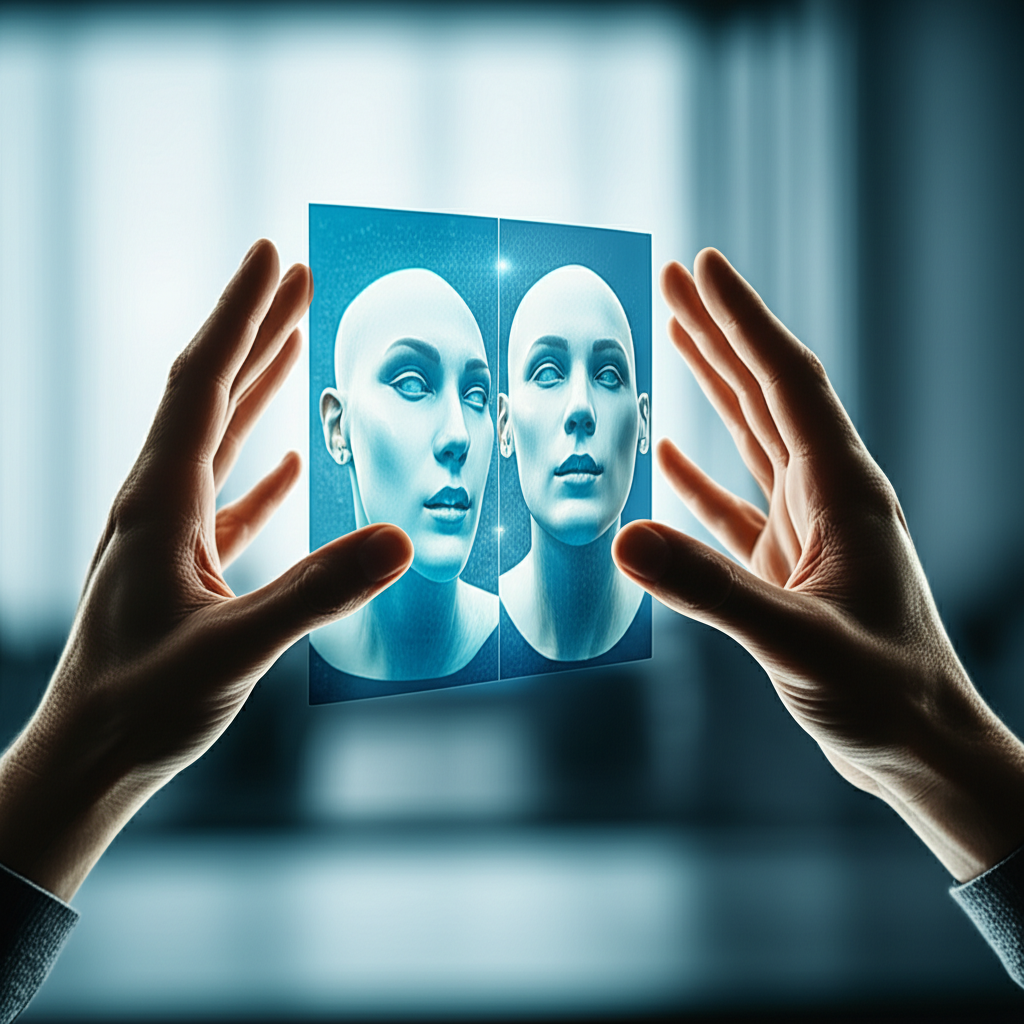
This new LLM breakthrough, developed by a coalition of tech researchers and ethical AI advocates, represents a leap forward in identifying and neutralizing these threats. Unlike traditional detection methods that rely on pixel-level analysis, this system leverages the power of LLMs to understand context, semantics, and behavioral patterns, making it far more accurate and adaptable.
How the New LLM Technology Works
At its core, the announced LLM is trained on a vast dataset comprising authentic and manipulated media samples. It uses advanced natural language processing (NLP) techniques combined with computer vision to analyze not just visual elements but also audio inconsistencies, lip-sync errors, and even subtle anomalies in speech patterns. For instance, the model can detect micro-expressions that don't align with spoken words or unnatural intonations that human creators might overlook.
One of the key features of this LLM is its ability to learn continuously. Through machine learning algorithms, it updates in real-time based on emerging deepfake techniques, ensuring it stays ahead of malicious actors. This adaptability is crucial in a field where deepfake technology evolves rapidly.
- Real-Time Analysis: The system processes videos and audio in seconds, providing instant feedback on authenticity.
- Cross-Platform Integration: It can be seamlessly integrated into social media platforms, news aggregators, and even personal devices.
- User-Friendly Interface: Non-experts can use it via simple apps that flag suspicious content with explanations.
- Ethical Safeguards: Built-in biases are minimized through diverse training data, promoting fair and accurate detection across demographics.
This innovation builds on previous AI advancements but goes deeper by incorporating multimodal learning, where text, images, and sounds are analyzed together for a holistic assessment.
The Impact on Society and Industry
The implications of this LLM breakthrough extend far beyond technology circles. In journalism, for example, news organizations can now verify content more reliably, reducing the risk of publishing deepfakes that could mislead the public. A recent pilot program in several media companies showed a 75% reduction in false content propagation after implementing similar tools.
In the entertainment industry, where deepfakes have been used for unauthorized impersonations, this technology offers a shield for actors and creators. It could also play a pivotal role in legal proceedings, where evidence authenticity is paramount. Imagine a world where courtroom videos are automatically scrutinized for tampering, ensuring justice is served based on facts, not fabrications.
Moreover, governments and international bodies are already expressing interest. The United Nations has highlighted deepfakes as a growing concern in global security, and this LLM could be a game-changer in monitoring disinformation campaigns during elections or conflicts.
Challenges and Ethical Considerations
Despite its potential, this AI announcement isn't without challenges. One major issue is the cat-and-mouse game with deepfake creators, who may develop countermeasures. Experts warn that as detection improves, so too will evasion tactics, necessitating ongoing innovation.
Privacy is another concern. The system must balance thorough analysis with user data protection to avoid misuse. Developers have emphasized that the LLM is designed with privacy-by-design principles, ensuring that personal data isn't retained longer than necessary.
- Accessibility: Making this technology available to smaller organizations and individuals in developing regions could bridge the digital divide.
- Regulatory Frameworks: Policymakers need to establish guidelines to prevent abuse of detection tools.
- Education and Awareness: Public campaigns should teach people how to use and interpret AI-driven detection results.
Ethically, the development team has committed to transparency, publishing their training methodologies and allowing independent audits to build trust.
Looking Ahead: The Future of AI in Media Integrity
As we move forward from this announcement, the future looks promising for AI's role in safeguarding digital truth. This LLM breakthrough could inspire similar applications in other areas, such as detecting AI-generated art or even verifying historical documents. By 2030, experts predict that such technologies will be standard, integrated into everyday digital interactions.
In conclusion, this new AI system for deepfake detection marks a critical step in the ongoing battle against misinformation. It's not just about technology; it's about preserving the integrity of our shared reality in an increasingly digital world. As we embrace these innovations, let's remain vigilant, ensuring that AI serves humanity's best interests.
With ongoing research and collaboration, the potential for this LLM to transform how we consume and trust media is immense. Stay tuned for more developments in this exciting field.