
In the rapidly evolving world of artificial intelligence, 2026 marks a pivotal year for Edge AI, a technology that brings machine learning capabilities directly to devices, enabling real-time processing without reliance on central servers. This innovation is transforming how AI operates, making it faster, more efficient, and accessible in ways we couldn't have imagined just a few years ago. As we dive into this breakthrough, we'll explore the core technologies driving it, the latest advancements, and what it means for the future of AI deployment.
Understanding Edge AI and Its Foundations in Machine Learning
At its core, Edge AI refers to the deployment of AI algorithms, including neural networks and machine learning models, directly on edge devices such as smartphones, IoT sensors, and autonomous drones. Unlike traditional cloud-based AI, which processes data in remote data centers, Edge AI handles computations locally. This shift is powered by advancements in machine learning frameworks that optimize neural networks for low-power environments.
Machine learning plays a starring role here, with techniques like transfer learning and quantized neural networks allowing models to run efficiently on devices with limited resources. For instance, recent developments in 2026 have seen companies refining these models to reduce latency and energy consumption, making Edge AI ideal for applications requiring immediate responses, such as predictive maintenance in manufacturing or real-time anomaly detection in security systems.
Key Breakthroughs in Edge AI for 2026
This year has brought several exciting breakthroughs in Edge AI, particularly in how large language models (LLMs) and neural networks are being adapted for edge environments. One notable advancement is the integration of lightweight LLMs that can perform natural language processing tasks directly on devices. These models, trained using federated learning techniques, allow for personalized AI experiences without compromising user privacy.
Leading AI companies have announced new tools that enable seamless deployment of machine learning models on the edge. For example, enhanced neural network architectures now support on-the-fly adaptation, where models learn from local data in real time. This is a game-changer for industries like telecommunications, where Edge AI can process vast amounts of data from network devices to predict and prevent outages instantly.
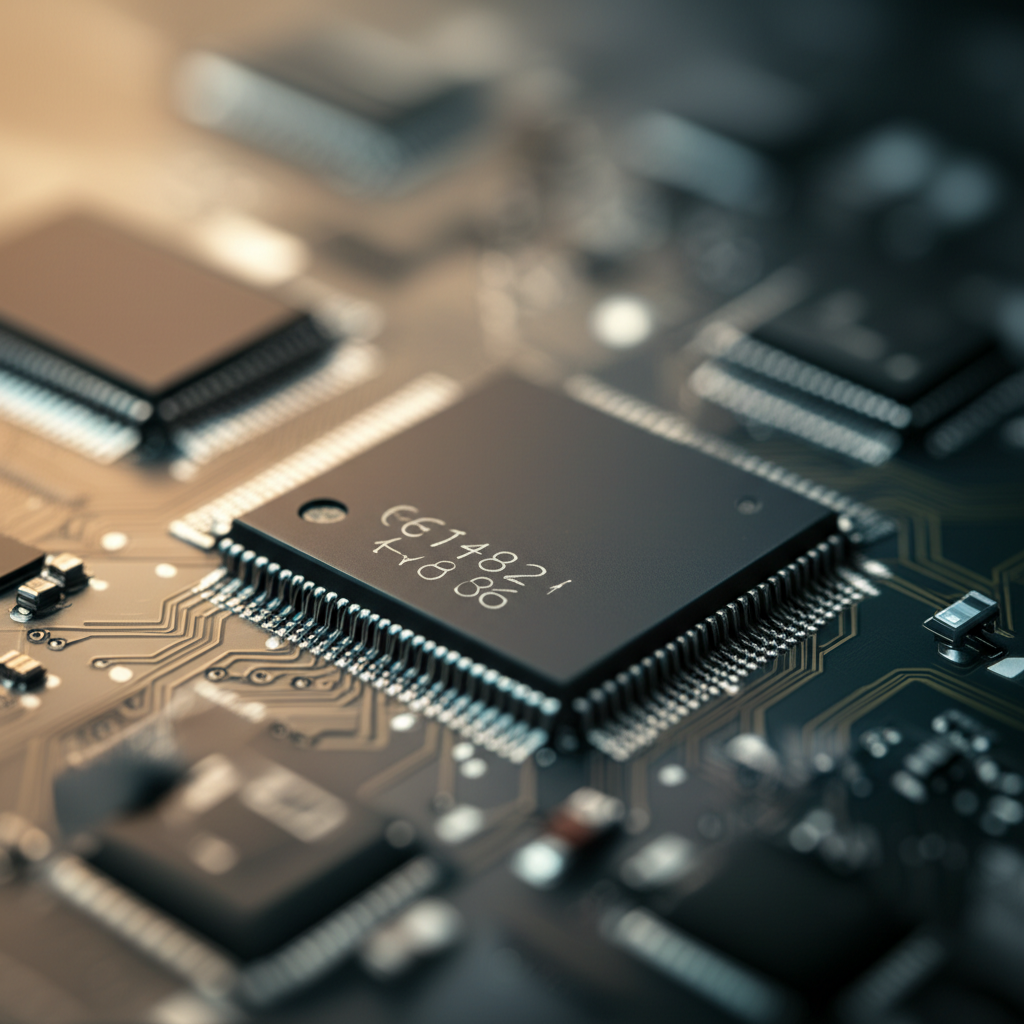
Another breakthrough involves the use of specialized hardware accelerators, such as AI chips designed for edge computing. These chips leverage advanced machine learning algorithms to handle complex computations, pushing the boundaries of what's possible with on-device AI. As a result, we're seeing a surge in applications that were once cloud-dependent, now operating with minimal internet connectivity.
The Benefits of Edge AI in Machine Learning Applications
Edge AI offers numerous advantages that are reshaping the AI landscape. First and foremost, it significantly reduces latency. By processing data at the source, decisions can be made in milliseconds, which is crucial for time-sensitive applications like autonomous vehicles or medical monitoring devices.
Additionally, Edge AI enhances data privacy and security. With processing happening locally, sensitive information doesn't need to be transmitted to the cloud, reducing the risk of breaches. This is particularly important in sectors handling personal data, where regulatory compliance is a top priority.
- Improved efficiency: Machine learning models on the edge consume less power, extending battery life in portable devices.
- Scalability: Edge AI allows for distributed computing, making it easier to scale AI applications across vast networks without overwhelming central servers.
- Cost savings: By minimizing data transfer and storage needs, organizations can reduce operational costs associated with cloud services.
- Robustness: Edge systems can operate offline, ensuring continuity even in areas with poor connectivity.
From a machine learning perspective, these benefits translate to more accurate and adaptive models. Neural networks trained on edge devices can incorporate real-world data faster, leading to continuous improvement without the delays of centralized training.
Challenges and Future Outlook for Edge AI
Despite its promising advancements, Edge AI isn't without challenges. One major hurdle is the complexity of managing and updating machine learning models across a multitude of devices. Ensuring that these models remain accurate and secure requires sophisticated orchestration tools, which are still evolving in 2026.
Another issue is the resource constraints of edge devices. While progress in neural network optimization has been remarkable, not all machine learning tasks can be efficiently run on limited hardware. Researchers are actively working on solutions, such as hybrid models that combine edge and cloud processing for more demanding applications.
Looking ahead, the future of Edge AI in 2026 and beyond is bright. Experts predict a surge in collaborative efforts between AI hardware manufacturers and software developers to create standardized frameworks. This could lead to widespread adoption in emerging fields like smart cities and personalized AI assistants, further integrating machine learning into everyday life.
Real-World Applications of Edge AI in 2026
In practice, Edge AI is already making waves across various sectors. In manufacturing, machine learning-powered edge devices are monitoring equipment in real time, predicting failures before they occur and minimizing downtime. In the realm of consumer electronics, smartphones are now equipped with advanced neural networks that enable features like on-device voice recognition and image processing without internet access.
The healthcare industry is another beneficiary, with wearable devices using Edge AI to analyze vital signs instantly, alerting users to potential health issues. These applications underscore the versatility of machine learning in edge environments, demonstrating how AI technology is becoming more embedded in our daily routines.
As we wrap up, it's clear that Edge AI represents a significant leap forward in artificial intelligence. By harnessing the power of machine learning and neural networks at the edge, we're unlocking new possibilities for real-time, efficient, and secure AI solutions. The innovations of 2026 are just the beginning, paving the way for a more intelligent and connected world.