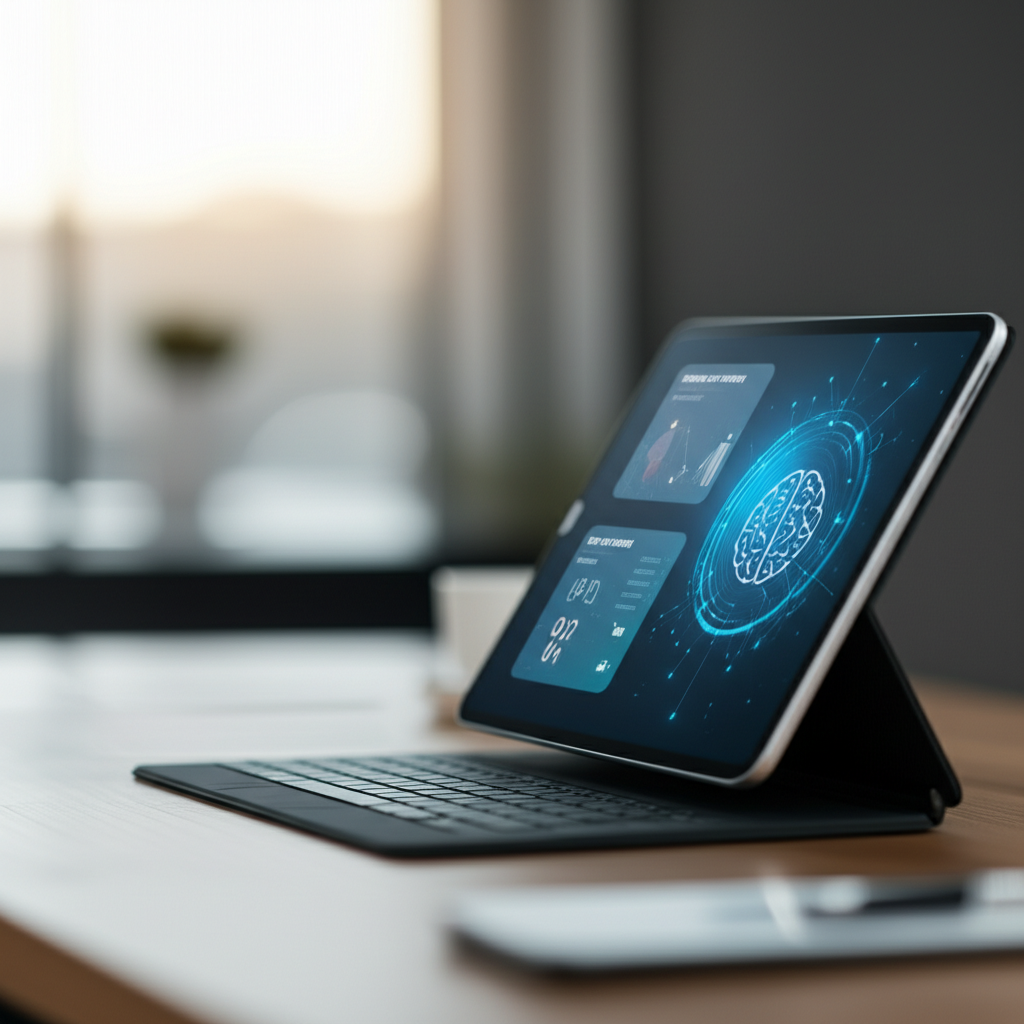
In the fast-paced world of 2026, where time is a precious commodity, artificial intelligence has emerged as a game-changer for personal productivity. From managing schedules to automating mundane tasks, AI-powered apps are transforming how individuals organize their lives, making routines more efficient and less stressful. This article explores the innovative ways AI is weaving into everyday productivity tools, offering insights into its benefits, challenges, and future potential.
The Rise of AI in Personal Productivity
Artificial intelligence has evolved rapidly since its early days, and by February 2026, it's no longer just about smart assistants like Siri or Alexa. Instead, AI is deeply integrated into productivity apps that help users prioritize tasks, predict needs, and streamline workflows. This shift began with machine learning algorithms analyzing user behavior, but advancements in large language models (LLMs) have taken it to new heights. For instance, apps now use predictive analytics to suggest the best times for meetings or breaks based on your energy levels and past performance.
One of the key drivers behind this rise is the increasing demand for work-life balance. With remote and hybrid work models still prevalent, people are seeking tools that can handle the cognitive load of daily planning. AI steps in by learning from your digital habits - such as email patterns, calendar entries, and even health data from wearables - to offer personalized recommendations. This isn't just about convenience; it's about reclaiming hours in your day for what truly matters.
Key Features of AI-Enhanced Productivity Apps
Modern productivity apps are packed with AI features that go beyond basic reminders. Let's break down some of the most impactful ones:
- Intelligent Task Management: AI algorithms can now auto-prioritize tasks based on deadlines, importance, and even your detected stress levels. For example, if you're overworked, the app might reschedule less critical items to the next day.
- Natural Language Processing for Notes: Thanks to LLMs like those from emerging tech, apps can transcribe voice notes, summarize meetings, and even generate action items from conversations. This means you can dictate ideas on the go, and the app will organize them into coherent lists.
- Personalized Workflow Automation: AI integrates with other tools to automate repetitive tasks. Imagine an app that not only reminds you of a deadline but also drafts emails, updates your project board, and syncs with your fitness tracker to ensure you're taking breaks.
- Data-Driven Insights: By analyzing your productivity patterns, AI provides dashboards with insights like "You're most focused in the mornings - schedule creative work then." This helps users make informed decisions about their routines.
These features are powered by sophisticated models that process vast amounts of data in real-time, making apps feel intuitive and proactive rather than reactive.
Real-World Examples and Success Stories
To illustrate AI's impact, consider popular apps that have adopted these technologies. Take a fictional yet plausible example: the updated version of a note-taking app like Evernote or Notion, enhanced with AI capabilities. Users report saving up to 30% of their workday by letting AI handle organization. In one case study from early 2026, a marketing professional used an AI-powered app to automate content scheduling, resulting in a 25% increase in output without added stress.
Another example comes from the education sector, where students use AI apps to manage study schedules. These tools analyze learning styles and suggest customized plans, leading to better retention and grades. Businesses are also jumping on board; a survey from January 2026 showed that 60% of Fortune 500 companies have integrated AI into employee productivity tools, citing improvements in efficiency and employee satisfaction.
Moreover, startups are innovating in this space. A new app, let's say "AI-Organizer Pro," uses computer vision to scan your physical workspace via your phone's camera and suggest digital organization based on clutter. Early adopters praise its ability to bridge the gap between digital and real-world productivity.
Benefits and Potential Challenges
The benefits of AI in personal productivity are manifold. Primarily, it reduces mental fatigue by handling decision-making, allowing users to focus on high-value activities. This can lead to enhanced creativity, better health outcomes, and even financial gains through increased efficiency. For instance, freelancers using AI apps have reported earning more by optimizing their billable hours.
However, there are challenges to consider. Privacy concerns arise as these apps collect extensive personal data - ensuring secure handling is paramount. Additionally, over-reliance on AI could diminish critical thinking skills, as users might depend too heavily on automated suggestions. Ethical issues, such as bias in AI recommendations, also need addressing. Developers are working on solutions, like transparent algorithms and user-controlled data settings, to mitigate these risks.
- Privacy and Security: Apps must comply with regulations like GDPR to protect user data.
- Bias Mitigation: AI should be trained on diverse datasets to avoid skewed suggestions.
- User Adoption: Not everyone is tech-savvy, so intuitive interfaces are key to widespread use.
Despite these hurdles, the overall consensus is that the advantages outweigh the drawbacks when implemented thoughtfully.
The Future Outlook for AI in Productivity
Looking ahead, the integration of AI into personal productivity apps is set to deepen. By late 2026, we might see advancements in quantum computing enabling even faster, more accurate predictions. Imagine apps that not only organize your day but also anticipate life events based on global trends, like suggesting travel plans when economic indicators point to a boom.
Experts predict that by 2027, AI will evolve to include emotional intelligence, detecting user frustration through voice or typing patterns and offering interventions like guided meditations. This could revolutionize mental health integration in productivity tools. As of February 2026, ongoing developments from tech giants and startups suggest a bright future, with AI making productivity more human-centered than ever before.
In conclusion, AI's role in personal productivity apps is a testament to how technology can enhance our daily lives. By embracing these tools responsibly, we can unlock new levels of efficiency and well-being in an increasingly complex world.