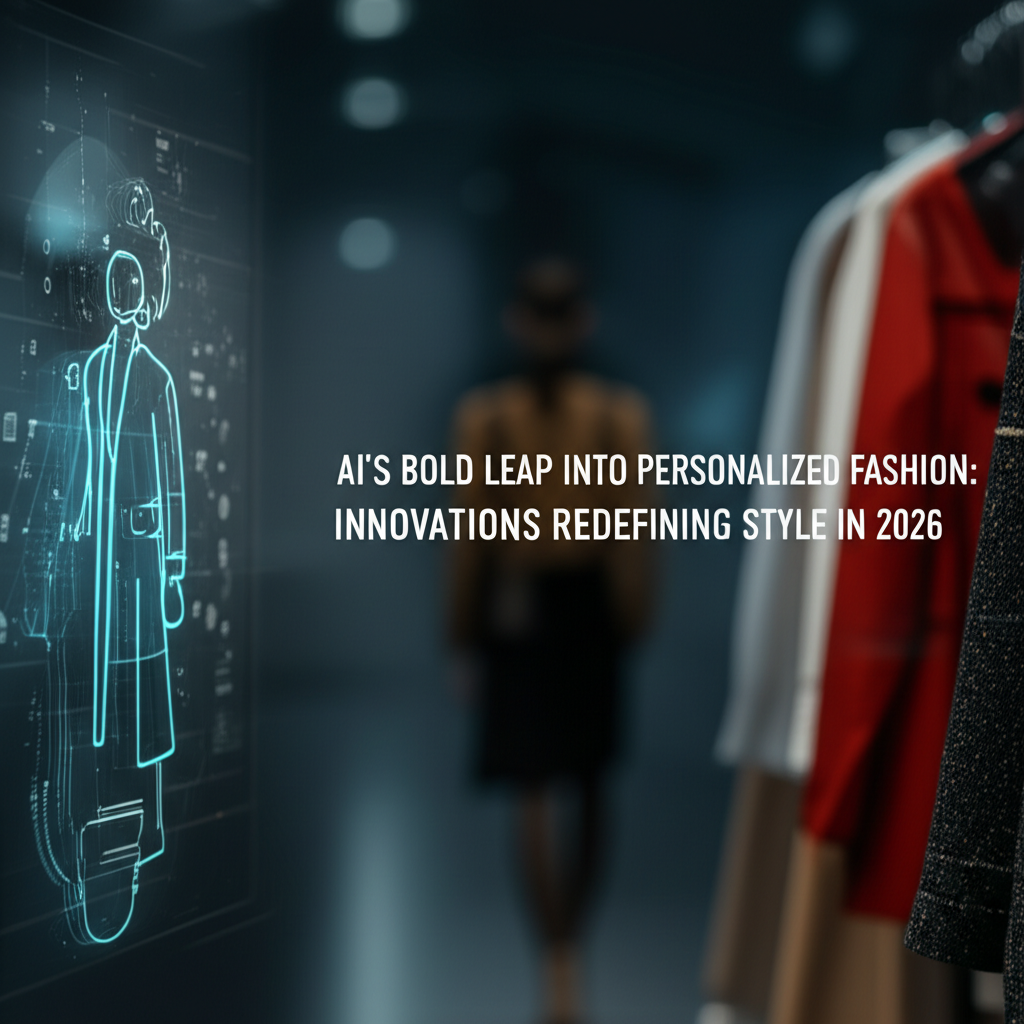
As we step into 2026, the intersection of artificial intelligence and fashion is no longer a distant dream but a vibrant reality. AI technologies are transforming how we shop, design, and wear clothes, making personalization the cornerstone of the industry. This article explores the latest advancements in AI-driven fashion tools, offering insights into how they're reshaping wardrobes worldwide and what this means for consumers and creators alike.
The Evolution of AI in Fashion
The journey of AI in fashion has been rapid and exciting. From simple recommendation algorithms a few years ago to sophisticated systems today, AI has evolved to analyze vast datasets including user preferences, body types, and even cultural trends. In 2026, we're seeing a surge in AI applications that go beyond mere suggestions, enabling real-time customizations that feel almost magical.
Key players in the tech world have been quietly rolling out updates that integrate large language models (LLMs) with image recognition and predictive analytics. For instance, new AI platforms can now generate virtual try-ons that account for lighting, fabric textures, and seasonal styles, making online shopping more accurate and enjoyable. This evolution isn't just about convenience; it's about creating a sustainable fashion ecosystem where waste is minimized through precise manufacturing.
Breakthroughs in AI Technologies for Fashion
One of the most significant breakthroughs in 2026 is the integration of advanced LLMs with computer vision, allowing AI to understand and predict fashion trends with unprecedented accuracy. These models, trained on billions of data points from social media, runway shows, and consumer behavior, can forecast emerging styles months in advance. This has led to tools that help designers create collections that resonate with diverse audiences.
For example, emerging startups are using AI to analyze text descriptions from users and translate them into custom designs. Imagine typing "a sustainable dress for a beach wedding" into an app, and receiving a 3D model tailored to your measurements and preferences. Such innovations are powered by enhanced natural language processing, making interactions more intuitive and user-friendly.
- Enhanced personalization: AI algorithms now consider factors like skin tone, body shape, and lifestyle to suggest outfits.
- Real-time trend analysis: LLMs scan global data to identify shifts, helping brands stay ahead of the curve.
- Sustainable design: By predicting demand accurately, AI reduces overproduction, cutting down on fashion waste.
- Collaborative creation: Users can co-design items with AI, blending human creativity with machine efficiency.
These breakthroughs are not isolated; they're building on foundational work from previous years, but with a focus on ethical AI that prioritizes data privacy and inclusivity.
Real-World Applications in the Fashion Industry
In 2026, AI's impact on fashion is evident across various sectors, from high-street retail to luxury brands. Major retailers are deploying AI-powered apps that offer virtual styling sessions, where users can upload photos and receive outfit recommendations in seconds. This not only boosts customer satisfaction but also drives sales by reducing return rates, which have historically plagued online fashion.
Moreover, AI is revolutionizing supply chain management. By predicting consumer demands through pattern recognition in LLMs, companies can optimize inventory and reduce environmental footprints. For instance, a popular brand might use AI to analyze social media sentiments and adjust production runs accordingly, ensuring that popular items are always in stock without excess manufacturing.
- Virtual fitting rooms: Using augmented reality, AI helps users visualize clothes on their bodies, minimizing the guesswork.
- Customized marketing: LLMs craft personalized emails and ads based on user history, enhancing engagement.
- Designer tools: AI assists in pattern making and fabric selection, speeding up the design process.
- Accessibility features: For people with disabilities, AI suggests adaptive clothing options tailored to specific needs.
These applications are democratizing fashion, making high-end personalization accessible to everyone, regardless of budget.
Challenges and Ethical Considerations
While the benefits are immense, AI in fashion isn't without challenges. One major concern is the potential for bias in algorithms, which could perpetuate unrealistic beauty standards if not addressed. In 2026, efforts are underway to train LLMs on diverse datasets to ensure fair representations across genders, ages, and body types.
Another issue is data security. As AI systems rely heavily on personal information, protecting user privacy is paramount. Regulations like the updated General Data Protection Regulation (GDPR) in Europe are pushing companies to be transparent about data usage. Additionally, the environmental impact of running these AI models, which require significant computational power, is prompting a shift towards greener technologies.
- Bias mitigation: Developers are using diverse training data to avoid skewed recommendations.
- Privacy protections: Encrypted data handling ensures user information remains secure.
- Energy efficiency: New AI models are designed to be more eco-friendly, reducing carbon emissions.
- Job displacement: There's a focus on retraining workers in the fashion industry to adapt to AI-driven processes.
Addressing these challenges is crucial for the long-term success and acceptance of AI in fashion.
The Future of AI-Enhanced Fashion
Looking ahead in 2026 and beyond, AI is set to deepen its integration into fashion, potentially leading to fully automated design studios and AI-curated wardrobes. We might see AI systems that learn from user feedback in real-time, evolving to offer even more precise suggestions. This could extend to smart fabrics that change color or fit based on AI commands, blending technology with everyday wear.
Globally, collaborations between tech firms and fashion houses are fostering innovation, with events like AI Fashion Weeks gaining popularity. As LLMs continue to advance, we can expect more seamless interactions, where voice commands or simple texts result in instant custom creations. The key will be balancing innovation with sustainability to create a fashion landscape that's both exciting and responsible.
Conclusion: Embracing the AI Fashion Revolution
In summary, AI's leap into personalized fashion is transforming the industry in profound ways, making style more accessible, efficient, and enjoyable. As we navigate this new era, it's essential for consumers, designers, and policymakers to engage with these technologies thoughtfully. By doing so, we can ensure that AI not only enhances our wardrobes but also contributes to a more inclusive and sustainable world in 2026 and beyond.