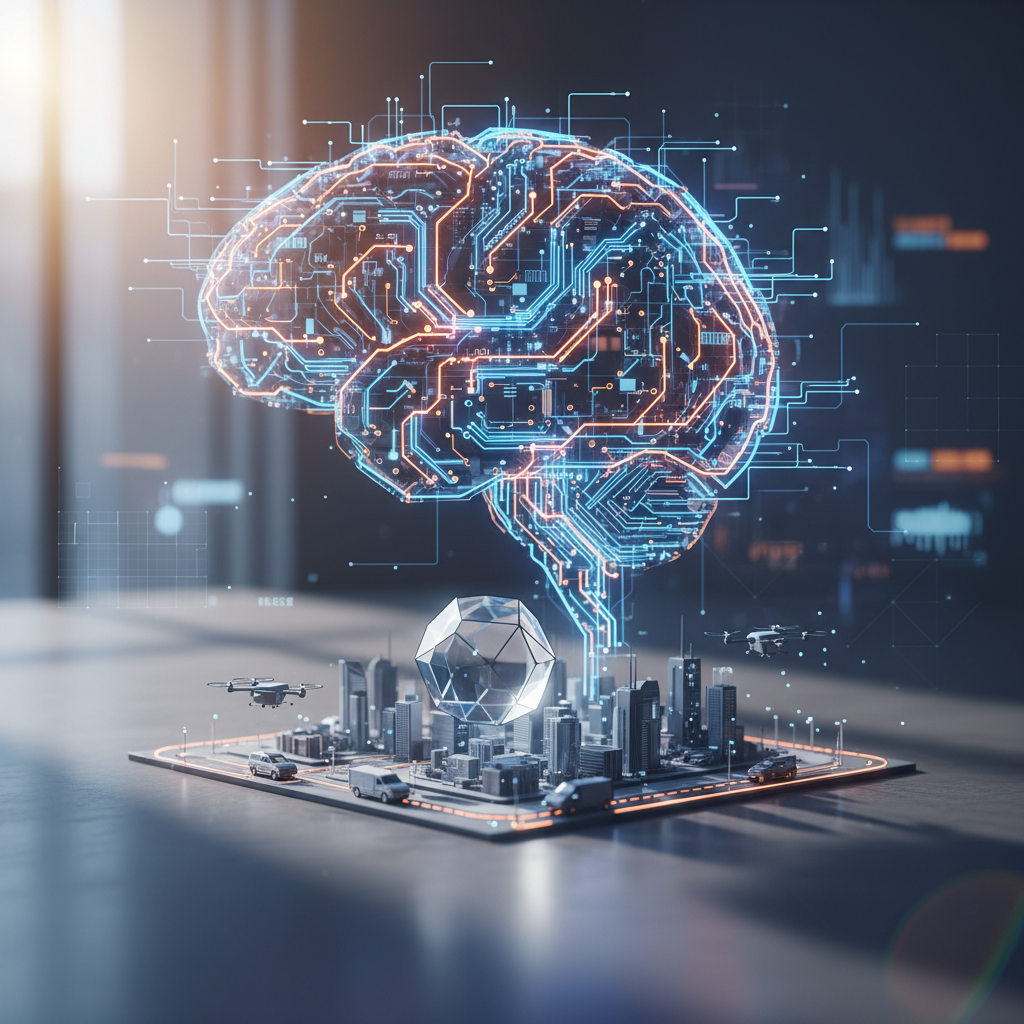

As of March 2026, the integration of artificial intelligence (A.I.) in U.S. schools is gaining unprecedented momentum, sparking both excitement and concern. From personalized learning platforms to administrative automation, A.I. is reshaping education across the country. But while many districts are betting big on this technology, New York City remains at a crossroads. Will Mayor Mamdani greenlight A.I. adoption, or will parental concerns slow the city’s progress? Meanwhile, Wall Street is buzzing about A.I.’s impact on tech stocks, and the healthcare sector projects a staggering $1.92 trillion A.I. market by 2040. Let’s dive into this transformative trend.
A.I. in U.S. Schools: A Game-Changer for Education
American schools are increasingly turning to A.I. to address long-standing challenges like teacher shortages, student engagement, and personalized learning. Tools powered by A.I. can adapt lessons to individual student needs, analyze performance data in real time, and even assist with grading. In states like California and Texas, districts report improved student outcomes and reduced administrative burdens thanks to A.I.-driven platforms.
However, the rollout isn’t without controversy. Privacy concerns, potential biases in algorithms, and the digital divide—where not all students have access to necessary technology—are major hurdles. As reported by The New York Times, 2026 could be a pivotal year in defining A.I.’s role in education, with federal and state policies likely to set the tone for decades.
New York City’s A.I. Dilemma: Progress or Pause?
In New York City, the debate over A.I. in schools is heating up. Mayor Mamdani faces pressure from tech advocates who argue that A.I. could revolutionize the city’s sprawling, often under-resourced school system. Proponents highlight benefits like tailored tutoring for struggling students and predictive analytics to identify at-risk youth before they drop out.
On the other side, many families and educators are urging caution. Concerns include data security—will student information be safe?—and the fear that A.I. might replace human teachers rather than support them. As one parent told The New York Times, 'We want innovation, but not at the cost of our children’s privacy or a teacher’s personal touch.' Mayor Mamdani’s decision, expected later this year, could set a precedent for urban districts nationwide.
Wall Street’s Take: A.I. Winners and Losers
Beyond the classroom, A.I. is making waves on Wall Street. A recent tech sell-off has analysts dissecting which companies will thrive in the A.I. boom and which might falter. According to financial strategists, there’s a 'stark contrast' among tech giants. Firms heavily invested in A.I. infrastructure—think cloud computing and machine learning chips—are poised for gains, while those slow to adapt risk being left behind.
For investors, the message is clear: A.I. isn’t just a buzzword; it’s a multi-trillion-dollar industry reshaping markets. As schools adopt A.I. tools, demand for educational tech stocks could surge, creating new opportunities for savvy investors in 2026.
A.I. in Healthcare: A $1.92 Trillion Future
While education and tech stocks dominate headlines, A.I.’s impact on healthcare is equally staggering. A March 3, 2026, report from GLOBE NEWSWIRE forecasts the A.I. healthcare market to reach $1.92 trillion by 2040. Key drivers include an aging population, rising chronic disease rates, and the explosion of health data that A.I. can analyze for better outcomes.
From enhancing diagnostic accuracy to personalizing treatments through predictive analytics, A.I. is poised to revolutionize patient care. Imagine a world where doctors use A.I. to predict heart attacks before they happen or tailor cancer therapies to a patient’s unique genetic makeup. These advancements promise not just efficiency but a shift toward preventive medicine—a trend that could save millions of lives and billions of dollars.
Challenges and Ethical Questions
Despite the optimism, A.I.’s rapid expansion raises ethical questions across sectors. In education, how do we ensure algorithms don’t perpetuate bias or widen inequality? In healthcare, who owns the vast amounts of personal data fueling A.I. systems? And on Wall Street, will A.I.-driven trading exacerbate market volatility?
Experts argue that 2026 is a critical year for regulation. Governments, including the U.S., must balance innovation with oversight to prevent misuse. As A.I. becomes ubiquitous, public trust will be paramount.
What’s Next for A.I. in 2026?
The trajectory of A.I. in 2026 points to a future where technology is deeply embedded in our lives—whether in classrooms, hospitals, or stock markets. For New York City schools, Mayor Mamdani’s upcoming decision could either position the city as a leader in ed-tech or leave it playing catch-up. Meanwhile, Wall Street’s evolving perspective on A.I. stocks and healthcare’s massive growth projections underscore the technology’s far-reaching impact.
As we navigate this A.I. revolution, one thing is clear: the decisions made this year will shape industries for generations. Will we embrace the potential while addressing the risks? Only time will tell.