Cardano’s Latest Leap: Merging Blockchain with Machine Learning
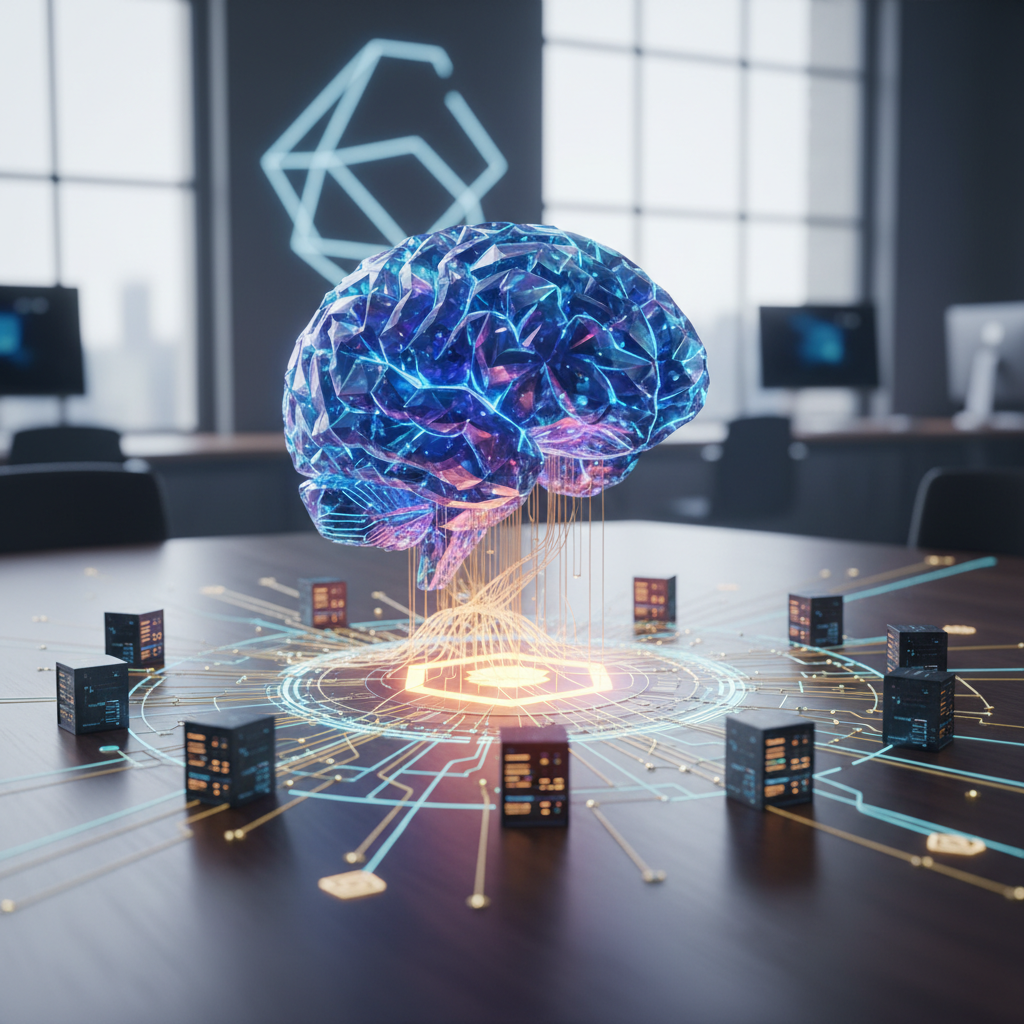
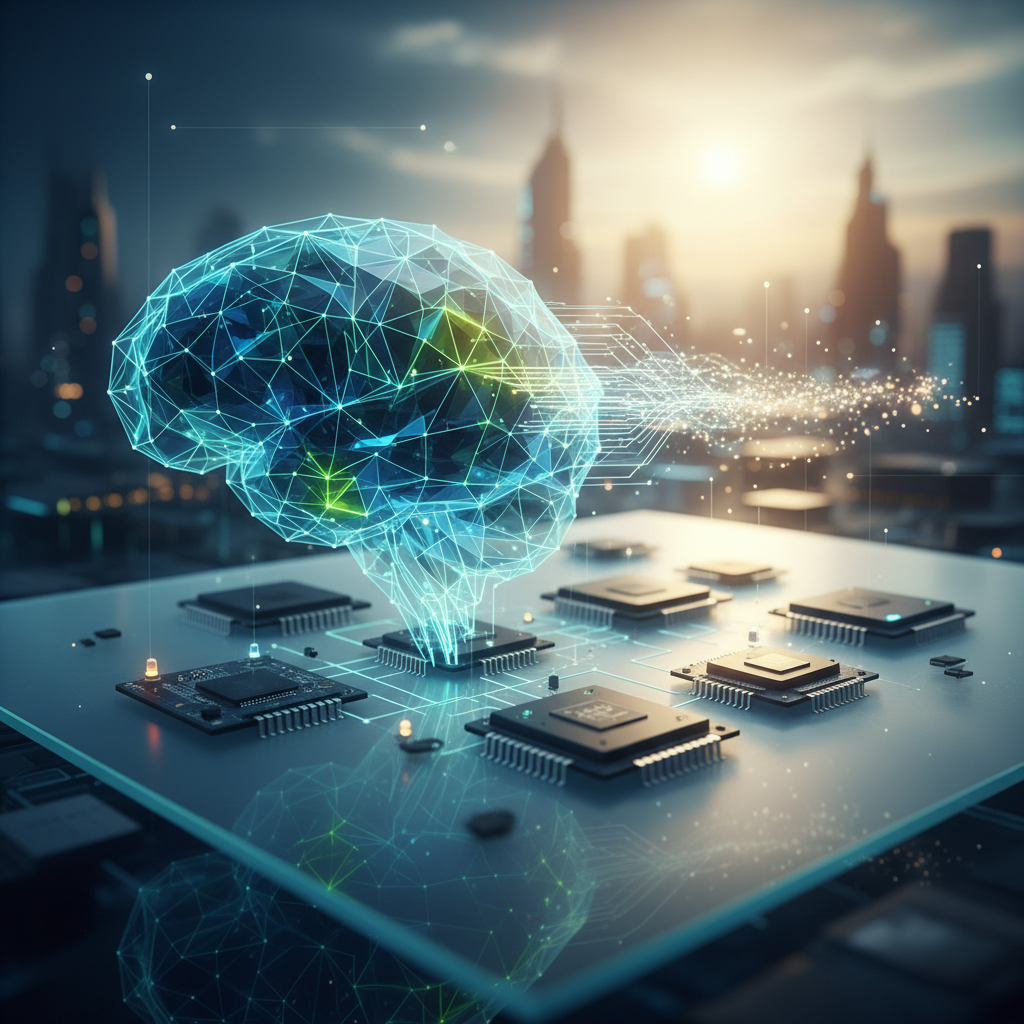
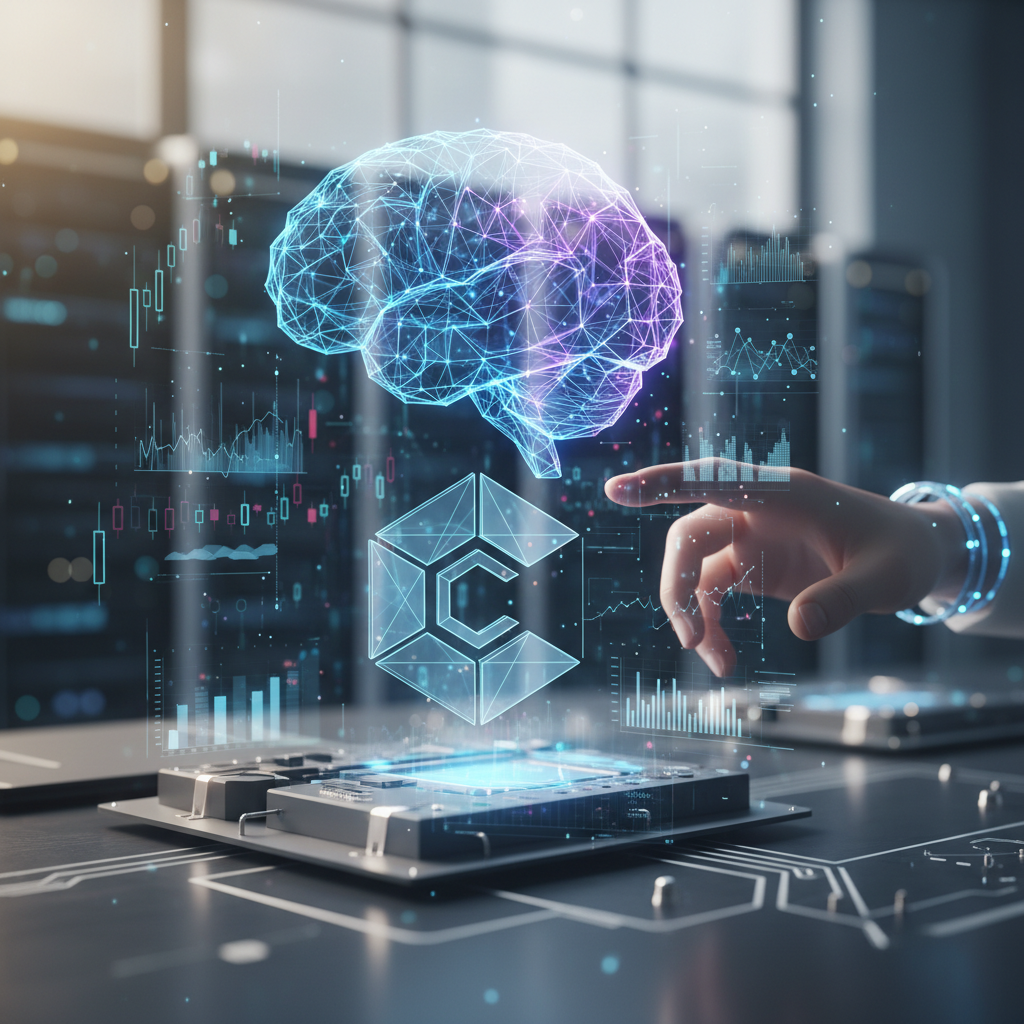
In a groundbreaking development for both the blockchain and artificial intelligence (AI) sectors, Cardano, one of the leading blockchain platforms, has announced a pioneering integration of machine learning (ML) algorithms to enhance predictive capabilities within its ecosystem. This move, unveiled on April 3, 2026, marks a significant step forward in leveraging AI to optimize decentralized systems, offering new possibilities for smart contracts, transaction validation, and network efficiency.
Cardano, known for its research-driven approach and focus on scalability, has long been a frontrunner in blockchain innovation. By embedding machine learning models directly into its framework, the platform aims to revolutionize how data is processed and utilized in decentralized environments. This integration not only showcases the power of AI in transforming traditional blockchain challenges but also sets a new benchmark for hybrid technologies in the industry.
How Machine Learning Enhances Cardano’s Blockchain
At the core of this integration is Cardano’s use of supervised and unsupervised machine learning models to analyze historical transaction data and network patterns. These models are designed to predict potential bottlenecks, optimize transaction fees, and improve the overall user experience. For instance, by forecasting periods of high network congestion, Cardano can dynamically adjust its fee structure to ensure smoother operations—a feature powered by AI-driven insights.
Additionally, machine learning algorithms are being utilized to enhance the security of Cardano’s proof-of-stake (PoS) consensus mechanism, Ouroboros. By identifying anomalous behavior in real-time, the AI system can flag potential threats or malicious activities before they impact the network. This proactive approach to security underscores how AI can complement blockchain’s inherent strengths, creating a more robust and reliable infrastructure.
Another exciting application lies in the realm of decentralized finance (DeFi). Cardano’s AI models can analyze market trends and user behavior to provide more accurate predictions for yield farming, staking rewards, and liquidity provision. This empowers developers and users alike to make data-driven decisions, fostering a smarter and more efficient DeFi ecosystem.
The Technical Backbone: AI Meets Cardano’s Architecture
Cardano’s integration of machine learning is built on its layered architecture, which separates the settlement layer (for transactions) from the computation layer (for smart contracts). This structure provides a unique opportunity to deploy AI models without compromising the core blockchain’s performance. The machine learning algorithms operate primarily within the computation layer, utilizing off-chain data processing to minimize latency while still feeding actionable insights back to the main network.
The AI models are trained on vast datasets of blockchain activity, leveraging Cardano’s partnership with academic institutions and AI research labs. These collaborations ensure that the models adhere to rigorous scientific standards, aligning with Cardano’s commitment to peer-reviewed development. Furthermore, the platform employs federated learning techniques to maintain user privacy, ensuring that sensitive data is never centralized or exposed during the training process.
Why This Matters for the AI and Blockchain Industries
The fusion of machine learning with Cardano’s blockchain represents a significant milestone in the convergence of two transformative technologies. For the AI industry, this development highlights the versatility of machine learning applications beyond traditional domains like natural language processing or computer vision. It demonstrates how AI can solve complex problems in decentralized systems, from resource allocation to security monitoring.
For the blockchain sector, Cardano’s innovation paves the way for smarter, more adaptive networks. As other platforms observe the impact of AI-driven optimizations, we may see a wave of similar integrations across the industry. This could lead to a future where blockchain networks are not only secure and decentralized but also intelligent and predictive—capable of evolving in real-time based on data-driven insights.
Challenges and Future Prospects
Despite the promise of this integration, there are challenges to overcome. Training and maintaining machine learning models on a decentralized network require significant computational resources, which could strain Cardano’s energy-efficient design. Additionally, ensuring the accuracy of predictions in a highly volatile environment like blockchain transactions poses a unique set of difficulties.
However, Cardano’s development team remains optimistic. They are already exploring ways to integrate lightweight AI models and distributed computing solutions to address these concerns. Future updates may include more advanced neural network architectures tailored specifically for blockchain use cases, further enhancing the platform’s capabilities.
Looking ahead, this integration opens the door to numerous possibilities. Imagine a Cardano-powered supply chain system where AI predicts demand fluctuations and automatically adjusts smart contracts to optimize inventory. Or consider a voting platform on Cardano where machine learning detects and mitigates fraudulent activity in real-time. The potential applications are vast, and this is just the beginning.
Industry Reactions and What’s Next
The announcement has sparked enthusiasm across both AI and blockchain communities. Industry experts praise Cardano for pushing the boundaries of what decentralized systems can achieve with AI. “This is a game-changer,” says Dr. Elena Martinez, a researcher in AI and distributed systems. “Cardano is showing us how machine learning can bring intelligence to blockchain, making it not just a ledger but a dynamic, predictive system.”
As Cardano continues to roll out this technology, the platform plans to release open-source tools and documentation for developers to experiment with AI-enhanced smart contracts. This move aligns with Cardano’s mission to foster innovation and collaboration within its ecosystem. Over the coming months, we can expect pilot projects and case studies to emerge, providing deeper insights into the real-world impact of this integration.
In conclusion, Cardano’s integration of machine learning into its blockchain framework is a bold step toward the future of decentralized technology. By harnessing the power of AI, Cardano is not only enhancing its own platform but also setting a precedent for how intelligence and decentralization can coexist. As this technology matures, it will undoubtedly inspire new ideas, applications, and advancements in the ever-evolving world of AI and blockchain.