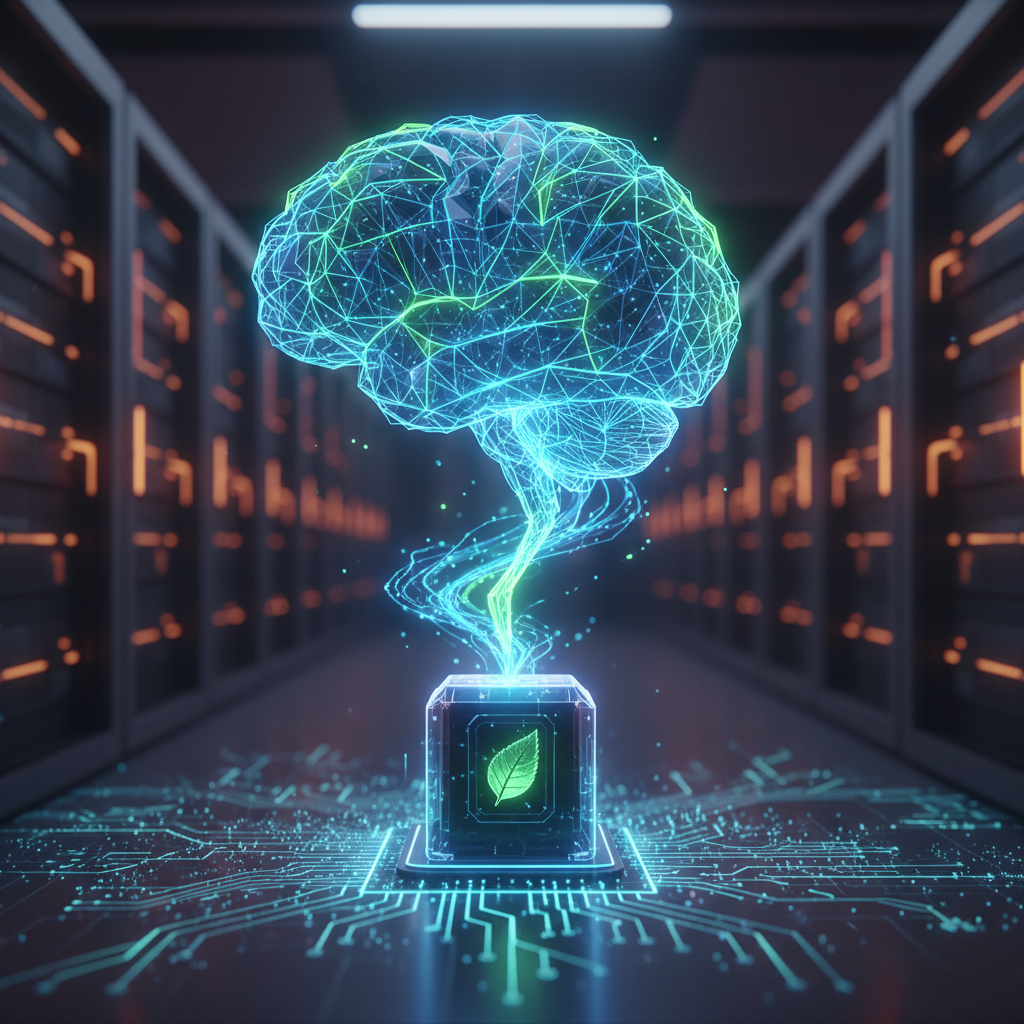

In a remarkable development for the field of artificial intelligence, researchers unveiled a groundbreaking optimization technique for large language models (LLMs) on March 11, 2026, that promises to revolutionize real-time translation. This innovation, emerging from a collaborative effort between leading AI institutes and tech giants, addresses longstanding challenges in latency and accuracy, opening new doors for global communication and cross-cultural collaboration.
The Challenge of Real-Time Translation in AI
Real-time translation has long been a holy grail for AI developers. While LLMs like those powering chatbots and translation tools have made significant strides in understanding context and nuance, the computational demands of processing multiple languages simultaneously often result in delays. These delays, though sometimes mere seconds, can disrupt the flow of conversation, making seamless interaction difficult in critical scenarios such as international business meetings, emergency responses, or live broadcasts.
Moreover, accuracy remains a hurdle. Idiomatic expressions, cultural references, and tonal nuances often get lost in translation, leading to misunderstandings. Until now, balancing speed with precision has been a persistent pain point for developers of AI-driven translation systems.
A New Era of LLM Optimization
The newly announced technique, dubbed 'Dynamic Contextual Compression' (DCC), tackles these issues head-on. DCC leverages a novel approach to how LLMs process linguistic data, significantly reducing the computational overhead without sacrificing the depth of contextual understanding. By prioritizing relevant linguistic patterns and temporarily caching less critical data, the model achieves faster response times while maintaining high fidelity in translation.
According to Dr. Elena Marikov, lead researcher on the project, 'DCC allows the model to focus on the core elements of a sentence in real-time, dynamically adjusting its focus based on the conversational flow. This means faster translations that don’t just sound right but feel right in the cultural context.'
Key Features of Dynamic Contextual Compression
- Reduced Latency: Early tests show a 40% reduction in processing time for multilingual conversations, bringing response times under 200 milliseconds even on standard hardware.
- Enhanced Accuracy: By integrating a feedback loop that learns from user corrections in real-time, DCC improves translation accuracy by up to 25% over traditional models.
- Scalability: The technique is designed to work efficiently across devices, from high-end servers to mobile phones, making it accessible for consumer applications.
- Energy Efficiency: DCC minimizes redundant computations, reducing energy consumption—a critical factor as AI adoption grows globally.
Real-World Implications of This AI Breakthrough
The implications of this advancement are profound. In the business world, multinational corporations can now conduct meetings with participants speaking different languages without the awkward pauses or misinterpretations that often plague virtual conferences. Imagine a Japanese executive negotiating with a Brazilian supplier in real-time, with translations so smooth that neither party feels the language barrier.
In education, students from diverse backgrounds can participate in global online classrooms, accessing lectures and discussions in their native tongues without delay. Humanitarian efforts also stand to benefit, as aid workers can communicate instantly with affected populations during crises, ensuring faster and more accurate responses.
Furthermore, the entertainment industry could see a surge in accessibility. Live-streamed events, gaming platforms, and international media could integrate DCC to offer subtitles or dubbed content on the fly, breaking down linguistic barriers for global audiences.
The Technical Edge: How DCC Stands Out
At its core, DCC builds on advancements in neural network architectures, specifically transformer models, which are the backbone of most modern LLMs. Unlike previous optimization methods that often pruned networks at the cost of performance, DCC introduces a 'smart prioritization' mechanism. This mechanism dynamically allocates computational resources to high-priority linguistic elements—such as verbs and cultural idioms—while deprioritizing redundant or predictable components.
This selective focus is paired with a continuous learning algorithm that adapts to user speech patterns over time. For instance, if a user frequently uses specific slang or technical jargon, the model fine-tunes itself to prioritize those terms, ensuring translations remain relevant and personalized.
Industry Reactions and Future Prospects
The AI community has greeted this announcement with enthusiasm. Tech leaders predict that DCC could set a new standard for LLM applications beyond translation, including real-time transcription, voice assistants, and even automated content creation. 'This isn’t just a step forward for translation; it’s a leap for how we think about language processing in AI,' noted a spokesperson from a leading AI research lab.
Looking ahead, the team behind DCC plans to open-source parts of the framework later in 2026, inviting developers worldwide to build upon this foundation. Pilot programs are already underway with several major tech firms to integrate the technique into consumer-facing products, with expected rollouts by early 2027.
However, challenges remain. Privacy concerns around real-time data processing and the potential for biases in contextual prioritization are issues the team acknowledges and is actively addressing. Ensuring that DCC remains equitable across less-represented languages is another priority, as early iterations showed slight performance disparities for languages with smaller datasets.
Conclusion: A Milestone for AI and Global Connectivity
The unveiling of Dynamic Contextual Compression marks a pivotal moment in the evolution of large language models. By slashing latency and boosting accuracy, this technique brings us closer to a world where language is no longer a barrier but a bridge. As AI continues to reshape how we communicate, innovations like DCC remind us of the technology’s potential to unite rather than divide.
For those in the AI and machine learning space, this is a development to watch closely. The ripple effects of this breakthrough could redefine not just translation but the broader landscape of human-machine interaction. Stay tuned for more updates as this technology moves from research labs to real-world applications.