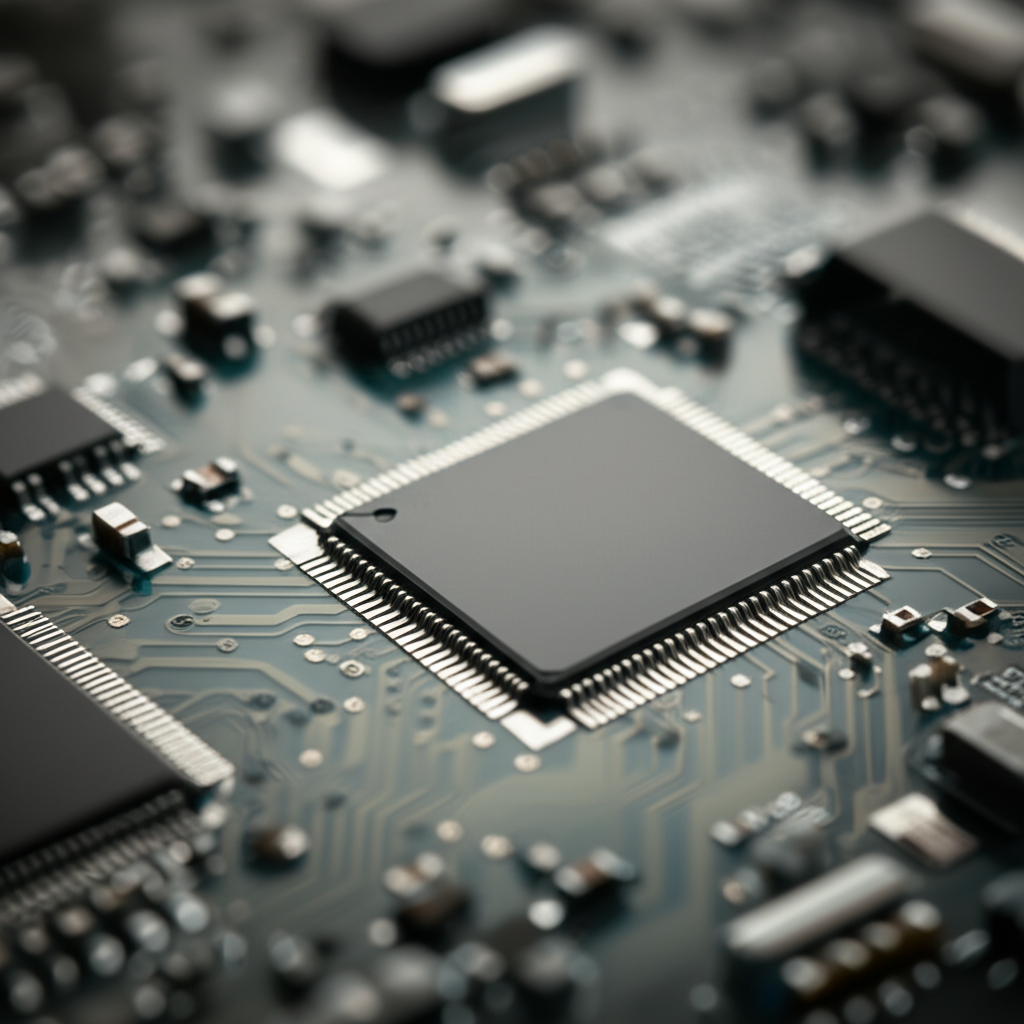
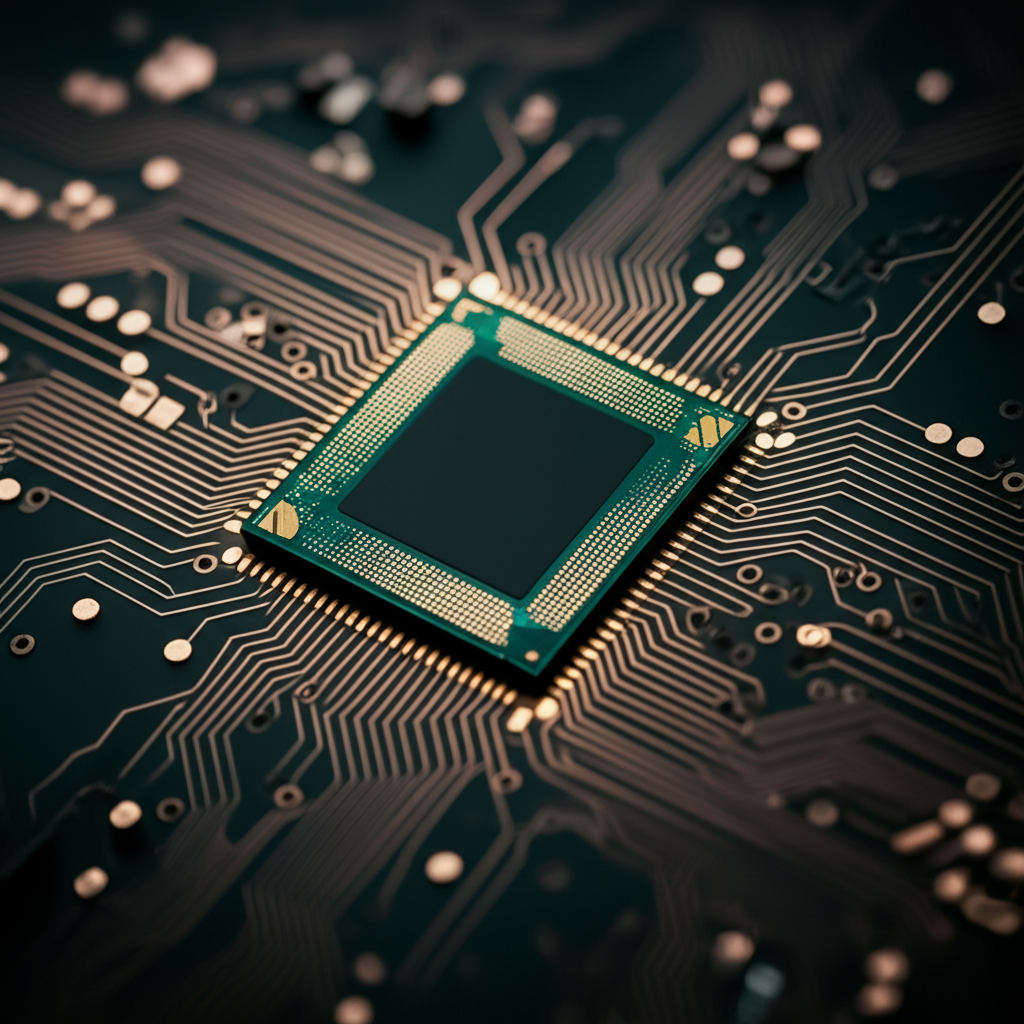
As we move through 2026, the artificial intelligence industry keeps changing quickly, with AI chip development becoming essential for pushing machine learning forward. On February 19, 2026, industry experts and leading tech firms are showing how new AI chips are not just supporting but speeding up the growth of neural networks and large language models (LLMs). This article looks at the latest trends in AI chip technology and how these changes are shaping where AI is headed.
The Rise of Specialized AI Accelerators
One of the biggest trends in 2026 is the growth of specialized AI accelerators. These chips are built specifically for the heavy computing demands of machine learning tasks, like training complex neural networks. Unlike general-purpose processors, AI accelerators optimize for parallel processing, which matters most when handling the massive datasets used in LLMs. Intel and AMD are releasing new chips that cut down latency and use less power, making AI more practical for edge computing applications.
For example, newer accelerator designs include advanced tensor cores that handle matrix operations really well—a basic part of deep learning algorithms. This specialization means faster inference times in real situations, like real-time data analysis in self-driving cars. As machine learning models get bigger and more complex, these chips make sure AI systems can grow without slowing down.
- They use less power, which means mobile AI devices last longer on battery.
- Better parallelism lets them process multiple neural network layers at the same time.
- They work with TensorFlow and PyTorch, making things easier for AI engineers.
Integration of Neuromorphic Computing in AI Chips
Neuromorphic computing is another trend changing AI chip development in 2026. These chips copy how the human brain works, processing information using way less energy than traditional computer designs. This matters most for machine learning apps that need to keep learning and adjusting, like LLMs that update as new data comes in.
Recently, researchers have shown how neuromorphic chips can handle spiking neural networks, which work more like real brains and work better for things like pattern recognition. This technology is making AI models more accurate and opening the door for edge AI, where phones and IoT sensors can do complex math locally without sending data to cloud servers.
The good things about neuromorphic designs show up most clearly in how they handle messy data, which is a constant problem in machine learning. By needing fewer massive data centers, these chips help make AI more sustainable, which matches what the industry wants—greener technology.
- They use very little power, perfect for battery-powered devices running AI.
- They handle errors well, so they work reliably in real-time situations.
- They connect easily with current AI tools, so developers can start using them without a steep learning curve.
Advancements in Memory-Optimized AI Chips
Memory has always held back machine learning, but 2026 brings real progress in memory-optimized AI chips. These chips put high-bandwidth memory right into the processor, cutting down data transfer delays and making the whole system run better. This helps a lot when training big neural networks that need quick access to huge amounts of data.
Top manufacturers are using technologies like High-Bandwidth Memory (HBM) and 3D stacking, which places memory layers on top of the chip for faster data access. Because of this, AI researchers can train models quicker with less hardware, making advanced machine learning available to more people. For LLMs, this means faster adjustments during fine-tuning, so smart apps can be released sooner.
In the AI world, this trend is sparking new work in areas like natural language processing, where tasks like token embedding and sequence modeling need a lot of memory. People in the industry think memory-optimized chips will be key for making AI stronger for business use.
- More data moves through faster, so training complex neural networks takes less time.
- Costs are coming down, so smaller companies and startups can afford powerful AI.
- Better security keeps sensitive data safe while it's being processed, which matters for AI projects focused on privacy.
The Role of Quantum-Integrated AI Chips
While still developing, adding quantum elements to AI chips is a trend getting more attention in 2026. These hybrid chips mix regular computing with quantum bits (qubits) to handle problems that are really hard for regular AI systems. This combination looks most promising for optimization tasks in machine learning, like adjusting hyperparameters in neural networks.
Recent news from the industry talks about quantum computing companies working with AI developers to build chips that use quantum superposition for faster algorithm running. This could change LLMs by letting them handle much bigger datasets and more complex patterns, leading to big advances in areas like predictive analytics.
But problems remain, like keeping qubits stable at room temperature and making quantum integration work at scale. Even with these challenges, the potential for quantum-enhanced AI chips to speed up machine learning research is huge, making 2026 an important year for this technology.
- They could solve optimization problems in neural networks exponentially faster.
- New AI algorithms become possible that couldn't work before.
- Big tech companies are working together to create standard ways for quantum and AI to connect.
Future Implications for the AI Landscape
Looking forward, the trends in AI chip development will reshape the machine learning world. By February 19, 2026, we expect these advances will not only make LLMs and neural networks work better but also push AI in a better direction—models that are clearer about how they work and use less energy. As the industry keeps changing, keeping up with these developments matters a lot for AI professionals and anyone interested in the field.
2026 Update
Just recently, several major chip makers announced new memory-optimized designs that are already being used by leading AI labs. Early benchmarks show training times for large language models have dropped by around 30% compared to last year's hardware—proof that the trends discussed here are moving from research papers into real production systems.
Overall, the changes in AI chips in 2026 mark a big step forward in making machine learning systems more powerful and efficient. From specialized accelerators to quantum integrations, these trends are creating a new phase of AI technology that will change industries and daily life.