In the ever-evolving landscape of artificial intelligence, edge AI has emerged as a pivotal force, enabling devices to process data on-site rather than relying on distant cloud servers. As we step into 2026, this technology is not just an enhancement but a revolution, allowing for faster, more efficient, and privacy-focused applications. This article delves into the core mechanisms of edge AI, its integration with machine learning, and how it's reshaping industries that demand instantaneous decision-making.
Understanding Edge AI and Its Foundations in Machine Learning
Edge AI refers to the deployment of AI algorithms directly on edge devices, such as smartphones, sensors, and IoT gadgets. This approach minimizes latency and bandwidth usage, which is crucial for applications requiring real-time responses. At its heart, edge AI leverages machine learning models, including neural networks, to analyze data locally. Unlike traditional AI setups that send data to the cloud, edge AI processes information where it's generated, making it ideal for scenarios like autonomous vehicles or wearable health monitors.
Machine learning plays a starring role in edge AI by enabling models to learn from data patterns without constant human intervention. For instance, convolutional neural networks (CNNs) are commonly used for image recognition tasks on edge devices. These networks have been optimized through techniques like model quantization and pruning, allowing them to run efficiently on hardware with limited resources. As AI researchers continue to innovate, we're seeing more sophisticated algorithms that adapt in real-time, further enhancing the capabilities of edge AI systems.
The Technological Building Blocks: Neural Networks and Beyond
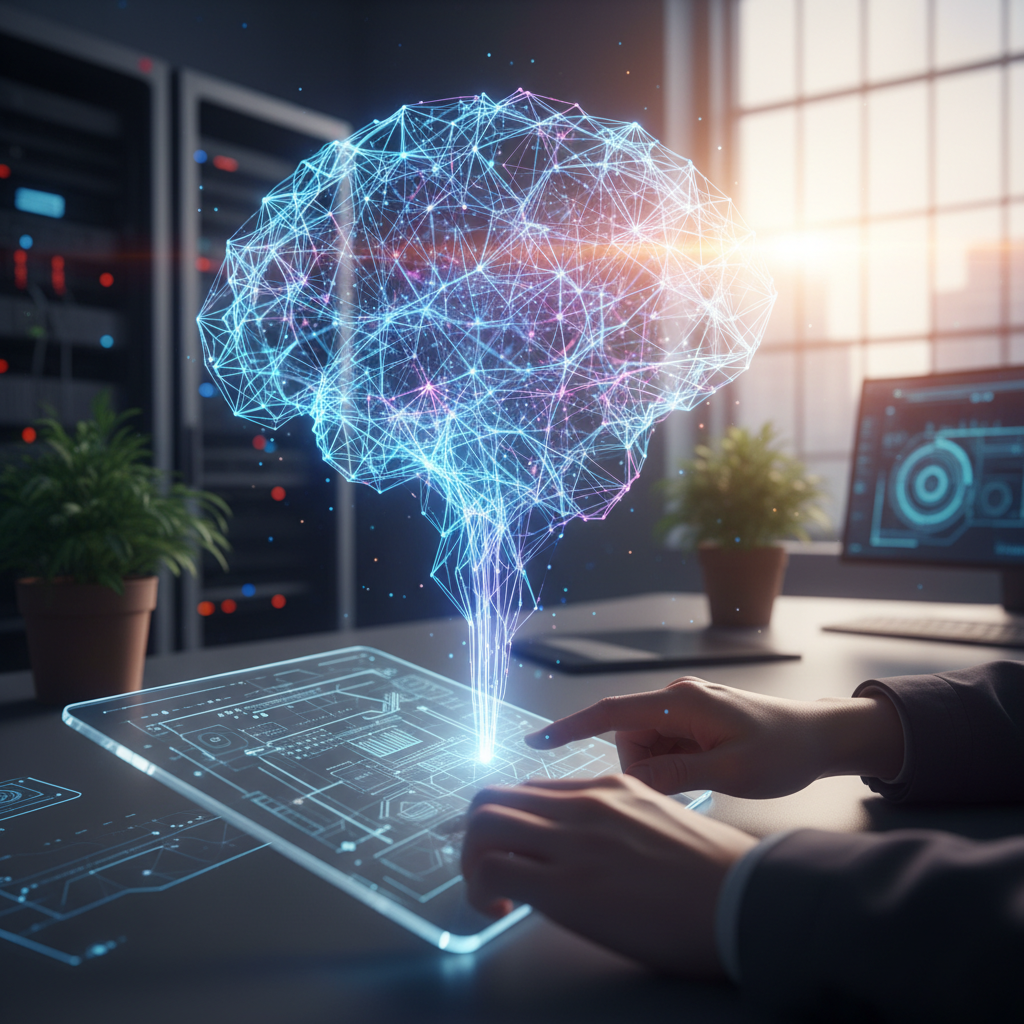
Neural networks form the backbone of many edge AI applications. These complex structures, inspired by the human brain, consist of layers of interconnected nodes that process data to identify patterns. In edge AI, lightweight versions of these networks are employed to ensure they can operate on devices with constrained power and memory. Recent developments have focused on creating hybrid models that combine the strengths of various neural network architectures, such as recurrent neural networks (RNNs) for sequential data processing and transformers for handling vast datasets efficiently.
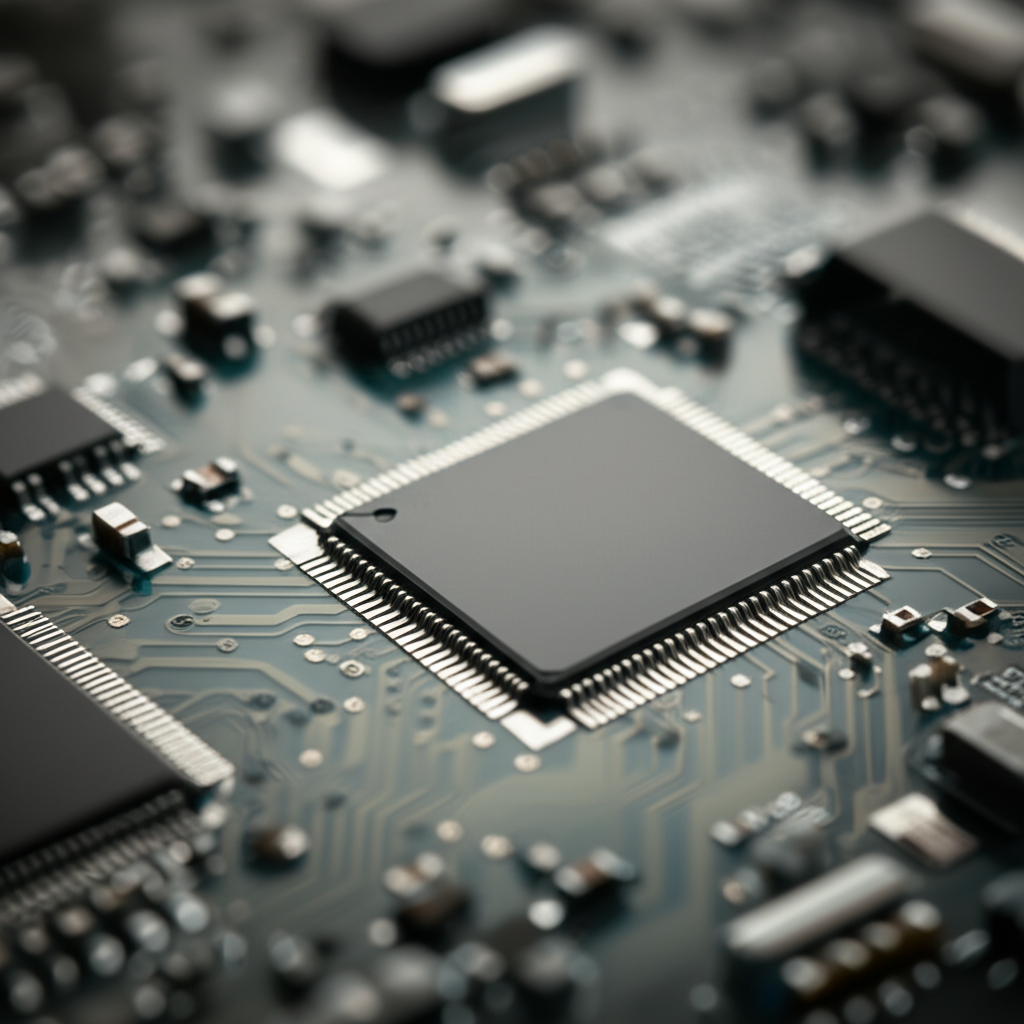
One exciting area is the use of federated learning, where multiple edge devices collaborate to train a shared model without exchanging raw data. This not only preserves user privacy but also accelerates learning processes. In 2026, we're witnessing an influx of AI chips specifically designed for edge computing, which integrate hardware accelerators to speed up neural network operations. These advancements are making edge AI more accessible and powerful, paving the way for widespread adoption.
Applications of Edge AI in Various Industries
The versatility of edge AI is evident in its applications across multiple sectors. In healthcare, for example, edge AI powers wearable devices that monitor vital signs and detect anomalies in real-time, potentially saving lives by alerting users or medical professionals instantly. Machine learning algorithms analyze data from sensors to predict health issues before they escalate, demonstrating the technology's life-saving potential.
- Autonomous Systems: In transportation, edge AI enables vehicles to make split-second decisions by processing sensor data on-board, reducing reliance on cloud connectivity and improving safety.
- Smart Manufacturing: Factories use edge AI for predictive maintenance, where machine learning models analyze equipment data to foresee failures, minimizing downtime and costs.
- Retail and Security: Edge AI enhances security systems by enabling facial recognition and anomaly detection directly at the source, ensuring quick responses to potential threats.
- Agriculture: Drones equipped with edge AI can analyze crop health in real-time, using computer vision techniques to optimize irrigation and harvesting processes.
These applications highlight how edge AI, powered by machine learning, is not just theoretical but practically transforming operations across industries. The ability to process data locally reduces the risks associated with data transmission, such as breaches or delays, making it a cornerstone of modern AI infrastructure.
Challenges and Solutions in Implementing Edge AI
Despite its benefits, implementing edge AI comes with challenges. One major hurdle is the resource limitations of edge devices, which often have less processing power than cloud servers. To counter this, developers are employing techniques like model compression, where neural networks are simplified without sacrificing accuracy. Another challenge is ensuring data privacy and security, as edge AI handles sensitive information on-device. Solutions include advanced encryption methods and secure enclaves within hardware.
Interoperability is also key; edge AI systems must work seamlessly with existing infrastructures. Standardization efforts by AI organizations are underway to create unified frameworks, allowing for easier integration. As machine learning evolves, we're seeing the development of autoML tools that automate the creation and deployment of edge AI models, making it easier for non-experts to leverage this technology.
The Future of Edge AI: Trends and Predictions for 2026 and Beyond
Looking ahead, the future of edge AI is bright, with ongoing innovations poised to expand its capabilities. In 2026, we anticipate greater integration with 5G and emerging 6G networks, which will provide the high-speed connectivity needed for hybrid edge-cloud systems. This convergence will allow for more complex machine learning tasks to be distributed intelligently between edge devices and the cloud.
Moreover, the rise of quantum-inspired machine learning could revolutionize edge AI by enabling faster computations for neural networks. Researchers are exploring how quantum algorithms might optimize edge AI models, potentially leading to breakthroughs in areas like natural language processing on devices. As AI ethics gain prominence, edge AI will play a role in ensuring transparent and fair decision-making at the edge.
Industry leaders are investing heavily in edge AI, with collaborations between tech giants and startups fostering innovation. This ecosystem is driving the creation of more robust, energy-efficient AI solutions that align with global sustainability goals for technology, albeit focused on efficiency rather than broader environmental impacts.
Conclusion: Embracing the Edge AI Revolution
Edge AI represents a significant leap in artificial intelligence, merging the power of machine learning with the immediacy of on-device processing. As we navigate 2026, its influence will continue to grow, offering solutions that are not only faster and more secure but also more adaptable to the needs of a connected world. By staying at the forefront of these developments, businesses and individuals can harness the full potential of edge AI to drive innovation and efficiency in their respective fields.
The journey of edge AI is just beginning, and with ongoing advancements in neural networks and machine learning, the possibilities are endless. Whether it's enhancing everyday devices or powering critical infrastructure, edge AI is set to redefine how we interact with technology in the years to come.