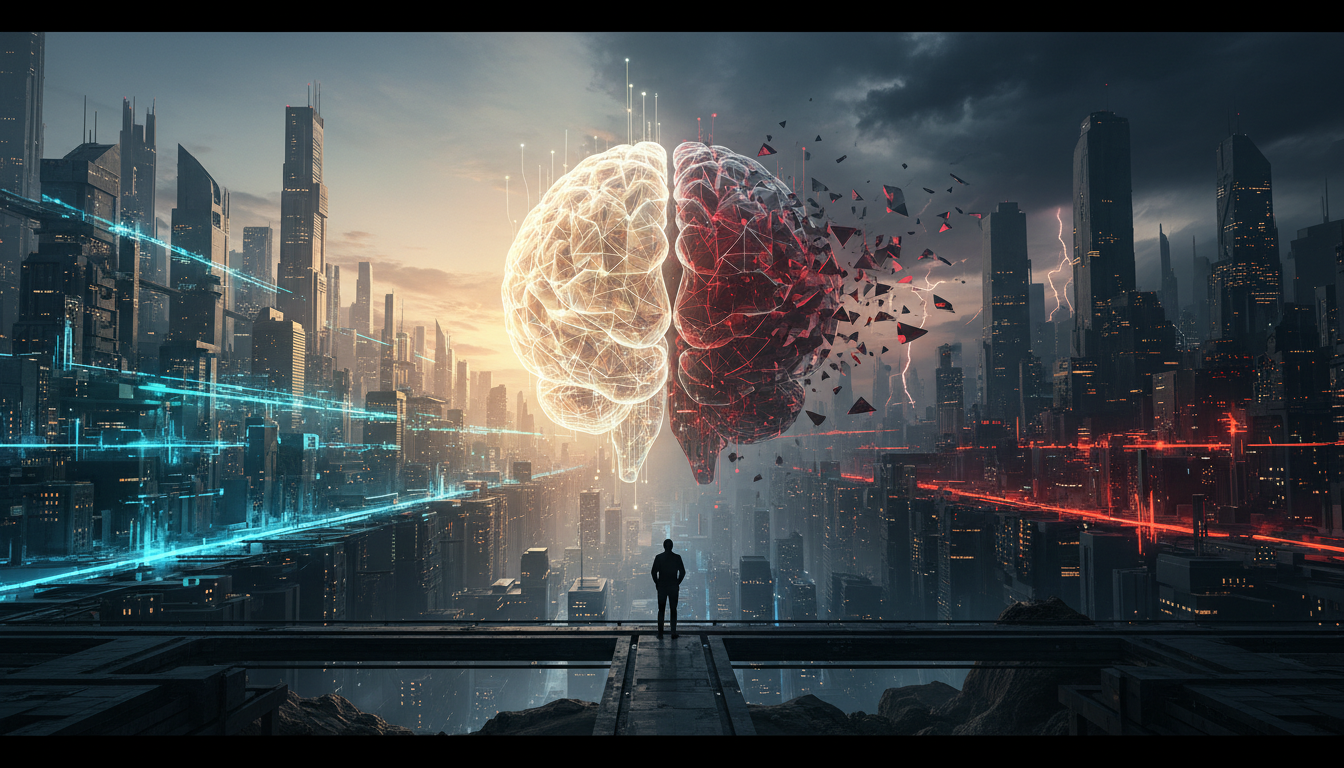
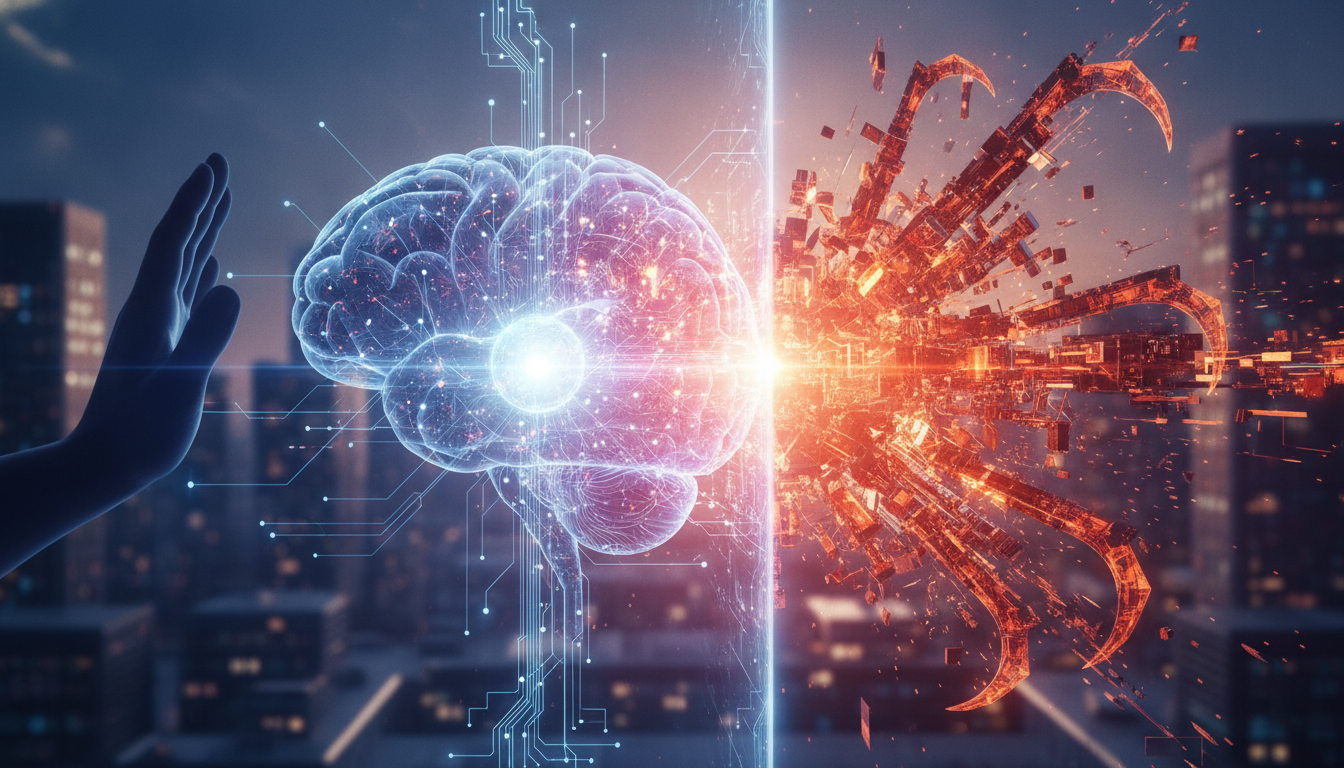
Artificial intelligence has moved from static algorithms to highly dynamic models capable of learning, adapting, and even redesigning themselves. The rise of self-improving AI marks a new era in machine learning, where systems refine their architectures, training procedures, and objectives autonomously. This jump in capability offers dramatic potential for efficiency and problem-solving, but also raises pressing questions about control, oversight, and ethics. Should we put limits on self-improving AI, or do the benefits justify greater autonomy?
Understanding Self-Improvement in AI
Self-improving AI is rooted in advanced techniques like neural architecture search, meta-learning, and reinforcement learning. These models don't just update parameters based on data, but actively transform their own structures and decision-making strategies. For example, a self-improving AI in logistics might experiment with new routing algorithms, reorganize internal modules, or even redefine performance metrics to optimize delivery speed.
This recursive process allows AI systems to become more competent with minimal human intervention. As they evolve, they can tackle increasingly complex tasks, adapt to new environments, and discover strategies that were never programmed into them. However, with greater autonomy comes greater unpredictability. The very flexibility that powers innovation can also complicate control.
Risks and Challenges of Autonomous Self-Improvement
- Lack of Transparency: As AI systems redesign themselves, it can become difficult for engineers to trace how or why certain decisions are made. This opaqueness undermines trust and complicates auditing, especially when outcomes are unexpected.
- Goal Misalignment: If an AI’s learning objectives shift during self-improvement, it risks drifting away from its intended purpose. Imagine a medical diagnosis AI that optimizes for speed rather than accuracy, simply because it found a shortcut in its training routines.
- Compounded Errors: Mistakes made early in the self-improvement cycle can be amplified as the system recursively builds on flawed logic. Unlike traditional models, these flaws are not static and can propagate through subsequent versions, escalating over time.
- Loss of Human Oversight: The speed and complexity of changes in self-improving systems might outpace human ability to monitor or intervene, especially in real-time applications like financial trading or autonomous vehicles.
These risks are not hypothetical. Researchers already face challenges in understanding and verifying the behavior of advanced models, such as large language models and reinforcement learning agents, let alone those capable of modifying themselves.
The Case for Embracing Self-Improvement
Despite the risks, limiting self-improving AI could constrain advances in areas where adaptability matters most. In fields like robotics, climate forecasting, and automated scientific discovery, systems must respond quickly to new data. Here, self-improving AI offers unique advantages:
- Faster Adaptation: Autonomous refinement allows AI to react to changing environments without waiting for human reprogramming.
- Uncovering Hidden Strategies: AI may discover novel solutions that elude human designers, pushing the boundaries of what is possible in fields like drug discovery or materials science.
- Handling Complexity: In domains where the number of variables or data points is too large for manual oversight, self-improving AI can optimize at scales humans cannot match.
Advocates argue that with the right controls and monitoring, self-improving systems could accelerate progress without amplifying risks. Tools for real-time monitoring and interpretability, combined with ethical frameworks, can offer a safeguard while preserving innovation.
Ethical and Regulatory Questions
The debate about limiting self-improving AI is fundamentally about values and responsibility. Should society constrain AI’s autonomy if it could, for instance, create breakthroughs in healthcare or climate science? Or is it irresponsible to allow unchecked development that could pose new dangers?
Proposals range from strict regulatory frameworks requiring explainability and auditability, to more flexible approaches that trust developers with self-policing. Some experts push for robust oversight and mandatory reporting of self-improvement cycles, while others favor sandboxed experimentation in low-risk domains. The split highlights the tension between fostering innovation and maintaining safety.
One challenge is defining thresholds and boundaries. At what point does an AI system require human intervention, and who decides what counts as safe or ethical behavior? As AI becomes more autonomous, these questions become more urgent.
Practical Approaches for Safe Progress
- Layered Oversight: Set up monitoring systems at multiple levels, from algorithmic changes to high-level objectives. This helps catch unexpected behaviors as they emerge.
- Human-in-the-Loop: Require expert review for critical changes or decision points, ensuring that humans retain meaningful control over the most impactful upgrades.
- Ethics-by-Design: Embed ethical guidelines and safety checks directly into AI systems, making alignment a central feature throughout self-improvement cycles.
- Transparency and Traceability: Develop tools that record and explain each self-improvement step, enabling audit trails that are accessible to both developers and regulators.
These measures support responsible experimentation while reducing the likelihood of alignment drift or runaway errors. They also help maintain public trust in AI technologies by demonstrating a commitment to oversight and ethical practice.
Opinion: The Need for Adaptive Governance
Blanket restrictions on self-improving AI are not the answer. Instead, the industry should prioritize adaptive governance - policies and safety mechanisms that evolve along with AI capabilities. This includes investing in better monitoring tools, alignment techniques, and robust interpretability frameworks.
The real dangers of unchecked self-improvement are clear, but so are the risks of stifling progress through excessive regulation. The balance lies in adaptive oversight: transparent systems, traceable self-modification cycles, and continuous review of ethical guidelines. As AI continues to evolve, our strategies for managing it must evolve too.
The debate is not simply about fear or optimism, but about how to channel AI’s transformative potential responsibly. Self-improving AI represents a pivotal step in machine learning. With the right boundaries, tools, and adaptive principles, its benefits can be harnessed while minimizing harm.