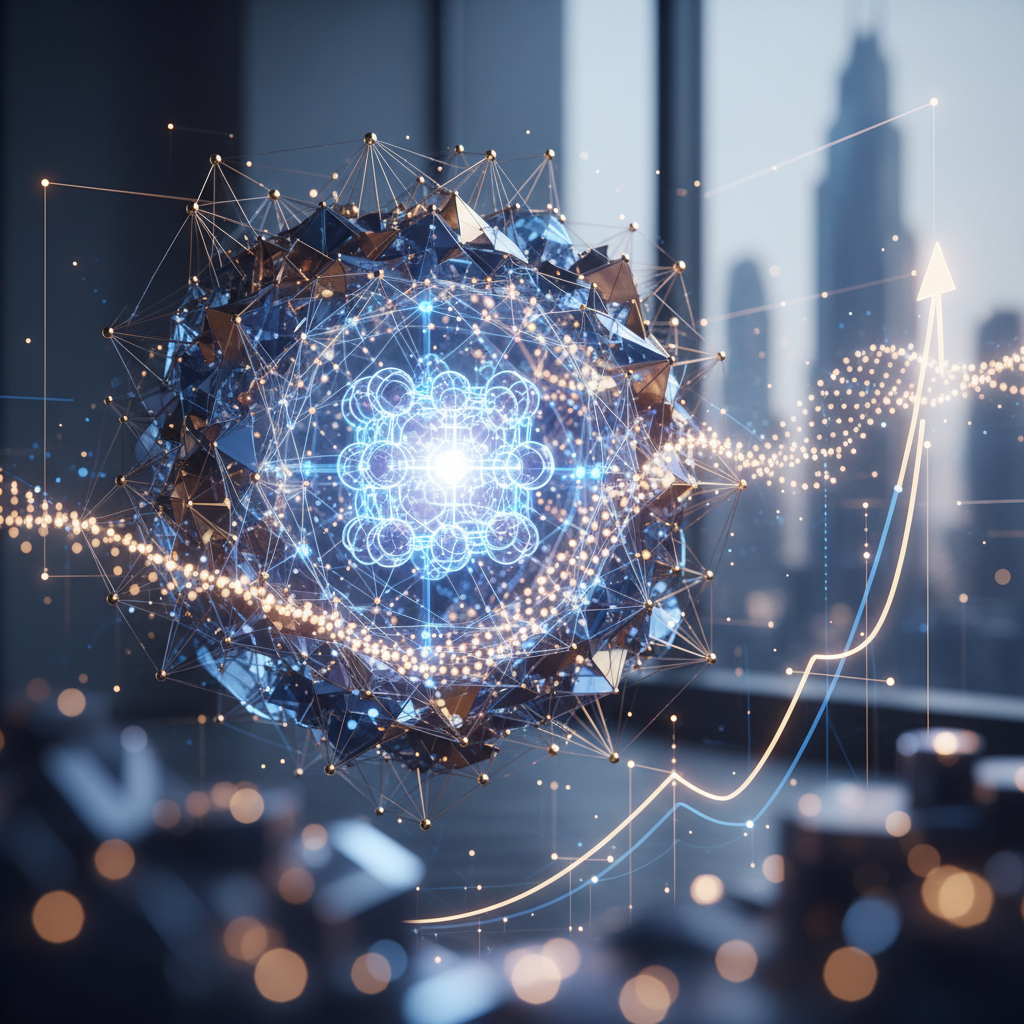

In the ever-evolving landscape of artificial intelligence, 2026 marks a pivotal year for innovative approaches that bridge traditional methods with modern machine learning techniques. One of the most exciting developments is the emergence of hybrid AI models, which combine symbolic reasoning with neural networks to create more robust and intelligent systems. This fusion promises to address limitations in pure machine learning models, such as their struggles with logical inference and explainability, while leveraging the strengths of data-driven learning. As we dive into this breakthrough on February 21, 2026, let's explore how these hybrid systems are reshaping the AI industry.
What Are Hybrid AI Models?
Hybrid AI models represent a sophisticated integration of symbolic AI and machine learning paradigms. Symbolic AI, rooted in the 1950s and 1960s, relies on explicit rules, logic, and symbols to mimic human reasoning. In contrast, machine learning, particularly through neural networks, excels at pattern recognition from vast datasets but often lacks the transparency and generalizability of symbolic methods.
The core idea behind hybrid models is to create a symbiotic relationship where neural networks handle complex data processing, such as image or text analysis, while symbolic components provide structured reasoning and decision-making. For instance, a neural network might identify objects in an image, and a symbolic engine could then apply logical rules to determine context or intent. This combination has been gaining traction in research labs worldwide, with recent prototypes demonstrating significant improvements in accuracy and efficiency.
Recent studies, including those published in leading AI journals, show that hybrid models can reduce errors in tasks requiring both perception and cognition. By 2026, this approach is being adopted by major tech firms to develop AI that not only learns from data but also reasons like a human expert.
The Benefits of Hybrid AI Integration
One of the primary advantages of hybrid AI is enhanced explainability. Traditional neural networks, especially large language models (LLMs), are often criticized for being "black boxes"—their decision-making processes are opaque and difficult to audit. Hybrid models mitigate this by incorporating symbolic logic, allowing developers to trace decisions back to specific rules or data points. This is particularly valuable in regulated industries where AI transparency is mandatory.
Another key benefit is improved generalization. Machine learning models can overfit to training data, performing poorly on unseen scenarios. Symbolic AI adds a layer of abstract reasoning that helps models apply knowledge to novel situations. For example, if a neural network learns to recognize cats from images, a hybrid system could use symbolic rules to infer that a "feline" in a different context is still a cat, even if the image varies greatly.
- Increased Efficiency: Hybrid models often require less data for training because symbolic components can fill in knowledge gaps, reducing computational costs.
- Robustness to Adversarial Attacks: By combining rule-based systems with neural networks, these models are less susceptible to manipulations that fool pure ML systems.
- Scalability: As AI applications grow more complex, hybrid approaches allow for modular design, where components can be updated independently.
In 2026, these benefits are translating into real-world gains, with hybrid AI already showing promise in areas like automated theorem proving and intelligent assistants that can handle ambiguous queries more effectively.
Real-World Applications of Hybrid AI
The practical applications of hybrid AI are vast and transformative within the AI ecosystem. In natural language processing, hybrid models are being used to create more accurate chatbots and virtual assistants that not only understand context through neural networks but also apply logical rules to maintain conversation coherence. This is a step beyond standard LLMs, offering responses that are both creative and logically sound.
In computer vision, hybrid systems are enhancing object detection and scene understanding. For instance, a neural network might detect edges and shapes, while symbolic AI interprets the relationships between objects, such as determining that a car is parked in front of a building. This level of integration is accelerating advancements in autonomous vehicles and robotics, where split-second decisions require both perceptual accuracy and reasoned judgment.
Moreover, in the realm of AI research, hybrid models are facilitating breakthroughs in knowledge representation. By encoding symbolic knowledge graphs into neural architectures, researchers are developing systems that can perform complex inferences, such as predicting outcomes in dynamic environments. As of February 2026, collaborative projects between academia and industry are yielding prototypes that outperform traditional models in benchmarks for reasoning tasks.
One notable example is the use of hybrid AI in optimization problems, where machine learning identifies patterns in data, and symbolic methods refine solutions based on constraints. This has applications in logistics, supply chain management, and even scientific simulations, all while staying firmly within the AI technology domain.
Challenges and Future Prospects
Despite their potential, hybrid AI models face several challenges that researchers are actively addressing. Integrating symbolic and neural components can be technically complex, requiring sophisticated architectures to ensure seamless interaction. Additionally, training these models demands expertise in both domains, which may limit widespread adoption in the short term.
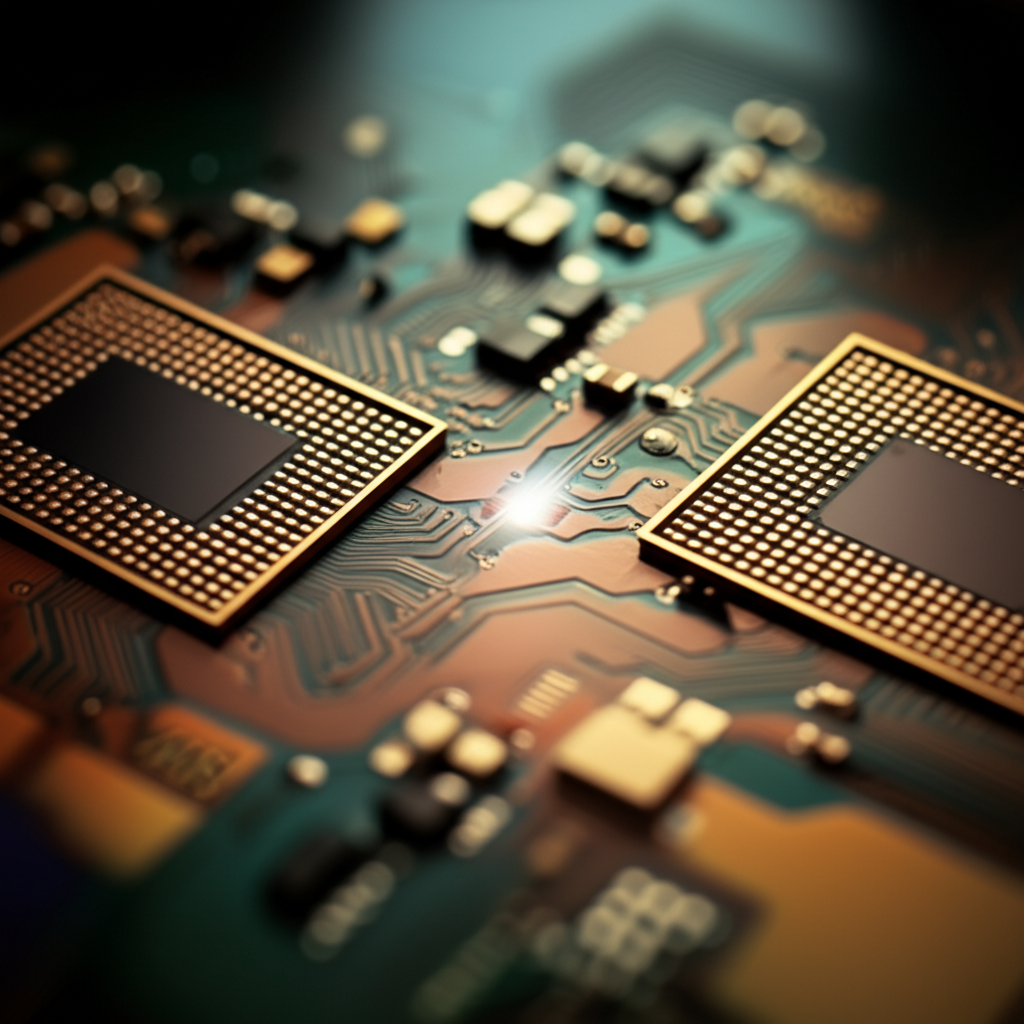
Another hurdle is computational overhead; while hybrid models aim for efficiency, the initial setup can be resource-intensive. However, advancements in hardware, such as specialized AI chips, are helping to alleviate these issues. Looking ahead, the AI community is optimistic that by late 2026, standardized frameworks will emerge, making hybrid AI more accessible.
The future prospects for hybrid AI are bright, with ongoing innovations poised to influence the next generation of machine learning algorithms. As neural networks continue to evolve, incorporating symbolic elements could lead to AI that is not only powerful but also trustworthy and adaptable. Experts predict that by 2027, hybrid models will become a standard in AI development, driving further breakthroughs in areas like multi-agent systems and adaptive learning.
Conclusion: The Dawn of a New AI Era
As we reflect on this hybrid AI breakthrough in 2026, it's clear that the marriage of symbolic reasoning and machine learning is ushering in a new era of artificial intelligence. This innovative approach not only enhances the capabilities of existing AI technologies but also paves the way for more intelligent, reliable, and ethical systems. For AI enthusiasts, researchers, and industry professionals, the possibilities are endless, promising a future where AI can tackle complex problems with unprecedented finesse.
Stay tuned to the AI landscape as these developments unfold, and consider how hybrid models might transform your own work in machine learning and neural networks. The journey of AI innovation is far from over, and 2026 is just the beginning.