In a significant stride forward for artificial intelligence, a groundbreaking large language model (LLM) has been unveiled today, promising to revolutionize the way chatbots interact with users by embedding advanced emotional intelligence capabilities. Announced on March 23, 2026, this development marks a pivotal moment in the AI industry, as researchers and companies aim to bridge the gap between human-like understanding and machine responses.
The Rise of Emotionally Intelligent AI
For years, chatbots and virtual assistants have excelled at providing factual information and completing basic tasks. However, their interactions often felt mechanical, lacking the nuanced understanding of human emotions that is critical for meaningful conversations. This new LLM, developed by a leading AI research consortium, addresses this limitation by integrating emotional context recognition into its core framework.
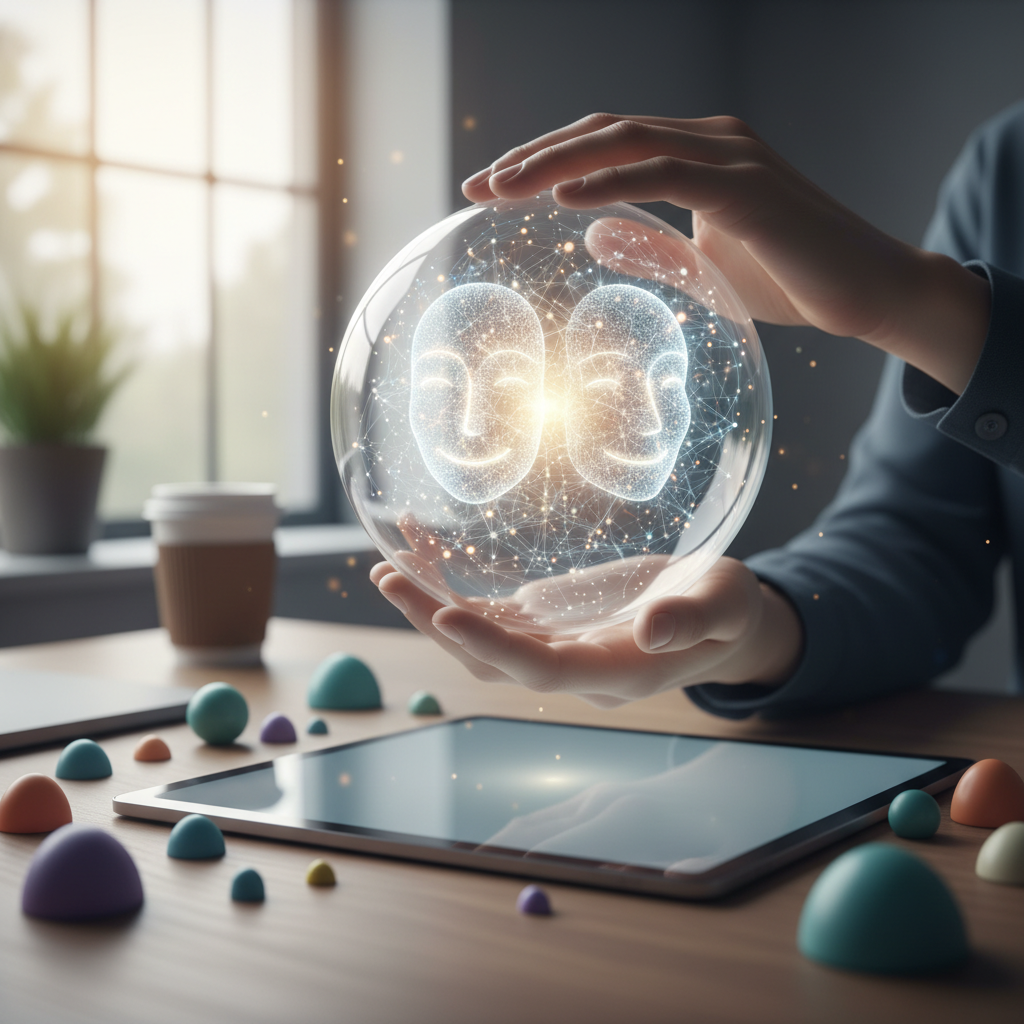
The model, dubbed 'EmoNet-LLM,' has been trained on vast datasets of human conversations, including tone, sentiment, and contextual emotional cues. Unlike traditional language models that prioritize syntax and semantics, EmoNet-LLM goes a step further by analyzing subtle indicators of mood and intent, allowing it to respond with empathy and relevance.
How EmoNet-LLM Works
At its core, EmoNet-LLM leverages a hybrid architecture combining transformer-based neural networks with specialized modules for emotion detection. These modules are fine-tuned to identify patterns associated with emotions such as frustration, joy, sadness, and even sarcasm. By cross-referencing these patterns with the textual content of a conversation, the model can tailor its responses to align with the user’s emotional state.
For instance, if a user expresses frustration over a technical issue, EmoNet-LLM might respond with a calming tone, offering reassurance before diving into a solution. This capability is a game-changer for industries like customer service, mental health support, and education, where emotional sensitivity is paramount.
Additionally, the model incorporates real-time learning, enabling it to adapt to individual user preferences over time. This personalized approach ensures that interactions become more natural and engaging with each conversation.
Applications and Industry Impact
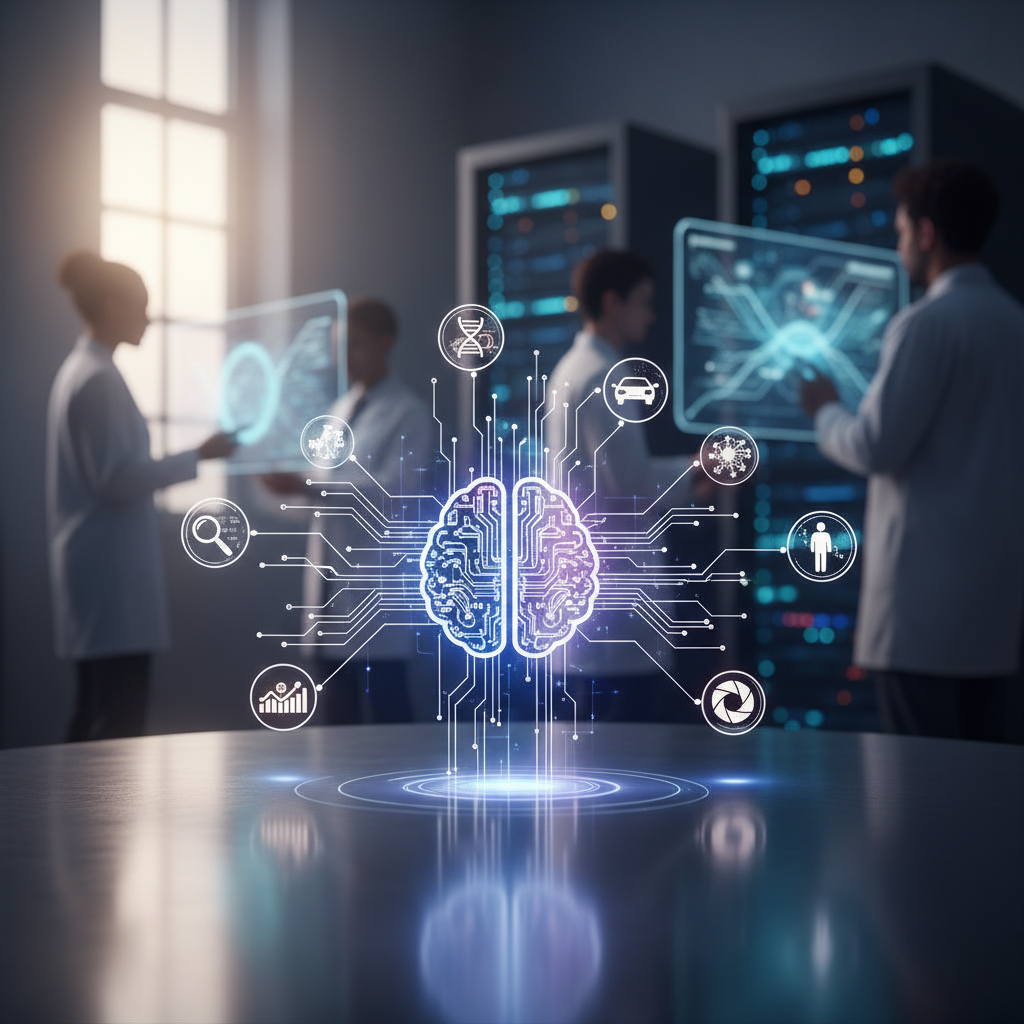
The potential applications of EmoNet-LLM are vast and varied. Here are some key areas where this technology is expected to make an immediate impact:
- Customer Support: Businesses can deploy emotionally intelligent chatbots to handle customer queries with greater empathy, reducing frustration and improving satisfaction rates.
- Mental Health Support: AI-powered therapy bots equipped with EmoNet-LLM can offer more compassionate and context-aware responses, providing preliminary emotional support to users in need.
- Education and Tutoring: Virtual tutors can gauge a student’s emotional state—such as anxiety during a difficult lesson—and adjust their teaching style to provide encouragement and support.
- Social Companionship: For individuals seeking companionship, chatbots powered by this LLM can simulate more authentic and emotionally fulfilling interactions.
The release of EmoNet-LLM is already generating buzz among tech giants and startups alike, with several companies expressing interest in integrating the model into their platforms. Analysts predict that emotionally intelligent AI could redefine user experience standards, setting a new benchmark for digital interactions.
Challenges and Ethical Considerations
While the advancements brought by EmoNet-LLM are exciting, they also raise important ethical questions. One major concern is the potential for misuse, such as manipulating users’ emotions for commercial gain. For example, a chatbot could detect sadness and push comforting but unnecessary purchases as a solution. To address this, the developers have emphasized the importance of transparency and are working on guidelines to ensure ethical deployment.
Another challenge is the risk of over-reliance on AI for emotional support. While EmoNet-LLM can simulate empathy, it lacks the genuine understanding and lived experience of a human. Experts caution that such tools should complement, not replace, human interaction, especially in sensitive areas like mental health.
Privacy is also a critical issue. Since the model relies on analyzing personal conversational data to infer emotions, robust safeguards must be in place to protect user information from misuse or breaches. The development team has committed to adhering to strict data protection standards, but ongoing vigilance will be necessary as the technology scales.
The Future of Emotional AI
The introduction of EmoNet-LLM is a testament to the rapid evolution of AI and machine learning technologies. As researchers continue to refine emotional intelligence algorithms, we can expect even more sophisticated models in the coming years. Some speculate that future iterations could integrate multimodal inputs, such as voice tone and facial expressions, to further enhance emotional accuracy.
For now, EmoNet-LLM represents a bold step toward creating AI that not only understands language but also feels the weight of human emotion behind it. This development could fundamentally change how we interact with machines, making technology a more empathetic partner in our daily lives.
As the AI community celebrates this milestone, the focus now shifts to responsible implementation. Balancing innovation with ethical considerations will be key to ensuring that emotionally intelligent AI serves as a force for good. Stay tuned for more updates on this transformative technology as it rolls out across various sectors in the months ahead.