Introduction to a New Era of Emotional Intelligence in AI
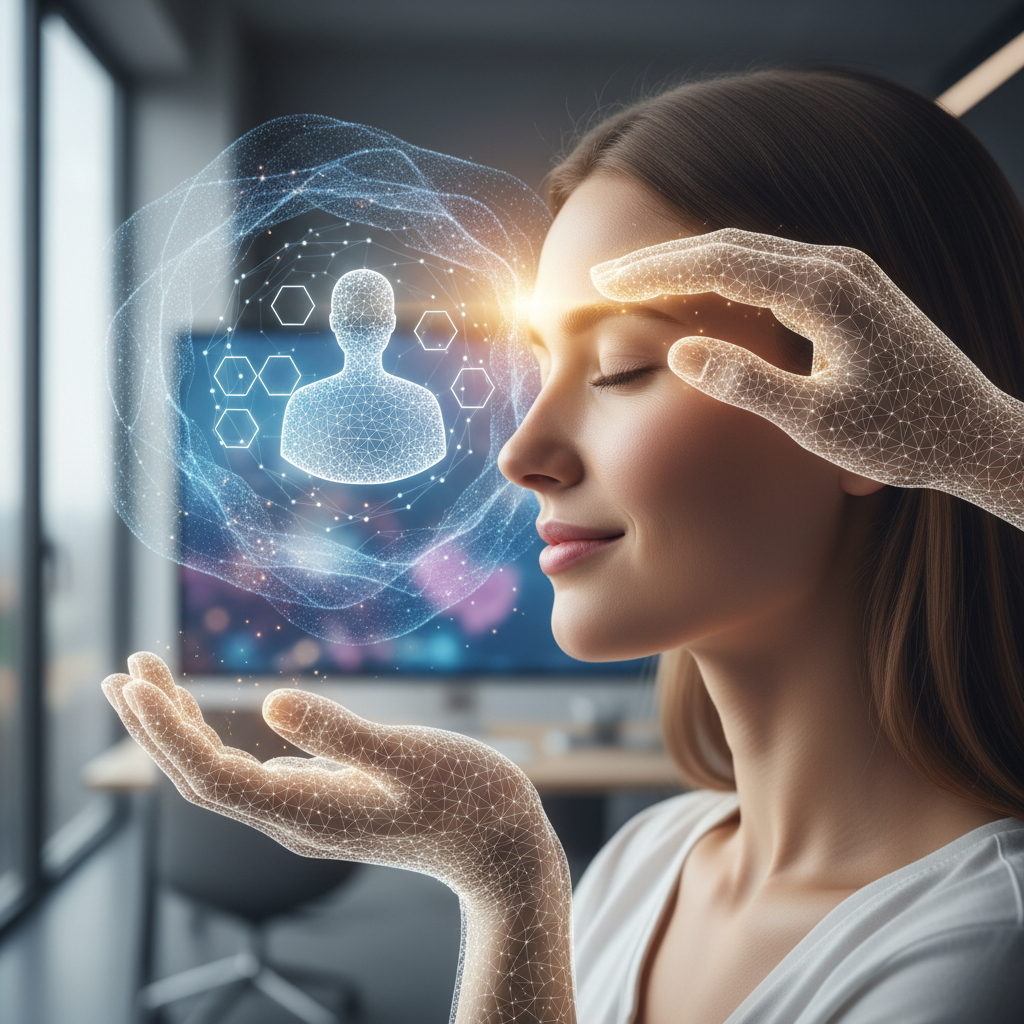
In a significant leap forward for human-AI interaction, researchers have unveiled a groundbreaking artificial intelligence model designed to enhance emotion recognition. Announced on April 18, 2026, this innovative AI system promises to revolutionize how machines understand and respond to human emotions, paving the way for more empathetic and intuitive interactions. This development could have profound implications across industries, from mental health support to customer service and beyond.
The Science Behind Emotion Recognition AI
The new AI model, dubbed 'EmoNet-26,' is a deep learning framework built on advanced neural networks. Unlike previous emotion recognition systems that relied heavily on facial expressions or voice tones, EmoNet-26 integrates multiple data streams, including text sentiment, micro-expressions, vocal inflections, and contextual cues. By leveraging multimodal machine learning techniques, this model achieves an unprecedented accuracy rate of over 92% in identifying complex emotional states such as frustration, subtle sarcasm, or masked anxiety.
At the heart of EmoNet-26 is a sophisticated transformer-based architecture, similar to those used in large language models (LLMs), but fine-tuned for emotional nuance. The system was trained on a diverse dataset comprising millions of human interactions across cultures and languages, ensuring a robust understanding of emotional diversity. This focus on inclusivity addresses a long-standing critique of earlier AI systems that often struggled with cultural biases in emotion interpretation.
Potential Applications of EmoNet-26
The implications of this breakthrough are vast. Here are some key areas where EmoNet-26 could make an immediate impact:
- Mental Health Support: AI-powered chatbots and virtual therapists equipped with EmoNet-26 could provide more personalized and empathetic responses, detecting subtle signs of distress or emotional triggers in real-time.
- Customer Service: Businesses could deploy this technology to better understand customer emotions during interactions, allowing for tailored responses that enhance satisfaction and loyalty.
- Education: Virtual tutors and learning platforms could adapt to a student’s emotional state, offering encouragement or adjusting lesson difficulty based on detected frustration or boredom.
- Gaming and Entertainment: Interactive narratives in video games or virtual reality could dynamically shift based on a player’s emotional responses, creating deeply immersive experiences.
Challenges and Ethical Considerations
While the potential of EmoNet-26 is exciting, it also raises important ethical questions. Emotion recognition technology, by its very nature, treads into deeply personal territory. Privacy concerns are paramount—how will data on emotional states be stored, and who will have access to it? There’s also the risk of misuse, such as manipulative advertising or unauthorized surveillance, where emotional data could be exploited without consent.
Researchers behind EmoNet-26 have emphasized their commitment to ethical AI development. They’ve proposed strict guidelines for data anonymization and user consent, alongside transparency in how the model processes emotional information. However, as this technology rolls out, regulators and industry leaders will need to collaborate to ensure safeguards are in place to protect users.
The Role of Machine Learning in Advancing Emotional AI
The success of EmoNet-26 underscores the critical role of machine learning in pushing the boundaries of AI capabilities. Continuous learning algorithms allow the model to refine its understanding of emotions over time, adapting to new data and evolving social norms. This adaptability is key to maintaining relevance in a world where emotional expression is influenced by cultural shifts and digital communication trends.
Moreover, the integration of reinforcement learning techniques enables EmoNet-26 to learn from feedback during real-world interactions. For instance, if a user corrects the AI’s interpretation of their mood, the system adjusts its parameters to improve future predictions. This feedback loop is a hallmark of modern AI design, ensuring that systems like EmoNet-26 remain dynamic and user-centric.
What’s Next for Emotion Recognition Technology?
Looking ahead, the team behind EmoNet-26 plans to explore integration with wearable devices, such as smartwatches that monitor physiological signals like heart rate variability. Combining these biometrics with existing multimodal data could further enhance the model’s accuracy, offering a holistic view of a person’s emotional state.
Additionally, there’s potential for EmoNet-26 to contribute to broader AI research, particularly in the development of socially intelligent robots. Imagine a future where robotic assistants in hospitals or homes can not only perform tasks but also offer genuine emotional support, sensing when a patient or family member needs comfort.
Conclusion: A Step Toward Truly Empathetic AI
The unveiling of EmoNet-26 marks a pivotal moment in the journey toward empathetic AI. By bridging the gap between human emotion and machine understanding, this technology opens up new possibilities for meaningful human-AI collaboration. However, as we embrace these advancements, we must remain vigilant about the ethical implications and prioritize user trust and privacy.
As AI continues to evolve, breakthroughs like EmoNet-26 remind us of the incredible potential—and responsibility—that comes with creating machines that can truly understand us. What are your thoughts on emotion recognition AI? Could this be the key to more human-centric technology, or does it raise more concerns than solutions? Let us know in the comments below!