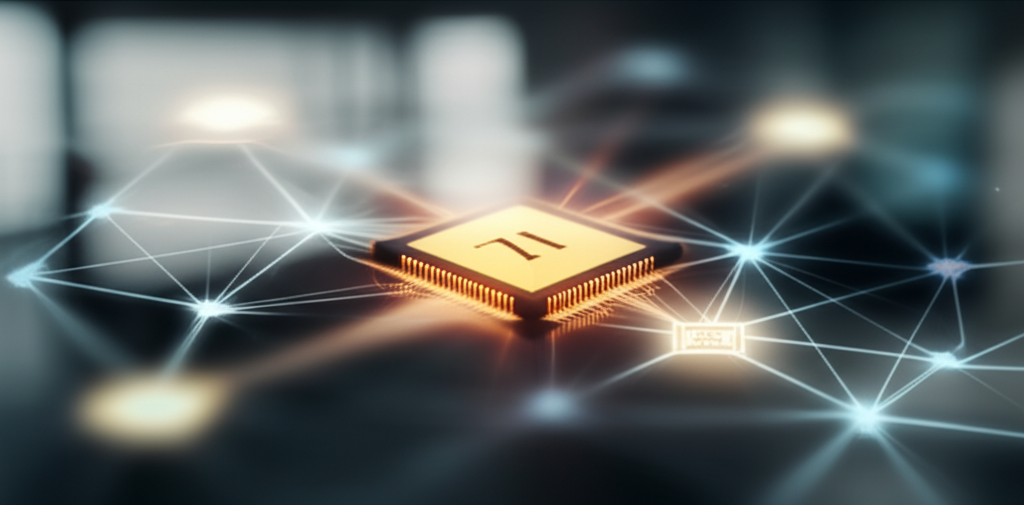
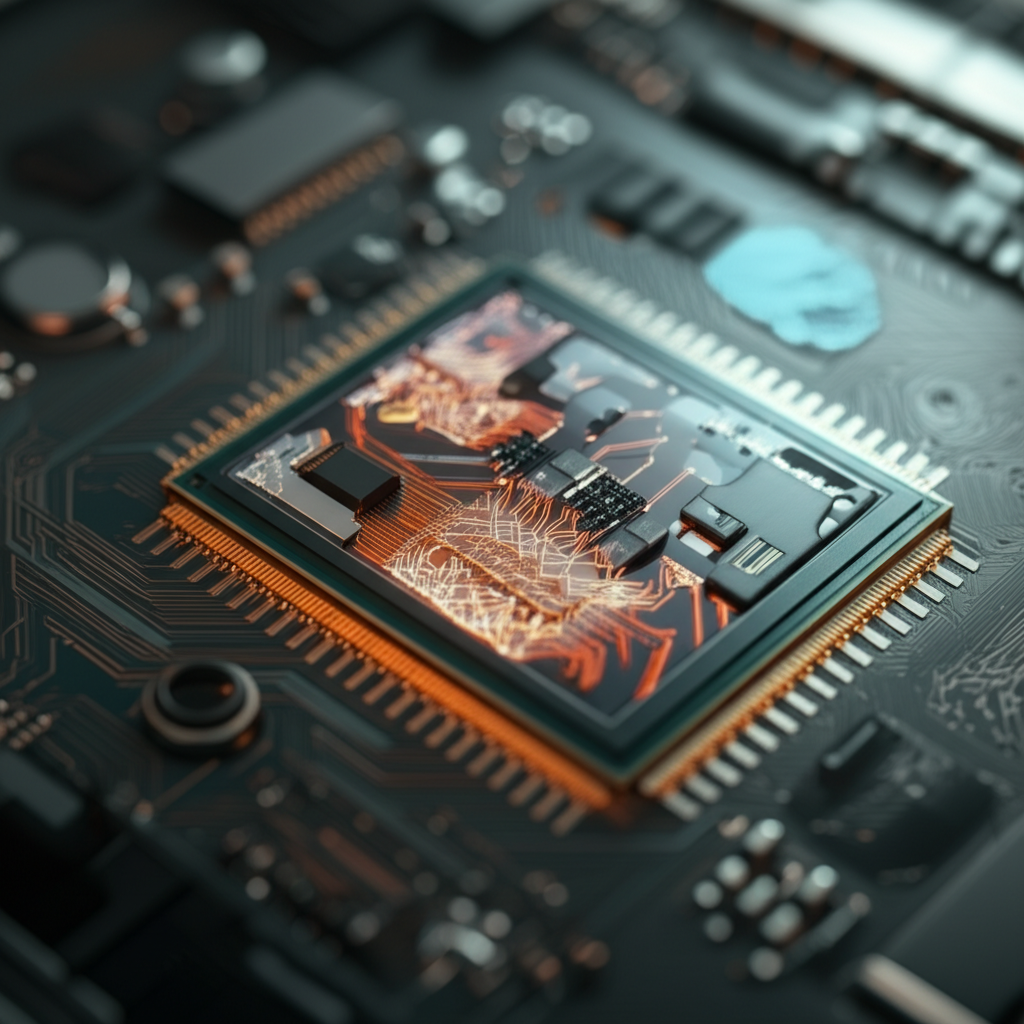
In a groundbreaking development for artificial intelligence, researchers unveiled a new neuromorphic computing model on March 7, 2026, that closely mimics the human brain's neural structure. This innovation promises to revolutionize AI efficiency, potentially transforming industries reliant on real-time data processing, such as autonomous vehicles, robotics, and personalized healthcare.
What Is Neuromorphic Computing, and Why Does It Matter?
Neuromorphic computing is a branch of AI technology inspired by the architecture and functionality of the human brain. Unlike traditional computing systems that process data sequentially using binary logic, neuromorphic systems operate on parallel processing, emulating the brain's network of neurons and synapses. This allows for faster, more energy-efficient computations—key for scaling AI applications in an increasingly data-driven world.
The newly announced model, developed by a collaborative team from leading AI research institutes, introduces a hardware-software hybrid that integrates spiking neural networks (SNNs). These networks replicate how biological neurons communicate through electrical spikes, drastically reducing power consumption compared to conventional deep learning models.
Key Features of the New Neuromorphic Model
- Energy Efficiency: The model consumes up to 90% less energy than traditional GPU-based AI systems, addressing one of the biggest challenges in scaling machine learning applications.
- Real-Time Processing: By mimicking synaptic plasticity—the brain's ability to adapt and learn—the system excels at processing dynamic, real-time data streams, ideal for edge computing devices.
- Scalability: The hybrid design allows seamless integration with existing AI frameworks, making it accessible for industries looking to adopt neuromorphic technology without overhauling infrastructure.
- Learning Adaptability: Unlike static deep learning models, this neuromorphic system can continuously learn and adapt without extensive retraining, mirroring human learning processes.
Implications for AI and Machine Learning Applications
The introduction of this neuromorphic computing model could mark a turning point for AI applications where energy efficiency and speed are critical. For instance, in autonomous vehicles, the ability to process sensor data in real time with minimal power usage could enhance safety and reliability. Similarly, in healthcare, wearable devices powered by neuromorphic chips could monitor patient vitals and adapt to individual needs without draining battery life.
Moreover, this breakthrough addresses a growing concern in the AI industry: the environmental impact of large-scale machine learning models. Training conventional large language models (LLMs) or neural networks often requires massive computational resources, contributing to significant carbon footprints. Neuromorphic systems, with their brain-inspired efficiency, offer a sustainable alternative that could redefine how we approach AI development in the future.
Challenges and Future Outlook
Despite its potential, neuromorphic computing is not without challenges. Current hardware limitations mean that fully realizing brain-like processing at scale remains a complex task. Additionally, while the new model shows promise in specific use cases, it may not yet match the versatility of traditional deep learning systems for tasks like natural language processing or image recognition.
However, researchers are optimistic. Lead scientist Dr. Elena Marquez stated, "This is just the beginning. Our goal is to refine neuromorphic architectures to handle a broader range of AI tasks while maintaining their inherent advantages in efficiency and adaptability. Within the next decade, we envision neuromorphic systems becoming a cornerstone of AI technology."
Industry experts also predict that this development will spur increased investment in neuromorphic hardware, with tech giants likely to explore partnerships or acquisitions to stay ahead in the race for next-gen AI solutions. As the field evolves, we can expect more announcements and breakthroughs that push the boundaries of what AI can achieve.
Why This Matters for the AI Community
For AI enthusiasts, developers, and businesses, this news underscores the rapid pace of innovation in the field. Neuromorphic computing represents a paradigm shift, challenging the dominance of traditional neural network architectures and opening new avenues for research. It also highlights the importance of interdisciplinary collaboration—combining insights from neuroscience, computer science, and engineering—to solve some of AI's most pressing problems.
As we move deeper into 2026, the AI landscape continues to evolve with transformative technologies like this one. Whether you're a machine learning practitioner or simply an observer of tech trends, the rise of neuromorphic computing is a development worth watching. How will it shape the future of AI? Only time will tell, but the potential is undeniably exciting.
Stay tuned for more updates on artificial intelligence and machine learning advancements as we continue to cover the latest news and innovations in this dynamic field.