Introduction to a Groundbreaking Multimodal AI Model
In a significant leap forward for artificial intelligence, researchers unveiled a pioneering multimodal learning model in early 2026 that seamlessly integrates vision and language processing. Announced at a leading AI conference, this innovative framework promises to redefine how machines understand and interact with the world, blending visual data with textual context for unparalleled comprehension. As AI continues to evolve, this breakthrough could have far-reaching implications across industries, from autonomous systems to personalized user experiences.
What Is Multimodal Learning in AI?
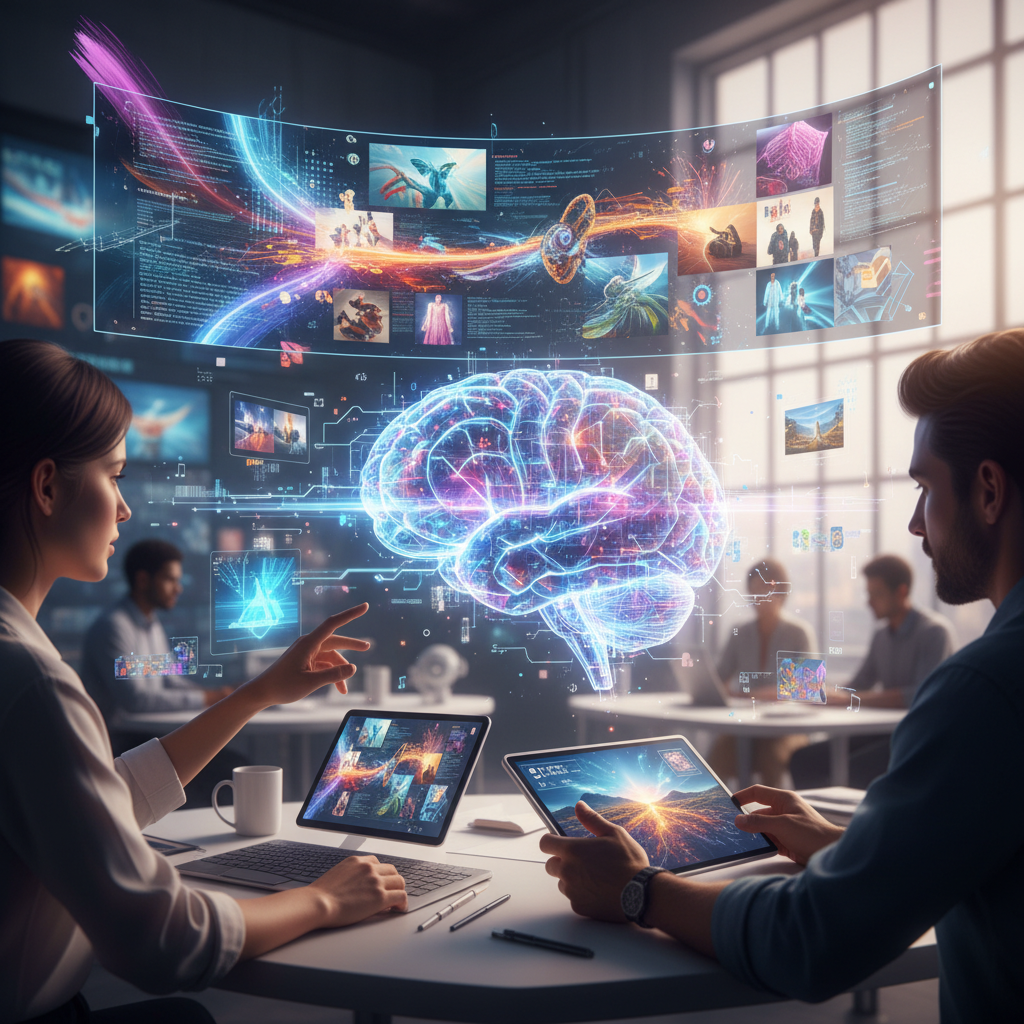
Multimodal learning refers to the ability of AI systems to process and interpret multiple types of data—such as images, text, and audio—simultaneously. Unlike traditional models that focus on a single data type, multimodal AI mimics human cognition by combining inputs to form a holistic understanding. For instance, when humans see a picture of a dog and read the word 'dog,' they instantly connect the visual and textual information. Until now, replicating this seamless integration in machines has been a complex challenge.
The newly introduced model, dubbed 'VisionLingua-2026' by its creators, leverages advanced neural network architectures to bridge the gap between computer vision and natural language processing (NLP). By training on vast datasets that pair images with descriptive text, the model can interpret scenes, answer questions about visual content, and even generate detailed narratives based on what it 'sees.'
How VisionLingua-2026 Works
At the core of VisionLingua-2026 is a hybrid architecture that combines transformer-based language models with convolutional neural networks (CNNs) for image processing. Here’s a breakdown of its key components:
- Visual Encoder: Extracts features from images or videos, identifying objects, shapes, and spatial relationships.
- Language Encoder: Processes textual input using techniques akin to large language models (LLMs), capturing semantic meaning and context.
- Fusion Layer: Integrates visual and linguistic data through cross-attention mechanisms, allowing the model to correlate specific image elements with relevant words or phrases.
- Output Generator: Produces coherent responses, whether generating captions for images or answering complex queries about visual content.
This sophisticated interplay enables VisionLingua-2026 to perform tasks like describing a crowded street scene in natural language or answering nuanced questions such as, 'What is the mood of the person in the red jacket in this photo?'
Applications of Multimodal AI in 2026 and Beyond
The potential applications of this multimodal breakthrough are vast and transformative. Here are some key areas where VisionLingua-2026 is expected to make an impact:
- Enhanced Accessibility Tools: By describing visual content in detail, the model can assist visually impaired users with real-time narration of their surroundings, far surpassing current screen-reading technologies.
- Advanced Content Creation: Marketers and creators can use the model to generate rich, context-aware captions or stories for images and videos, streamlining social media and advertising workflows.
- Improved Human-Robot Interaction: Robots equipped with VisionLingua-2026 can better understand and respond to complex environments, making them more effective in homes, hospitals, or industrial settings.
- Smarter Surveillance Systems: Security systems can analyze video feeds and provide detailed textual summaries of suspicious activities, enhancing threat detection without human intervention.
These applications highlight how multimodal AI can bridge the gap between human perception and machine intelligence, opening doors to more intuitive and versatile technologies.
Challenges and Ethical Considerations
Despite its promise, the development of VisionLingua-2026 is not without hurdles. One major challenge is the risk of bias in training data. If the datasets used to train the model contain skewed or stereotypical associations between images and text, the AI could perpetuate harmful biases in its outputs. Researchers are actively working on mitigation strategies, such as curating diverse datasets and implementing fairness audits.
Additionally, privacy concerns arise with systems that process and interpret visual data in real time. Ensuring that multimodal AI respects user consent and adheres to data protection regulations will be critical as it becomes integrated into everyday applications.
The Future of Multimodal AI
The unveiling of VisionLingua-2026 marks a turning point in AI research, signaling a shift toward more integrated and human-like machine learning models. Experts predict that within the next few years, multimodal systems will become a cornerstone of AI development, influencing everything from education to entertainment. Imagine virtual tutors that can explain diagrams in textbooks or gaming platforms that adapt narratives based on visual cues from players—such innovations are now within reach.
As the AI community continues to refine these models, collaboration between academia, industry, and policymakers will be essential to address ethical challenges and maximize societal benefits. For now, VisionLingua-2026 stands as a testament to the power of combining vision and language, paving the way for machines that not only see and speak but truly understand.
Conclusion
The announcement of VisionLingua-2026 in 2026 is a landmark moment for artificial intelligence, showcasing the potential of multimodal learning to transform how machines interpret the world. By integrating vision and language, this model offers a glimpse into a future where AI can interact with humans in more natural and meaningful ways. As we stand on the cusp of this technological revolution, one thing is clear: the boundaries of machine intelligence are expanding, and the possibilities are endless.