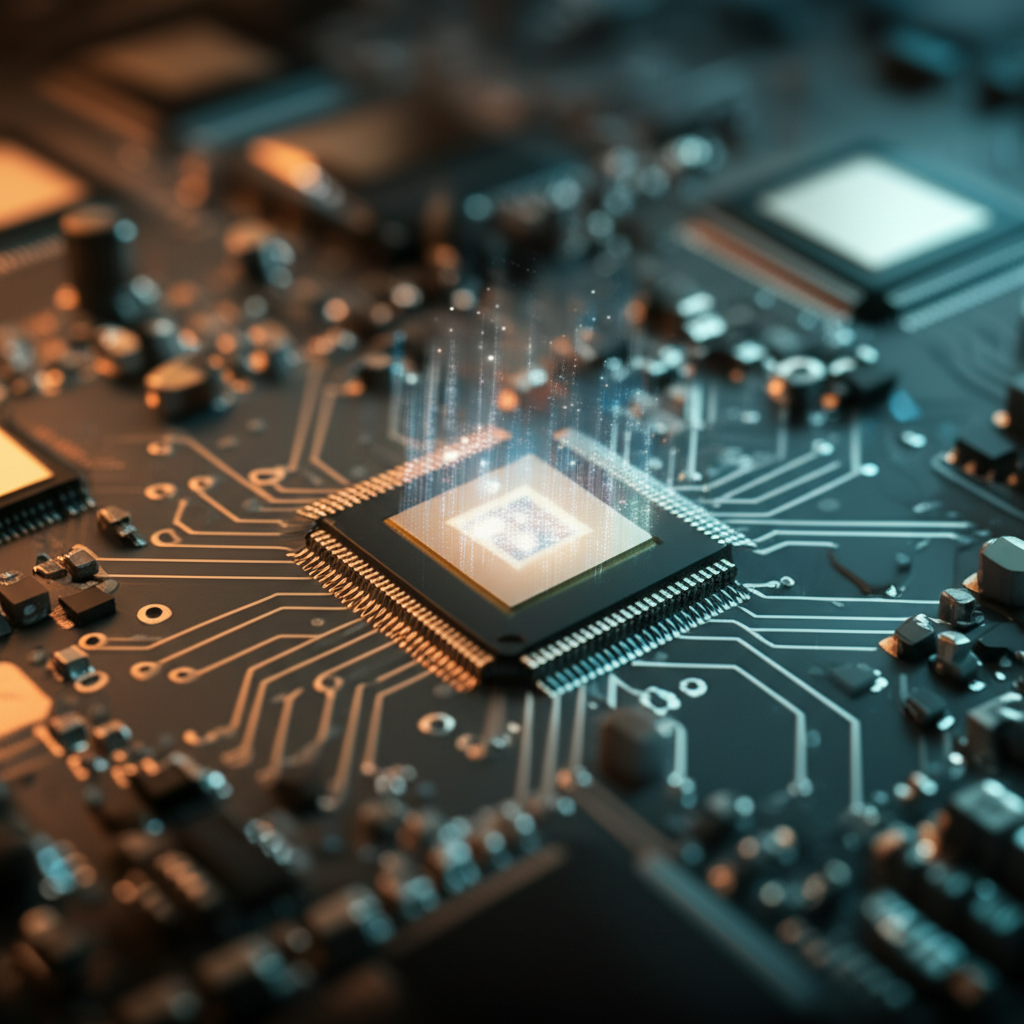
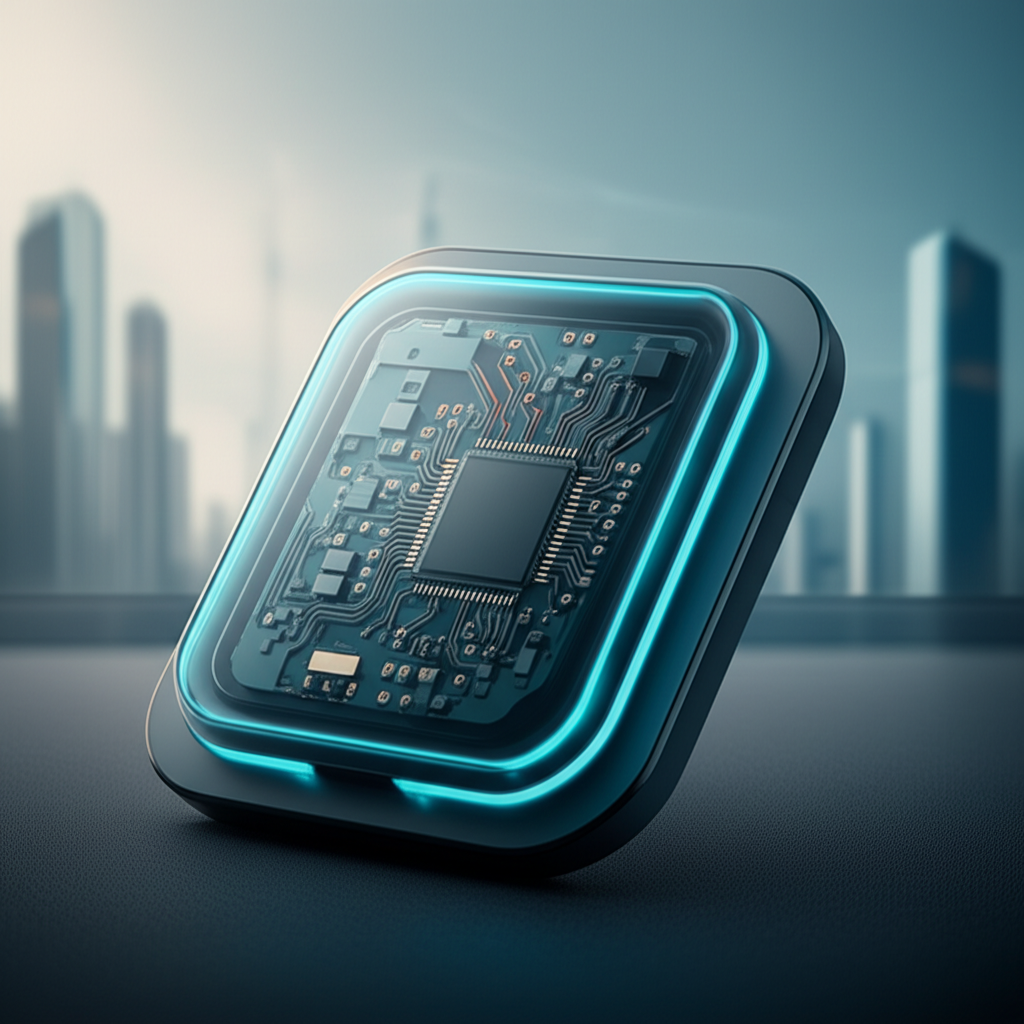
In a groundbreaking development for the Internet of Things (IoT) and artificial intelligence (AI) sectors, a new Edge AI framework was unveiled on March 6, 2026, promising to revolutionize how smart devices process data. This innovation, developed by a leading consortium of AI researchers and tech giants, aims to bring unprecedented intelligence to IoT devices by enabling advanced machine learning (ML) capabilities directly at the edge—without reliance on cloud connectivity.
What Is Edge AI, and Why Does It Matter?
Edge AI refers to the deployment of AI algorithms and models directly on local devices, such as sensors, cameras, or IoT hardware, rather than processing data in centralized cloud servers. This approach significantly reduces latency, minimizes bandwidth usage, and enhances data privacy by keeping sensitive information on-device. With the proliferation of IoT devices—projected to reach over 30 billion by 2030—Edge AI has become a critical area of focus for AI research.
The newly introduced framework, dubbed 'EdgeMind 2026,' tackles longstanding challenges in Edge AI, including limited computational power on small devices and the high energy demands of running complex ML models. By optimizing neural network architectures for low-power environments, EdgeMind 2026 enables real-time decision-making on everything from smart thermostats to industrial sensors.
Key Features of the EdgeMind 2026 Framework
This innovative framework introduces several cutting-edge features that set it apart from existing Edge AI solutions. Here are the highlights:
- Ultra-Efficient Neural Networks: EdgeMind 2026 uses a novel compression technique that reduces the size of deep learning models by up to 80% without sacrificing accuracy, making it feasible to run sophisticated AI on resource-constrained devices.
- Adaptive Learning Capabilities: Unlike static models, this framework allows IoT devices to adapt to new data over time through on-device learning, improving performance without needing cloud updates.
- Enhanced Privacy Protocols: By processing data locally and incorporating federated learning principles, EdgeMind 2026 ensures that user data never leaves the device, addressing growing concerns over data security in IoT ecosystems.
- Energy Optimization: The framework includes a power-aware inference engine that dynamically adjusts computation based on available battery life, extending the operational duration of IoT devices.
Implications for IoT and Beyond
The release of EdgeMind 2026 is poised to have far-reaching implications across multiple industries. In smart homes, for instance, devices like security cameras and voice assistants can now perform complex tasks—such as facial recognition or natural language processing—without internet dependency. This not only improves response times but also ensures functionality during network outages.
In industrial settings, Edge AI can transform predictive maintenance by enabling machinery to detect anomalies in real-time, preventing costly downtimes. Autonomous vehicles, too, stand to benefit, as on-device AI can process sensor data instantly to make split-second decisions, enhancing safety and reliability.
Moreover, the framework’s focus on privacy aligns with increasing regulatory scrutiny over data handling. With laws like the EU’s General Data Protection Regulation (GDPR) and emerging global standards, EdgeMind 2026 offers a future-proof solution for companies looking to balance innovation with compliance.
Collaboration and Open-Source Potential
One of the most exciting aspects of this announcement is the consortium’s commitment to collaboration. Comprising AI leaders from academia and industry giants like Intel and Qualcomm, the group plans to release parts of EdgeMind 2026 as an open-source toolkit later this year. This move is expected to accelerate adoption and spur further innovation in the Edge AI space.
Dr. Elena Rivera, a lead researcher on the project, stated, 'Our goal is to democratize Edge AI. By providing developers with accessible tools, we hope to see a wave of creative applications that push the boundaries of what IoT devices can achieve.' This open-source approach mirrors successful initiatives in other AI domains, such as large language models (LLMs), where community contributions have driven rapid advancements.
Challenges and Future Outlook
Despite its promise, EdgeMind 2026 is not without challenges. Integrating the framework into existing IoT ecosystems may require hardware upgrades for older devices, posing a barrier to widespread adoption. Additionally, while on-device learning is a significant step forward, it raises questions about model drift—where AI performance degrades over time due to changing data patterns—and how updates will be managed without cloud intervention.
Nevertheless, industry analysts are optimistic. 'EdgeMind 2026 represents a pivotal moment for AI at the edge,' noted tech consultant Mark Hensley. 'As 5G networks expand and IoT devices become more ubiquitous, frameworks like this will define the next decade of intelligent systems.'
Looking ahead, the consortium behind EdgeMind 2026 has hinted at future iterations that could integrate with emerging technologies like quantum computing for even greater efficiency. While such developments are years away, they underscore the relentless pace of innovation in AI and ML.
Conclusion: A Smarter Edge for a Connected World
The unveiling of EdgeMind 2026 marks a significant milestone in the evolution of Edge AI, bringing us closer to a world where every device can think and act intelligently on its own. By addressing core challenges of power, privacy, and performance, this framework paves the way for smarter IoT solutions that could transform daily life and industrial operations alike.
As we move further into 2026, the AI community will be watching closely to see how EdgeMind 2026 shapes the landscape of connected devices. For now, this announcement serves as a reminder of AI’s potential to solve real-world problems—right at the edge of innovation.