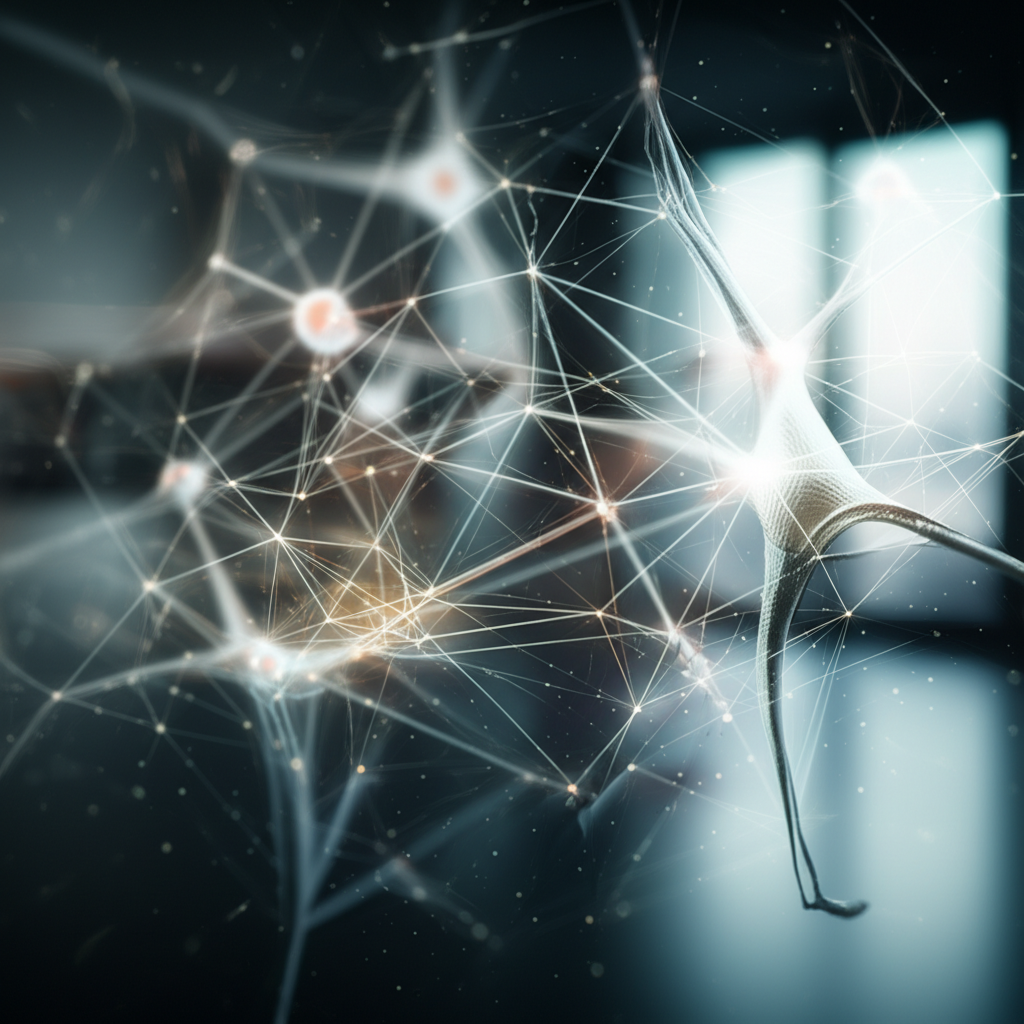

2026 is shaping up to be a turning point for artificial intelligence. On February 16, researchers from several leading AI labs announced major progress in meta-learning, a technique that helps AI systems figure out how to learn better. The implications are significant: machines that can adapt to new tasks with far less data than traditional methods require.
What is Meta-Learning and Why Does It Matter?
Meta-learning, sometimes called "learning to learn," is a method where AI models improve their own learning processes. Traditional machine learning needs huge datasets for each new task. Meta-learning takes a different approach—it lets models draw on past experience to handle new situations faster.
The practical benefit is straightforward: less data, less compute time, fewer resources. Consider a language model that could pick up a new dialect after seeing just a few examples instead of retraining from zero. That's the promise. For companies without massive data infrastructure, this could make AI actually usable.
The Latest Breakthroughs in Meta-Learning
This year's announcements include several notable advances. OpenAI and independent researchers collaborated on something called Adaptive Meta-Optimizers (AMO). The system uses neural networks to adjust learning rates and parameters on the fly during training—essentially, the AI optimizes itself as it goes.
AMO relies on gradient-based techniques where the model learns to predict and refine its own gradients. Early benchmarks show training times dropping by up to 40% compared to standard approaches, without any drop in accuracy across image recognition and natural language tasks.
Another interesting development combines meta-learning with reinforcement learning. AI agents in RL typically learn through trial and error, but adding meta-learning lets them carry knowledge from previous tasks. An AI that learned to navigate a virtual maze could, with minimal extra training, adapt to controlling a physical drone—a genuinely useful crossover.
Real-World Applications
The practical uses are already becoming clear:
- Language models: Models like GPT-style systems could adapt to specialized fields—medical text, legal documents, code—using just a handful of examples rather than months of fine-tuning.
- Neural architecture: Meta-learning can automate hyperparameter selection, cutting down the manual trial-and-error that currently consumes weeks of researcher time.
- Research acceleration: Scientists can test new algorithms faster when the underlying system learns more efficiently.
- Dynamic business environments: Models that adapt on-the-fly work better for applications like fraud detection or demand forecasting where conditions shift constantly.
There's also an ethical angle worth noting. Training on less data means fewer opportunities for models to memorize biased patterns from imbalanced datasets. It's not a complete solution, but it's a meaningful improvement.
Challenges Worth Acknowledging
The hurdles are real. Running meta-learning at scale demands serious computational resources—current hardware often can't handle the extra complexity efficiently. Getting these systems to behave reliably when adapting quickly is also tricky; fast changes can introduce errors that are hard to catch.
Hardware will need to catch up. We're already seeing specialized AI chips emerge that might help, but it's a few years out from mainstream availability.
What Comes Next
The pace of development is accelerating. Google, Meta, and other major players are investing heavily here. My guess is that within 18 months, meta-learning components will be standard in most production AI systems rather than experimental.
The bigger picture is this: we're moving toward AI that doesn't need to be rebuilt from scratch for every new problem. That's a fundamental shift in how we think about building intelligent systems.
2026 Update
Since this article was written, several more labs have replicated the AMO results, and at least two startups have already launched commercial products incorporating meta-learning for enterprise customers. The 40% training speedup figure has held up in independent testing, which is encouraging.